Throughout the semester, BCL students investigate complex challenges in our city. In BCL10, students explored homelessness, cultural erasure, violence, transportation inequity, and the climate crisis. It’s easy to find real-world problems. Unfortunately for society (and fortunately, for place-based educators), they are everywhere. All of these issues are important to learn about–and an empowering way to apply the BCL themes, of civic engagement, social justice, sustainability, and community, and place – but the tone can become gloomy. After all, these problems are complex, and seemingly intractable.
This semester’s artist-in-residence, Christine Tyler Hill, is keenly aware of people’s tendency to focus on problems. For Christine, this invites a mindset shift. In her project proposal, she wrote:
Humans are hardwired to identify problems and threats. In a time of never ending “unprecedented times,” it feels like threats abound.
When people feel overwhelmed and hopeless, they are likely to withdraw, disengage, and become inactive. They ask, “What’s even the point?”
And yet, around the world and here in Burlington, there are creative projects and people successfully cultivating communities of care, feeding people, stewarding land, revitalizing forests and agricultural lands, mitigating climate change… the list goes on.
Why don’t we hear about what’s working?
What we need now–more than ever–is an engaged citizenry of inspired possibilitarians looking for and shining a light on the things that are working, so that ultimately these things can be cloned.
– Christine Tyler Hill
Christine’s theory of change is simple, but eye-opening. If you want more of something good, you need to build on what’s good.
Our focus, in times of change, goes instinctively to the problems at hand. What’s broken and how do we fix it? This troubleshooting mind-set serves us well — most of the time… When it’s time to change, we must look for bright spots — the first signs that things are working… We need to ask ourselves a question that sounds simple but is, in fact, deeply unnatural: What’s working and how can we do more of it?
– Fast Company book review of Switch
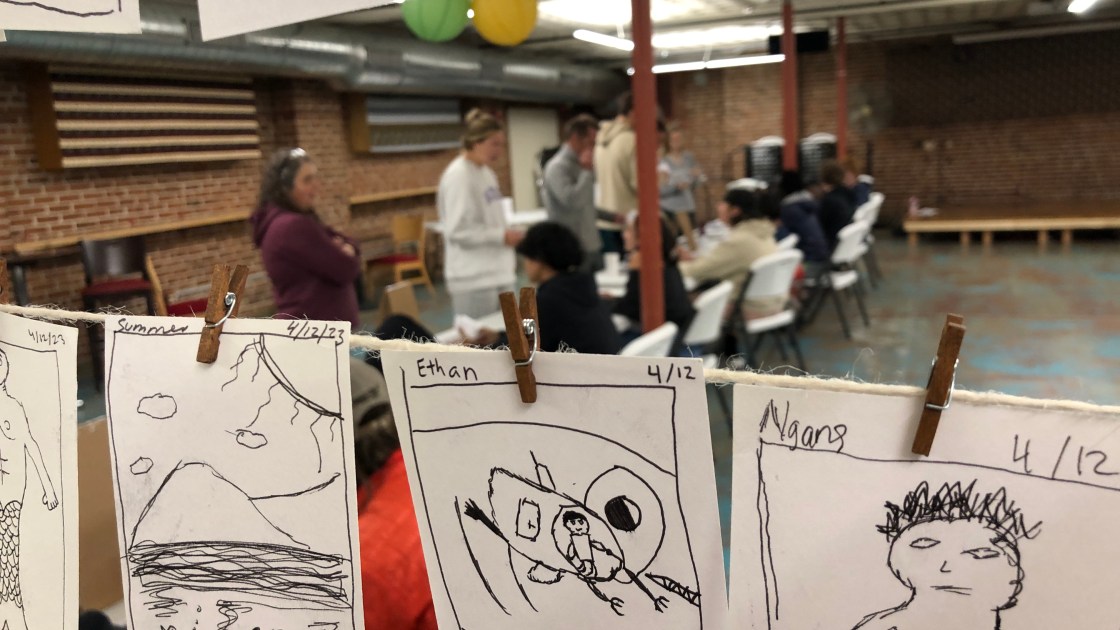
Thanks to Christine’s guidance and inspiration, BCL10 had the opportunity to spread this positivity. First, students learned about positive change theory, storytelling principles, comic making, and zine making. They looked at different examples of how people tell stories using a combination of works and pictures, and reflected on why so many people don’t identify as artists. Through a routine of rapid comic-art storytelling, Christine helped us see that anyone can be an artist.

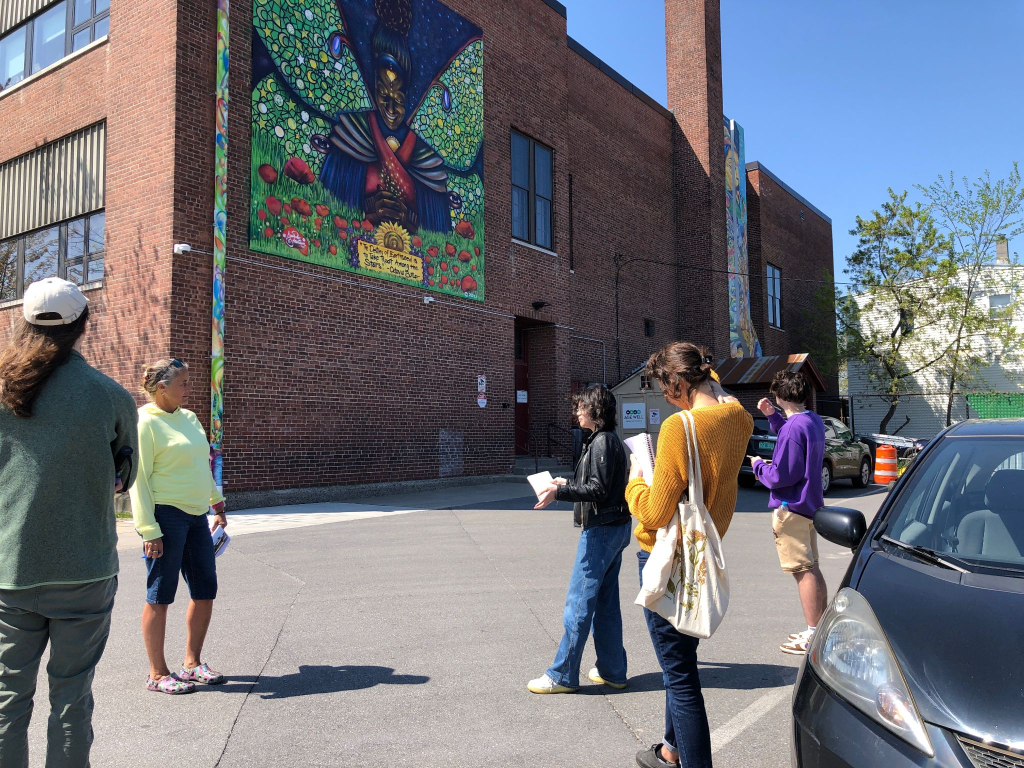

While going through my journal, something that caught my attention was when we went to look at the arts around the community. My group was with Signe, and we went downtown. The first art piece our group looked at was the sculpture of “Big Joe Burrell,” a local music legend who was sculpted by artist Chris Sharp. When we saw the statue everyone shared their thoughts on what the message the art was trying to convey was and a majority of us said that it was music, gratitude, engagement, and of course jazz… Doing this little art hop in BCL was a very fun, and educating experience for me because I didn’t really ever look at the art that was done in Burlington, VT, specifically downtown nor did I know that there were actually messages the artists were trying to send.
– Shayer (Bright Spot: Upward Bound)
Once the zine-making process began, students were asked to identify a “bright spot.” Our definition was broad: it could be something that is working, something that people shouldn’t take for granted, or something that the community needs more of. Students went from brainstorming to storyboarding to penciling to inking to full-on zine production.


When Christine started to work with us in BCL we were asked to write in our journal about being an artist. The question was: “Do you consider yourself an artist? Why? What is good art?” I answered with “I do not consider myself an artist because I am terrible at art. The only times I’ve done something artistic was an accident. However, I can appreciate good art. I know what good and bad art looks like. I learn things very fast so maybe if I practiced more i9 could eventually call myself an artist but I have no plan to do so.” This was back on April 1st, and I can confidently say that Christine changed the way I perceive myself as an artist. I did not think I would be finishing a zine by the end of BCL. Thanks to her she was able to make this happen.
– Walter
My zine had me thinking: How will art shape the future generations? How can art impact kids in the future? I do not consider myself an artist nor do I care to…Growing up I was also told that good art was something that was probably an accident, or from Europe, but now my perspective has changed. Even though some art might not be “good,” as long as you are creative and can inspire people with your art, I believe that your art is amazing. Art has the power to shape the future generation into creative beings as long as the art that is being created in the community involves the youth. Art can also raise awareness of big issues going on in the community and promote social change.
For my zine project, I had to choose a place in Burlington that was a bright spot in the community. I choose to do places of worship, because when I go to the mosque I feel like a much better person. After finishing my zine I was very proud to see all the people who came in for our zine party and read it. Hearing people talk about all the zines, and how they also have bright spots at some of these places really, changed my perspective on art, and on how art can inspire, and encourage personal expression.
– Majeni (Bright Spot: Places of Worship)
When working with Christine I realized how much of an impact art can have on the viewer by engaging them in the message of the art. When building my zines I realized I cared deeply about the health of the lake. I was skeptical though of how much an art project made by me could actually get people to care. This work helped me realize “By using their art as an innovative medium for awareness, artists become advocates, challenging the biggest issues of our time.” The impact was very visible during our community event when many people took an interest in finding out more not just about my project but everybody’s project. Art has more power over people than writing its ability to tell a whole story in just a couple of pictures is valuable.
– Elliot (Bright Spot: Lake Health)


I really enjoyed the zine making experience. At first I didn’t like doing the art at all. I avoided it, and every time BCL teachers would say we are doing art with Christine I would be annoyed. But I started to enjoy it once I saw the direction, once I saw the purpose for doing this project.
Talking about and figuring out my bright spot helped me a great deal. I get passionate talking about things I like. It was hard to choose at first, and then I realized it was right in front of me. My bright spot was the Boys & Girls Club.The zine-making actually made me realize why I go there so often…I went from disliking the zines to staying focused, engaged and showing it off.
– Henry (Bright Spot: Boys & Girls Club)
Making zines is somewhat easy. Once you know what you want to make it’s a cakewalk from there assuming you have enough time. Overall fun and gave me more confidence with my ability to draw.
– Ethan (Bright Spot: Natural Spaces)
When I made my zine at first I was worried that my final product wouldn’t be done in time. I worked for hours to make it the best it could be over the last few days.
– Kiernan (Bright Spot: King Street Center)
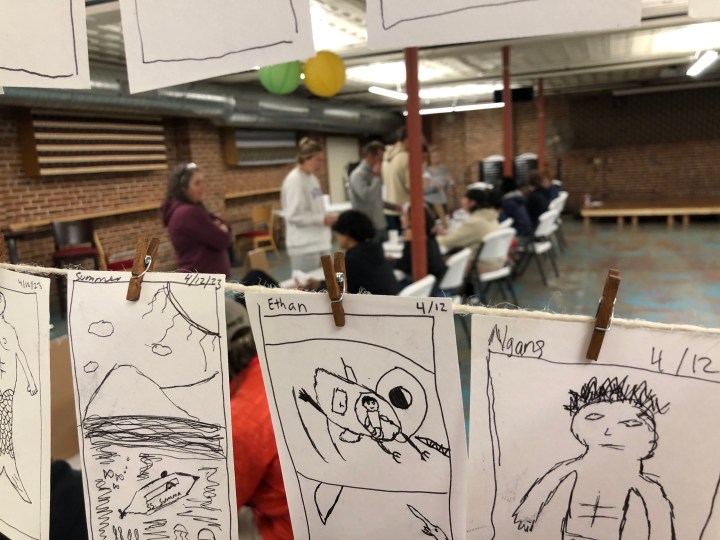
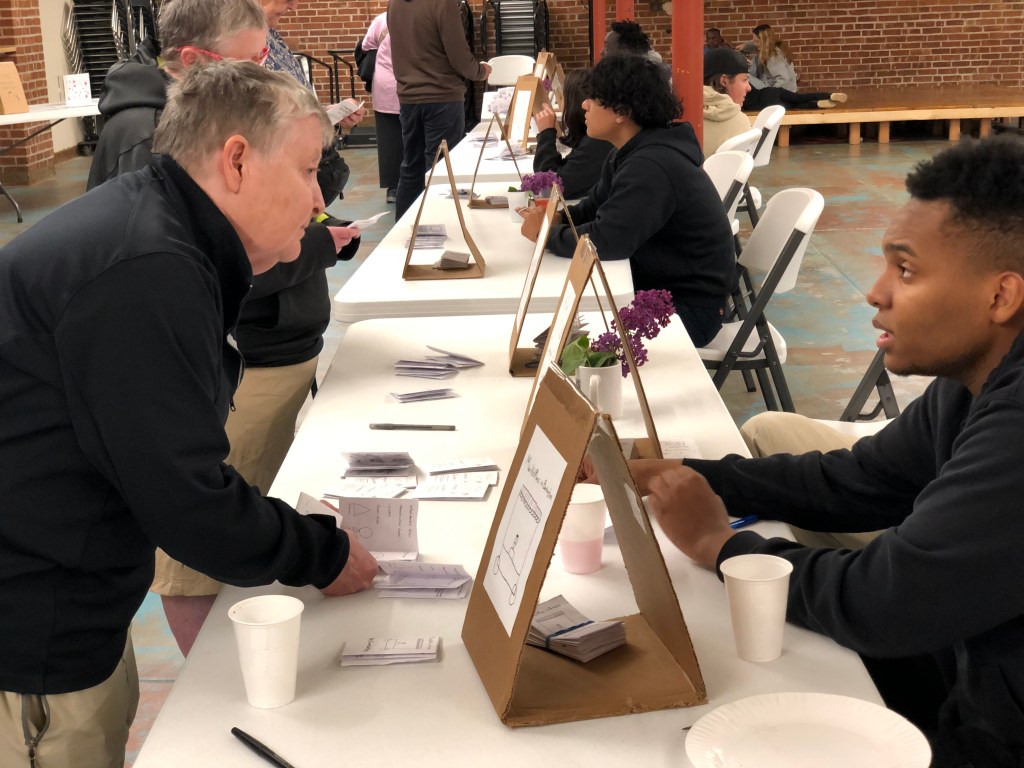
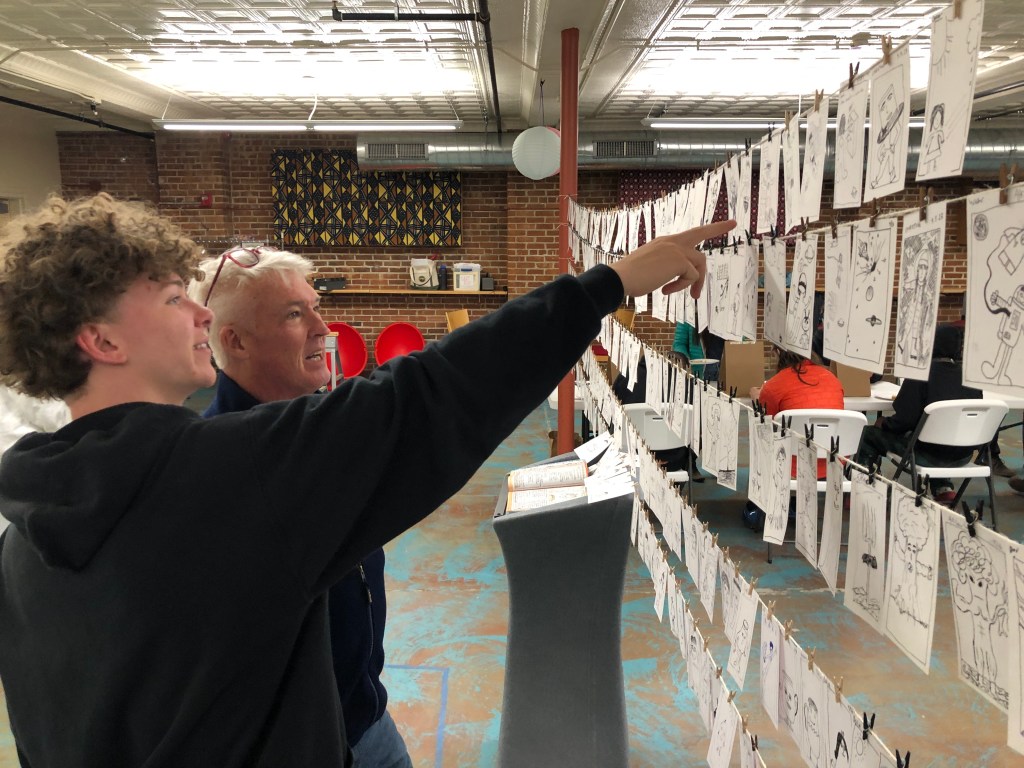
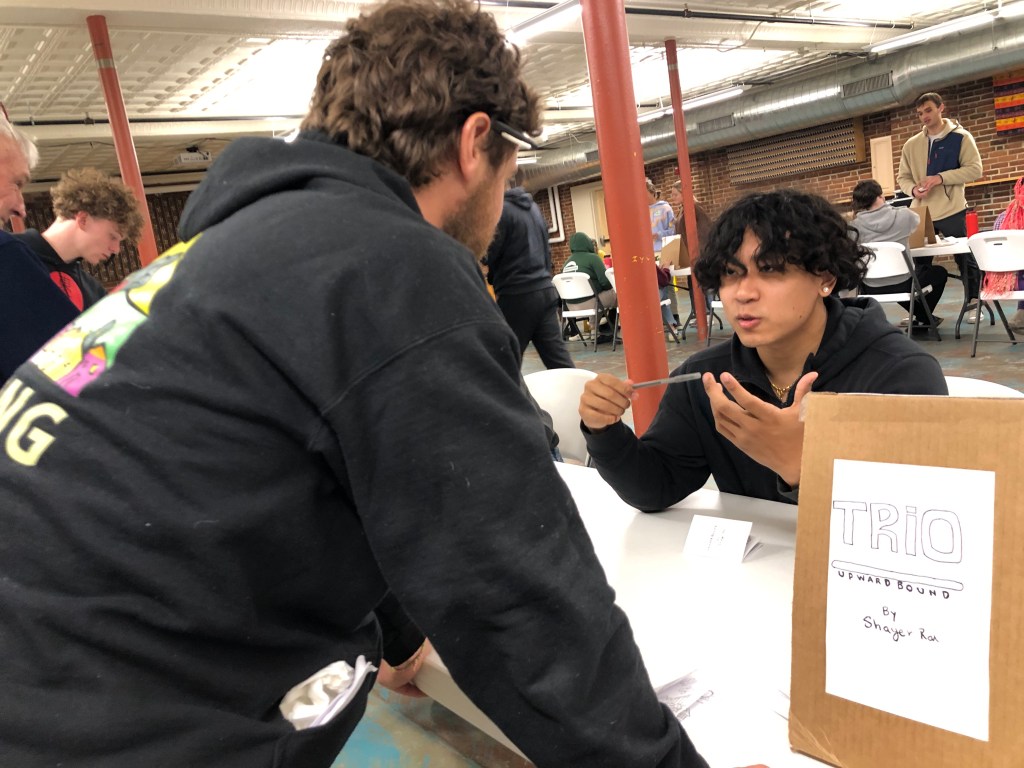
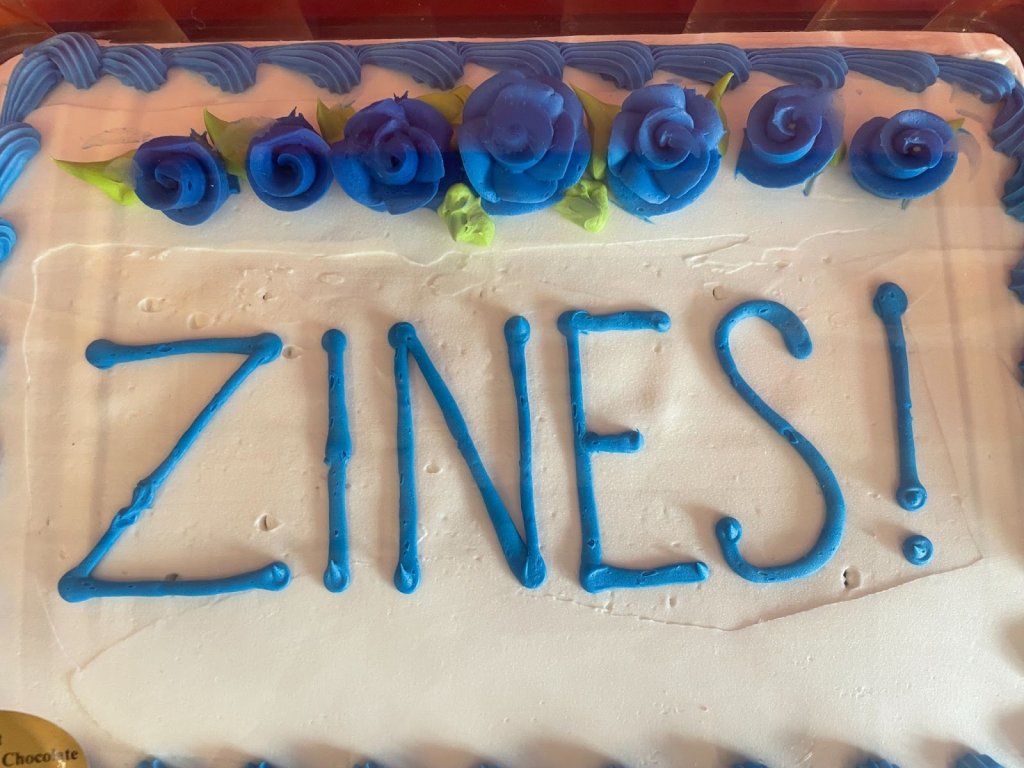
The project culminated with a public event at the Old North End Community Center. The room was buzzing. Dozens of guests made their way from table to table, where students presented their zines and shared about their experience as artists. It was an opportunity to go beyond the product, and tell the story of both the process and–most importantly–the inspiration behind each piece of art.

I think the event was great. It brought the community together. The zine project brought me closer to my friends. It’s nice to spread a message about something that is important in this world.
– Moe (Bright Spot: Environmental Health)
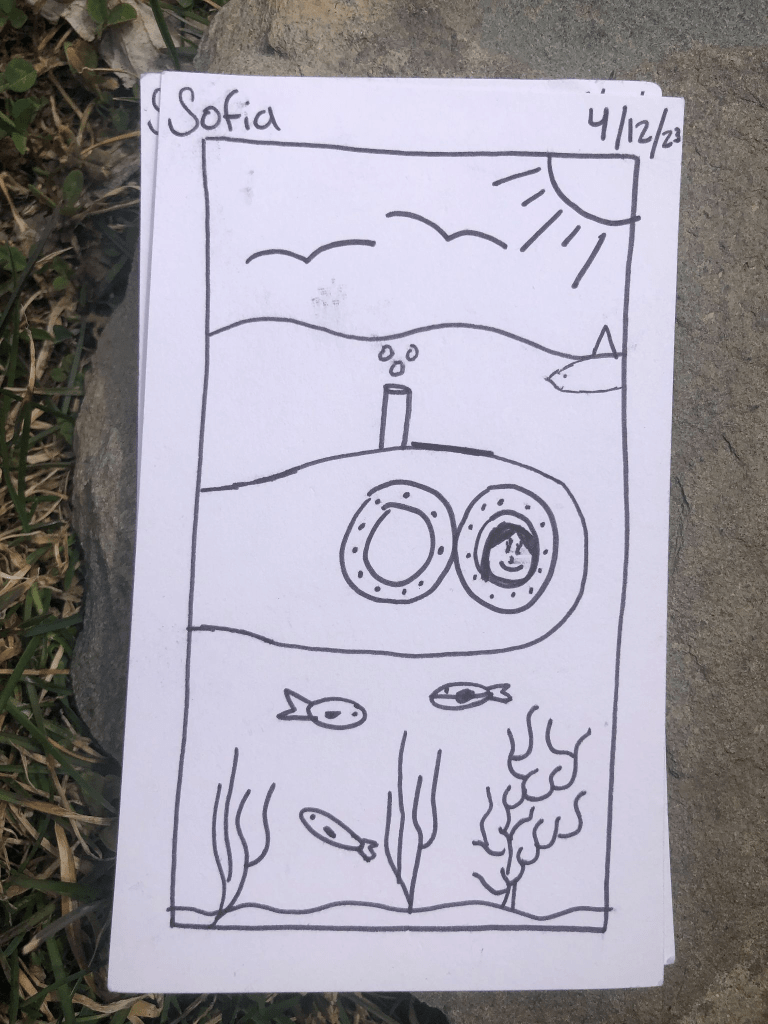
I really enjoyed making the zines. I didn’t think I would enjoy it as much as I did because I’m not usually satisfied with my art, but I really liked the end result and the process. The event exceeded my expectations. I wasn’t expecting that many people to come and ask me about my zine and lots of people complimented my art, which I was not expecting. Some people also related to Rock Point being their favorite spot.
– Sofia (Bright Spot: Accessible Natural Places in Burlington)
It was nice to hear people’s opinions about my zines because it made me feel good about myself. It made me feel relieved that people liked it when I put a lot of time into it.
– Eh Law La (Bright Spot: North Beach)

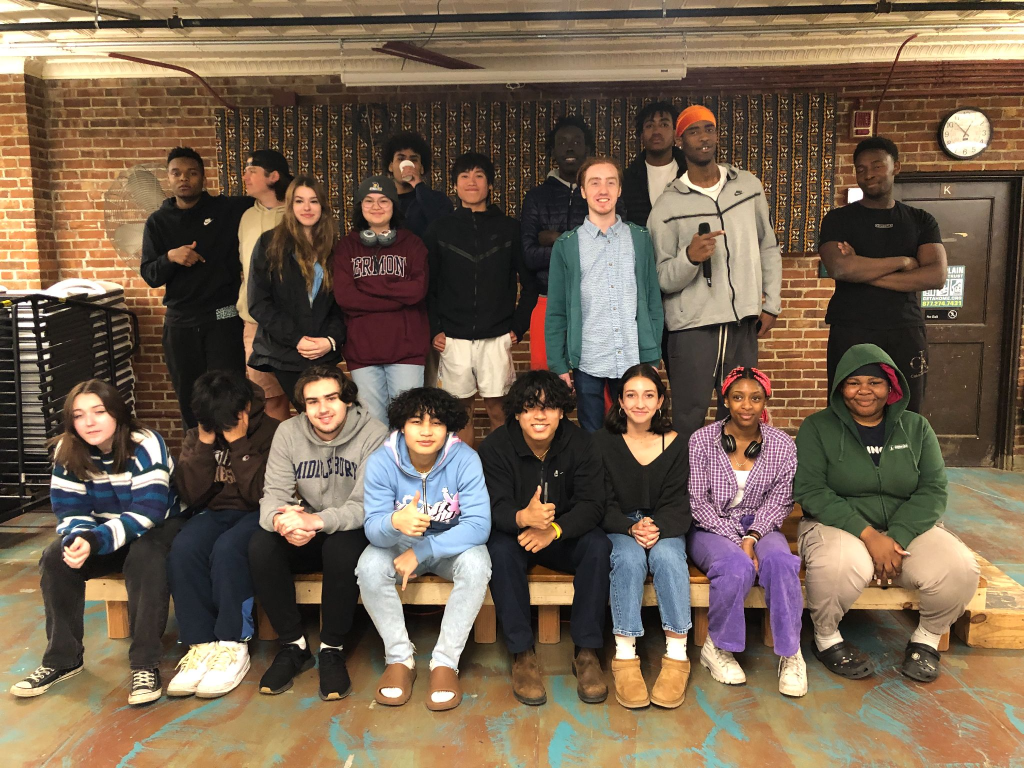
Zines were something I didn’t know i could do. I was very unmotivated to finish. When I finished i felt accomplished and I felt like i was educating those in my town. I hope to continue to do so.
– Habiba (Bright Spot: Juneteenth Celebration)
The event was fun…and interactive for everyone involved.
– Djani (Bright Spot: Volleyball)
The zines were fun. I enjoyed making them and thinking of bright spots. It was nice to be able to visit the library again. I got to walk down memory lane and think about the fun things I did in the library. Our event went well, too. I’m glad I was able to help others get their zines done. It was cool seeing everything set up and done. I really enjoyed sharing the finished product with the librarians from the Fletcher Free Library who I invited.
– Sasha (Bright Spot: The Fletcher Free Library)
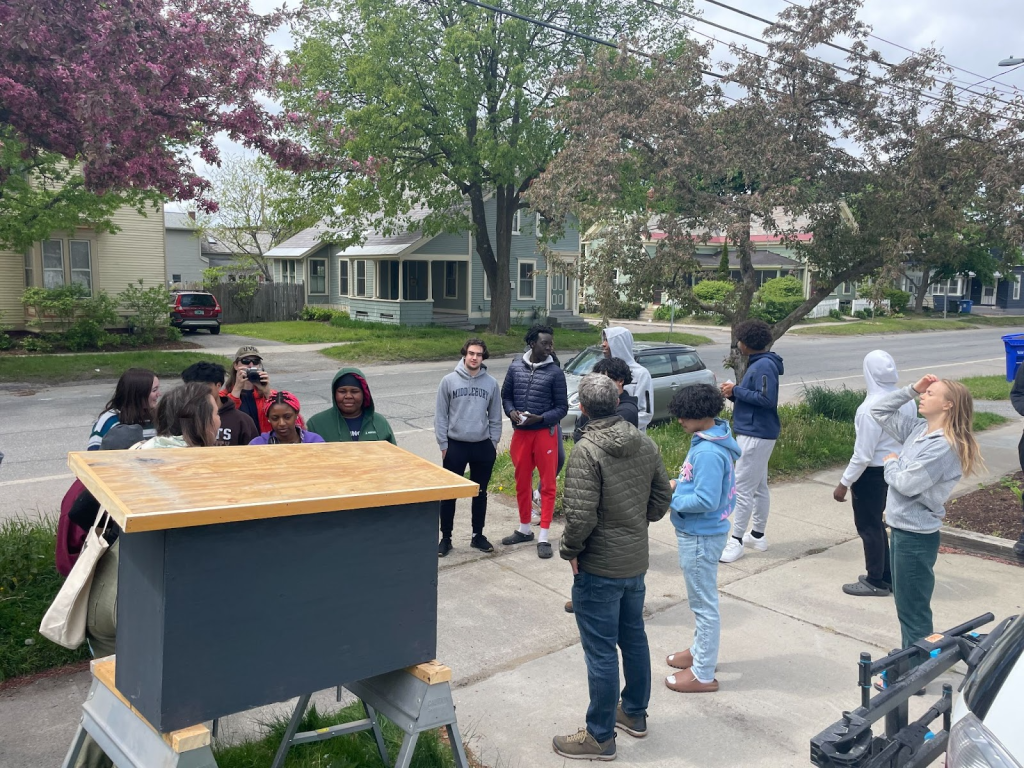
While the event felt like a natural climax, students weren’t done sharing. Later that day, they walked to Park Street to ceremoniously deposit a collection of their zines in Burlington’s first and (so far) only Little Zine Library.
The Little Zine Library ensures that the positivity keeps flowing across the community. Little libraries are interactive, so consider this an invitation to add your own zine into the mix. Join us! What’s your bright spot?



 Burlington City & Lake Semester