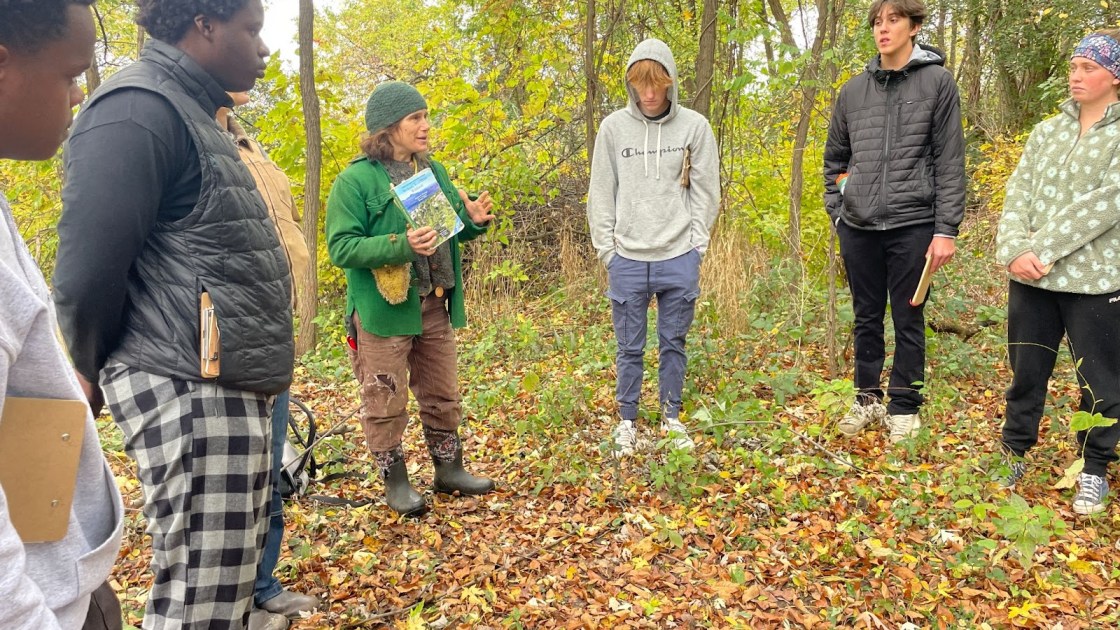
When we stepped around the locked chain-link fence and followed a wide path into the wooded area of the Barge Canal, we knew we were entering a toxic zone. BCL students have studied the waterfront’s history, including the history of this section, where barges busily traveled 150 years ago. We’ve walked the waterfront with Judy Dow (Abenaki educator and artist), Erin Moreau (Burlington Harbor Master), and Bob Blanchard (local historian). We have also studied historical maps and photos at the Silver Special Collection Library at UVM with Librarian, Prudence Doherty. We understood the story of the land, but being on the land itself was something different.
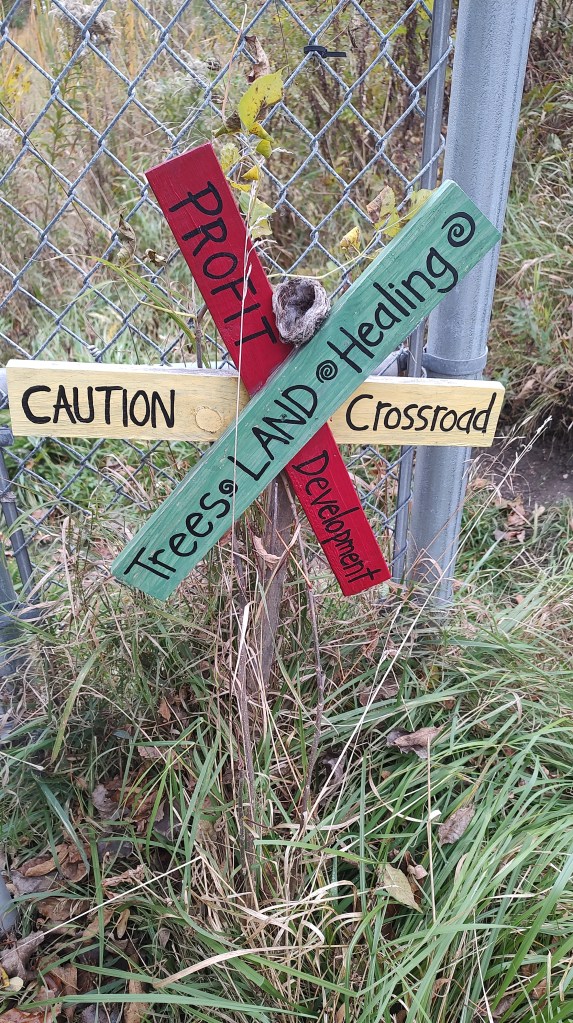

We spent two days with Jess Rubin (a restoration ecologist and founder of MycoEvolve) learning about phytoremediation and removing invasive species, including buckthorn. Jess shared some of the controversy surrounding this land, while offering possible ways to clean up the Barge Canal’s coal tar using plants and fungi. Her work is deep, passionate, and involves much respect for the land and collaboration with Abenaki leaders. Students really enjoyed working to improve the quality of this marshland and sharing ideas for what they would like to see happen here in the future.
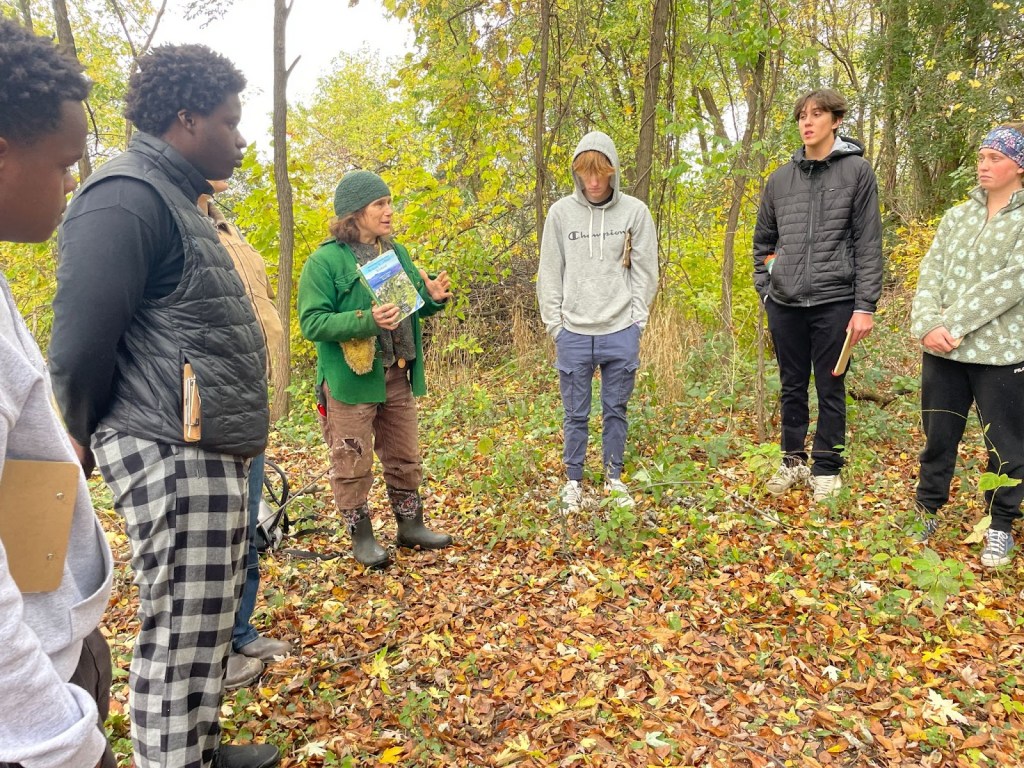

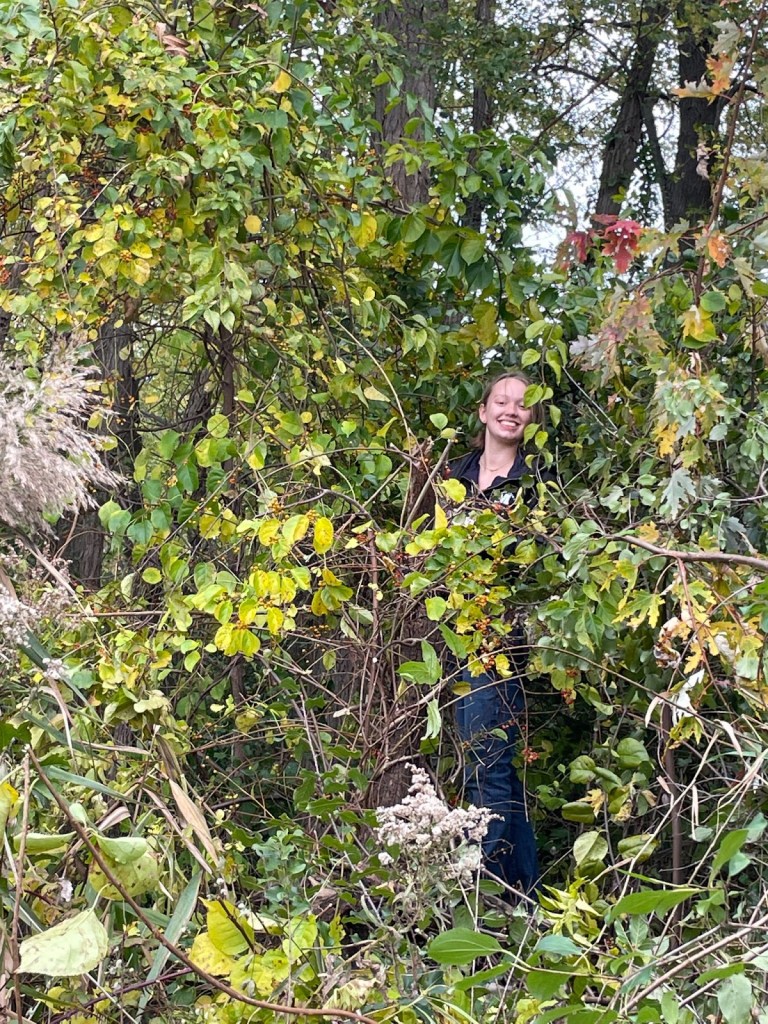
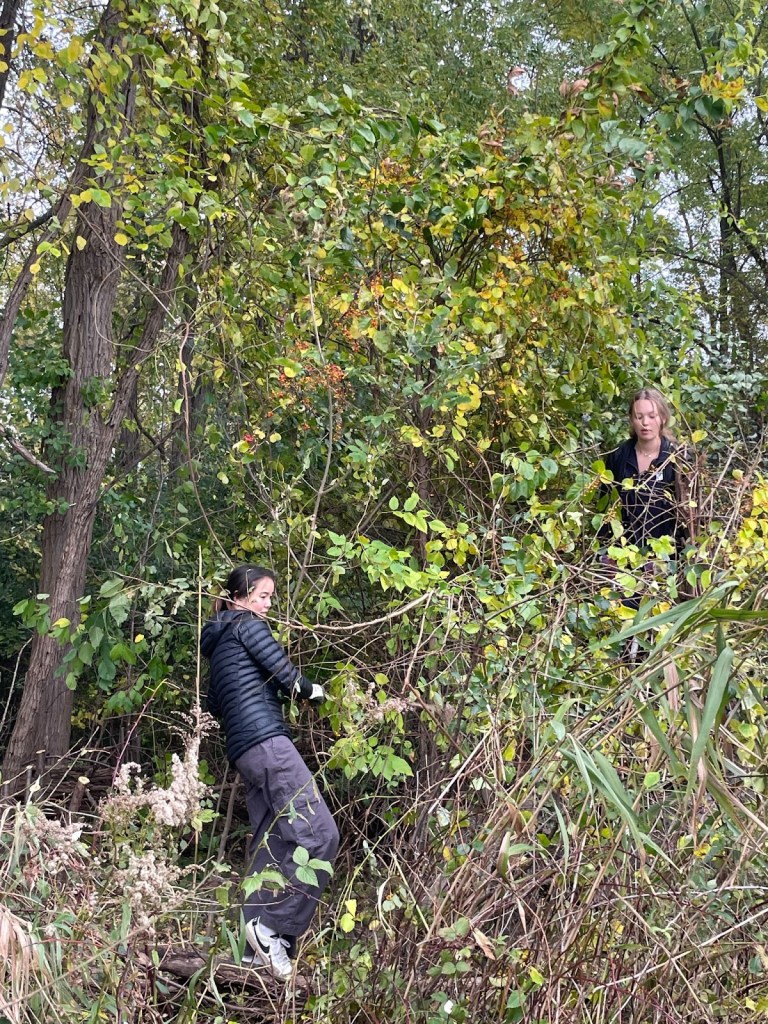
It was awesome. Learned about the community of plants there as well as the health and livelihood of the water. Also had a great time cutting down buckthorn, and felt restoring.
Avi
I loved cutting down the trees and being outside, doing things with my hands. It felt really nice to be making a difference and having fun doing it. I would love to do this again in the future.
Bella
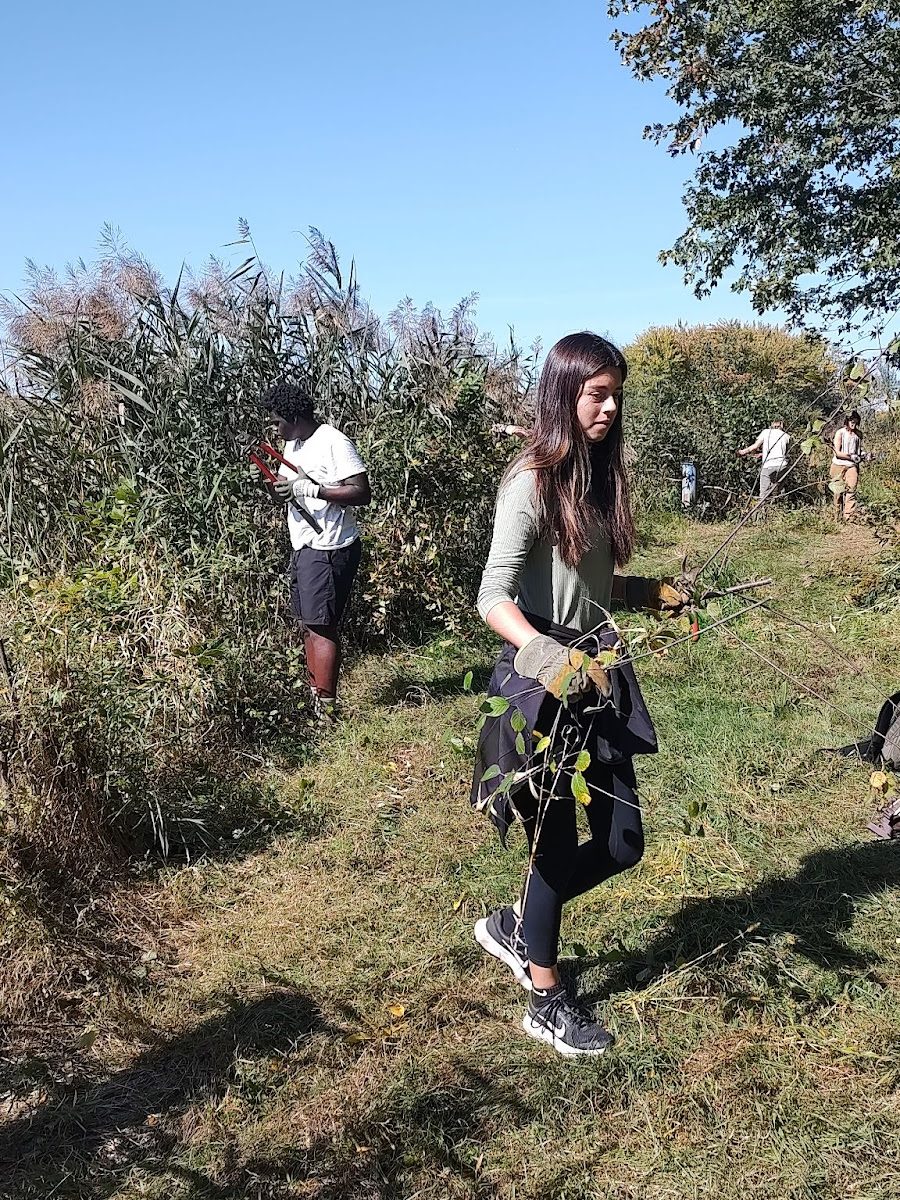

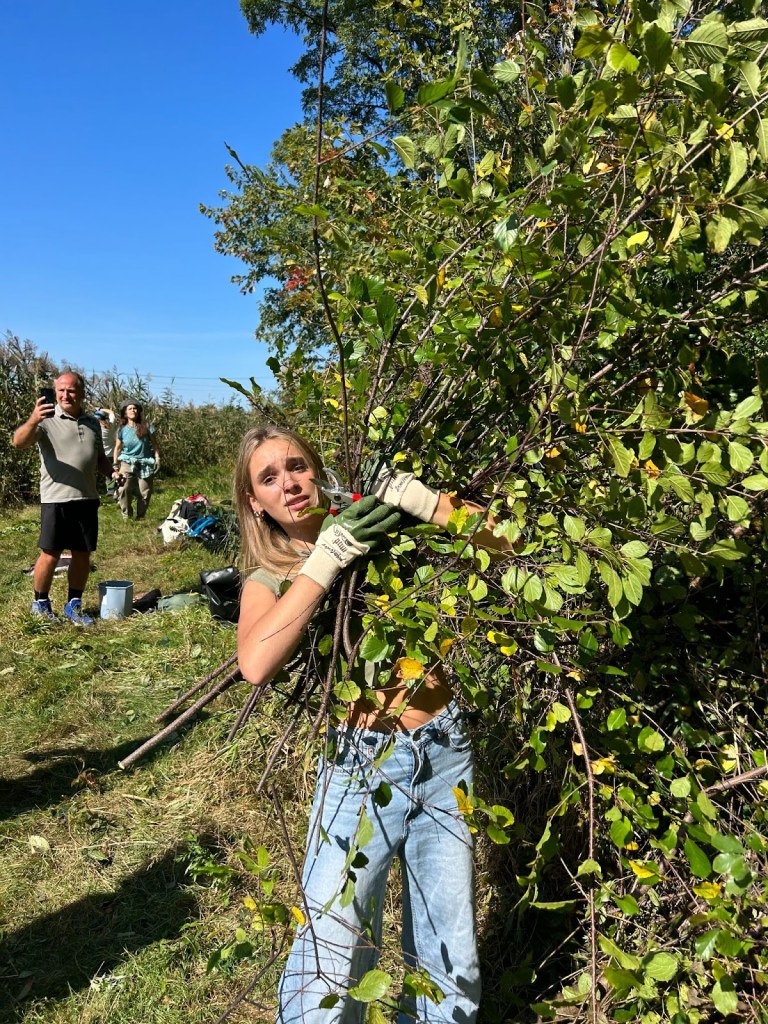
I learned that utilizing nature to restore land that we have destroyed. It’s important to remember that the land’s ecosystems fluctuate and can heal itself. It’s important to include everyone in the conversation about what to do with the barge canal – especially Indigenous Peoples.
– Medea
We also spent a day at the Barge Canal with Miles Waite, Principal Hydrogeologist of Waite-Heindel Environmental Management. Miles provided students with more maps and history of this Superfund site. We learned what has been done over the past 50 years to seal off the tar it holds, and what the possibilities are for developing parts of the parcel, which include both private and public land.
Presenting BCL students with a real dilemma surrounding a natural place in Burlington that has been deeply damaged over centuries gave them a real-world example of human impact. This week also offered ways to move forward with recognition, accountability, and responsibility—pathways that will hopefully lead to more sustainable solutions in their lifetimes for dealing with this toxic place of beauty and potential.
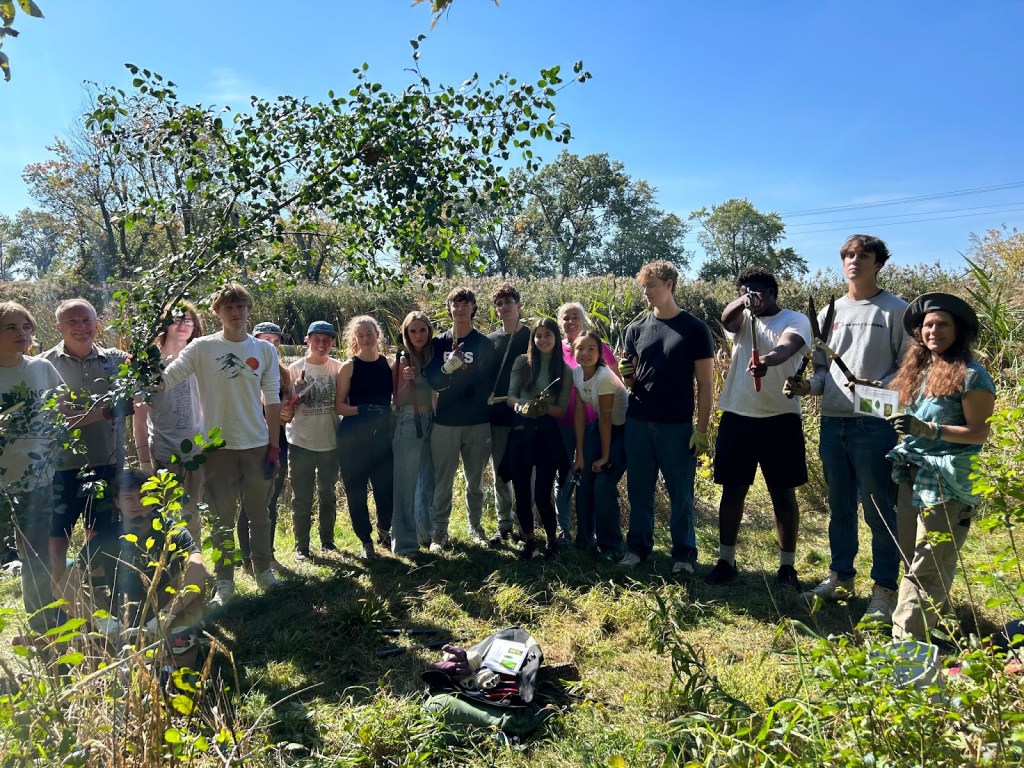
Students enjoyed being outside, working together, learning about a controversial topic in their city, and making a difference.
I learned a lot about the ecosystem within Barge Canal, the various species of trees and plants along with some of the animal and insects. I leaned about how the toxic coal beneath the surface is capped by a protective barrier of sand. I also learned about natural remediation through plants and bacteria that can help clean up the earth.
– Adriel
I think it should become a reserve. I like the peace and quiet there and I’d like it not to be disturbed by development. I primarily learned how to identify invasive species and how to remove them.
– Rowan
I learned about the invasives. This tied into what I learned during the student choice project where we also spent much time removing invasives. I got used to knowing the names for invasives and that made me proud. The future of the Barge Canal should be one that celebrates the species that the area holds.
– LiLin
I learned a lot about diversity and ecology of systems. I think much of it should be kept natural for research purposes.
– Naveen
I feel like today opened my eyes on what I want to do in the future is study Ecology.
– Mohamed
I learned about how invasive and non-native species affect the ecosystems, and the history of the site. I think the Barge Canal should be used for education and scientific research, and some of it should be dedicated to the Abenaki people.
Gillian
Before we went to the Barge Canal the only thing I knew about it was that it was a superfund site. After hearing that I kind of assumed it looked like a dump and was barren and radioactive and nasty. Going there I see that’s not the case. There’s lots of life there. Personally I think we should develop there as the land can’t be used for much else.
Quinn
 Burlington City & Lake Semester