Written by Ivy Befeler, Burlington City & Lake Semester fellow
On October 25, community partners from Shelburne Farms—BCL’s lead community partner—joined us to delve into the UN’s Sustainable Development Goals (SDGs).

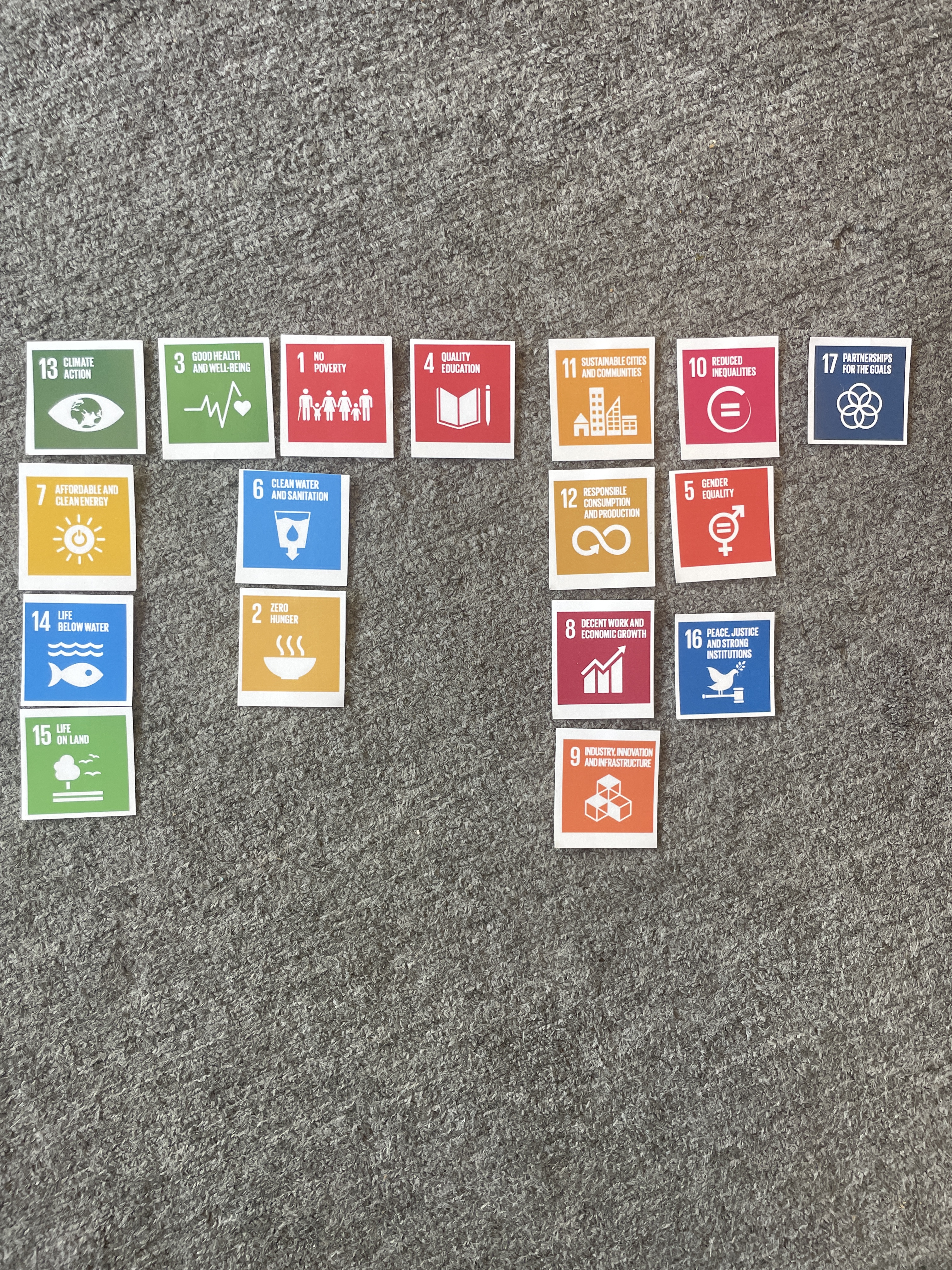
The 2030 Agenda for Sustainable Development, adopted by all United Nations Member States in 2015, provides a shared blueprint for peace and prosperity for people and the planet, now and into the future. At its heart are the 17 Sustainable Development Goals (SDGs), which are an urgent call for action by all countries – developed and developing – in a global partnership. They recognize that ending poverty and other deprivations must go hand-in-hand with strategies that improve health and education, reduce inequality, and spur economic growth – all while tackling climate change and working to preserve our oceans and forests.
UN.org
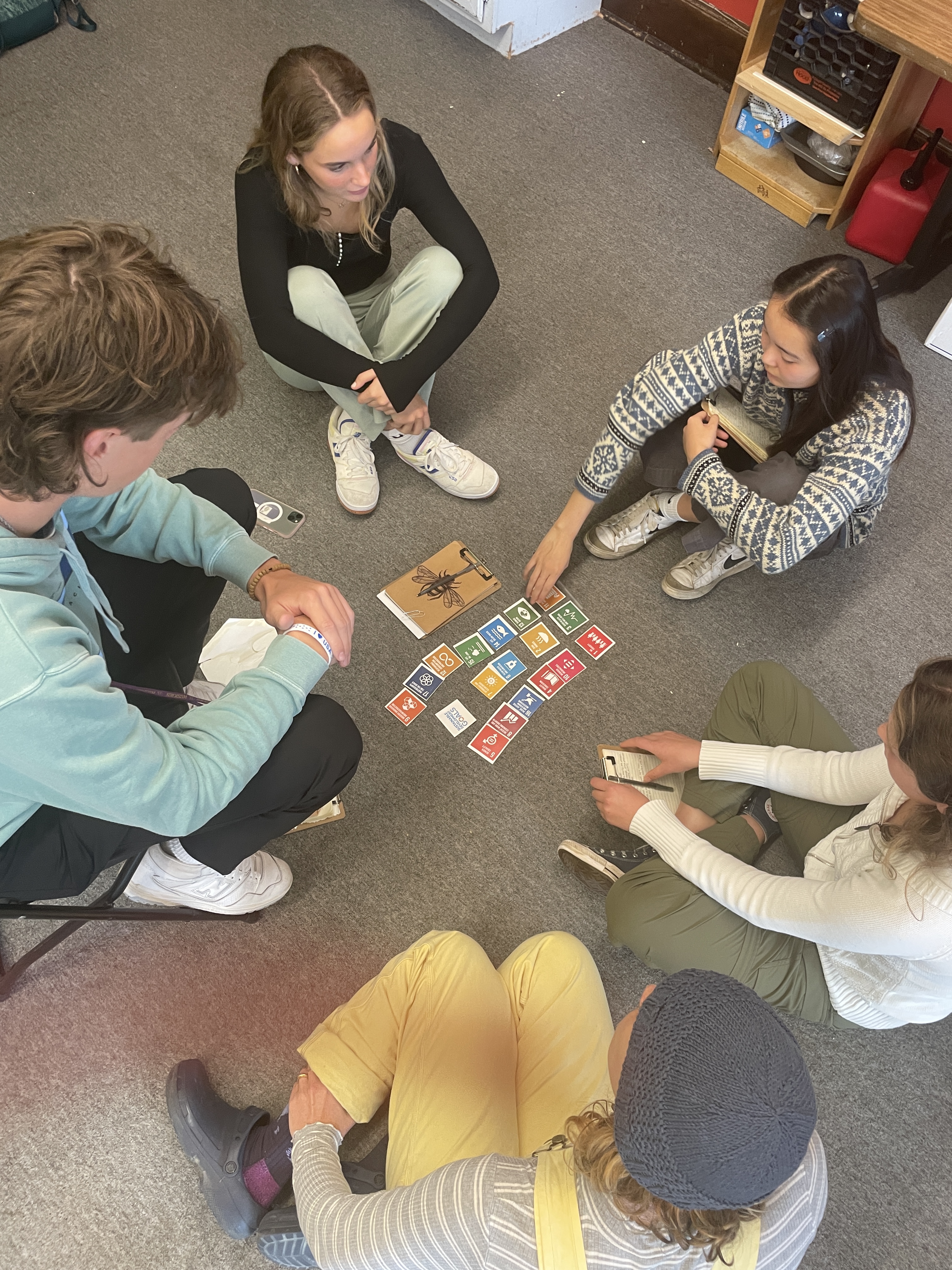
The students ranked the goals, looked at what stands out for them, and talked with their peers to try to come up with a new SDG. After, students crafted questions that could guide their exploration of these global challenges.
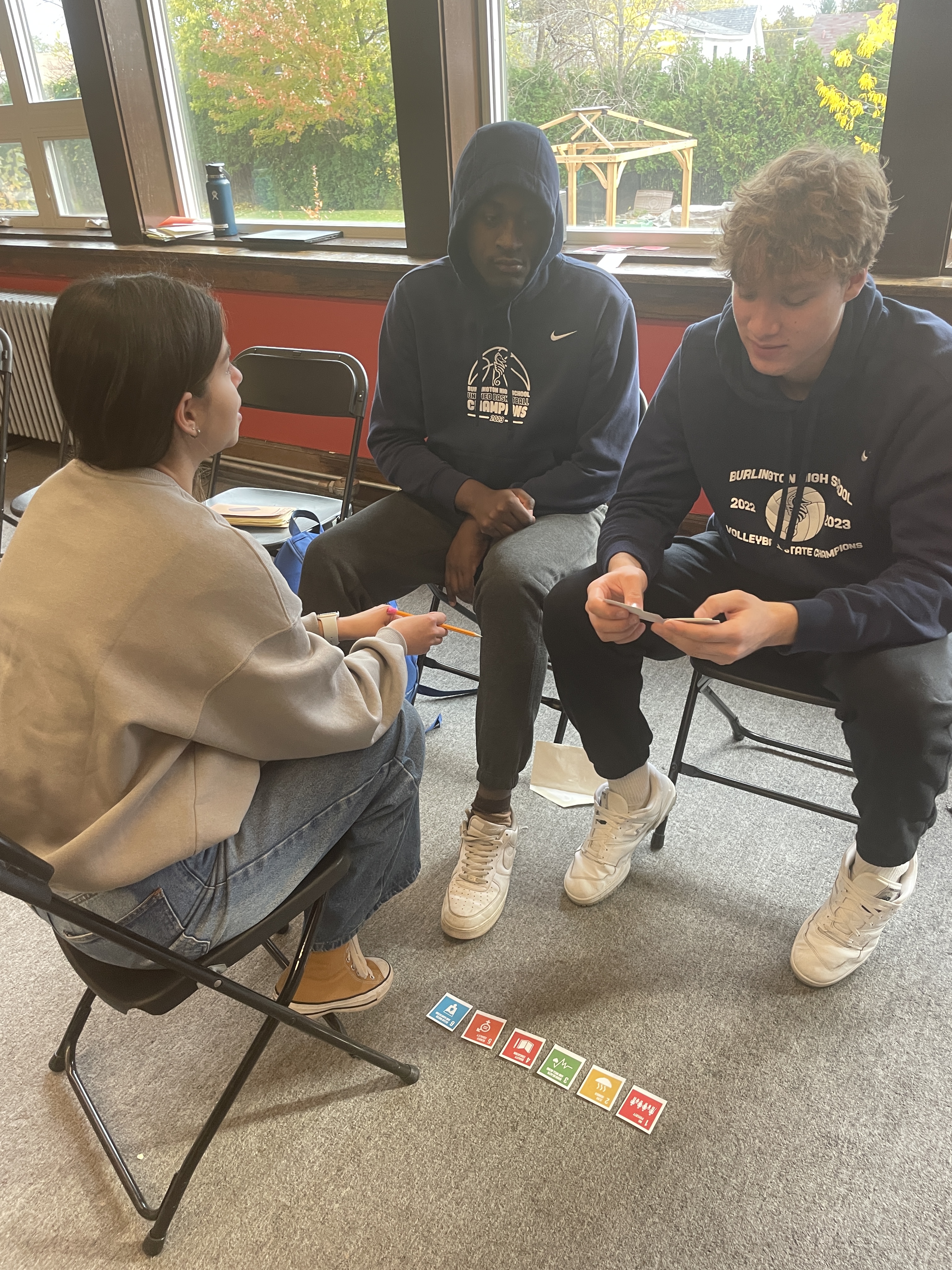
From discussions with Shelburne Farms, students were organized into groups based on the elementary or middle schools they once attended. With this structure in place, our high school students took charge, developing innovative lesson plans to convey the importance of SDGs to their younger peers. This not only created a sense of familiarity but also a deeper connection to the communities they were serving.
The lesson plans became a bridge between the high schoolers and the younger students. Different groups came up with a variety of ways to share out the SDGs, trying to come up with innovative ways to engage the younger generation in big global issues.
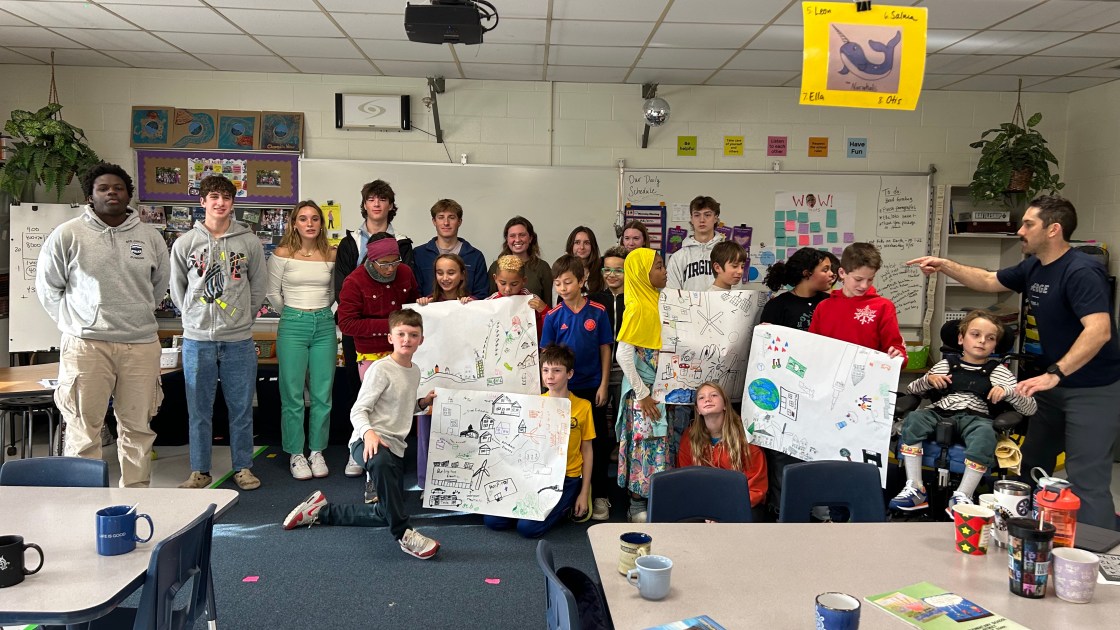
The classrooms buzzed with excitement as high school students asked their younger counterparts: What does your ideal city look like? The younger students drew vast cities with solar panels, parks, apartments, beaches, neighborhoods, and everything they saw fit to make a thriving city. High school students then challenged the class to show how and where the Sustainable Development Goals fit into their drawings. BCL’s guiding question—”What does it take for a community to thrive?”—drove discussions students had. Looking at a wider more global lens, while also keeping in mind local communities, seamlessly integrated the lessons behind Place Based Education within our lessons.


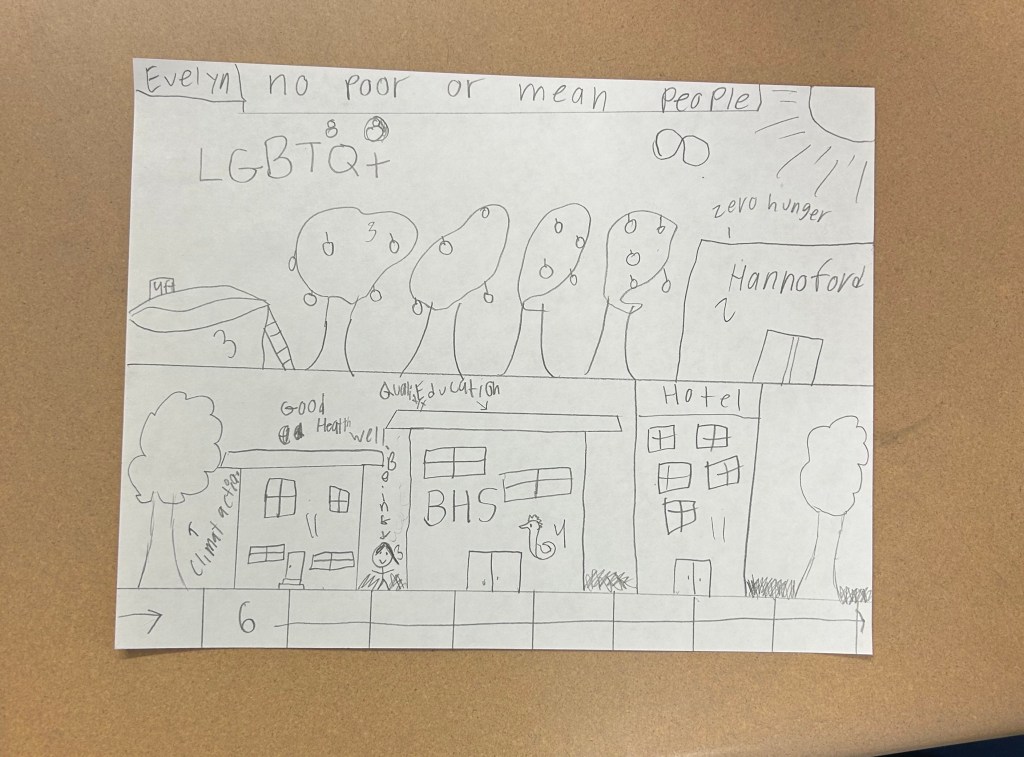
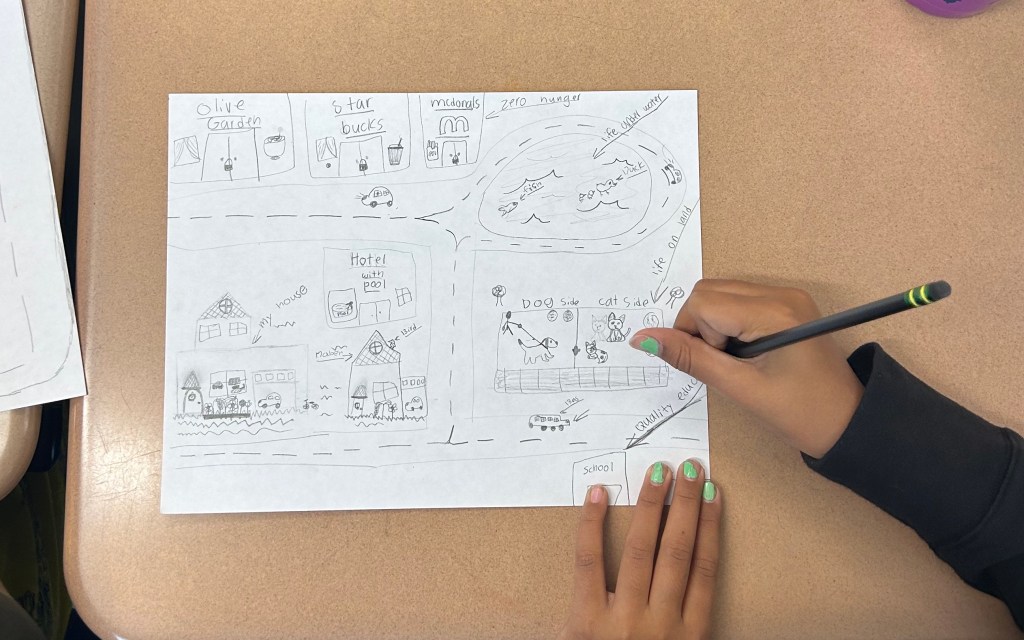
Projects like these foster a sense of responsibility and awareness within the community. Our connection is a testament to the potential for positive change when global goals and local people converge.
We express our heartfelt gratitude to our community partners at Shelburne Farms for introducing the SDGs, and teachers at the Sustainability Academy elementary school, Hunt Middle School, Edmunds Middle School, and Champlain Elementary School for allowing us to come into their classrooms. Most importantly, we want to thank the students, who continue to inspire us with their commitment to creating thriving communities.
Teaching at Champlain and [Sustainability Academy] elementary schools has been an amazing experience, providing me with valuable insights into civic engagement and my role in shaping the minds of young learners. As I stood before eager faces, I realized the profound impact educators can have on fostering active citizenship from an early age. Witnessing the curiosity and enthusiasm of students at this developmental stage, I began to understand the crucial role elementary education plays in shaping future civic leaders.
– Quinn
It was fun to teach the kids because they’re still at an age where they’re creative, energetic, and full of hope. They understand what climate change is to some extent—one of the kids yelled “bad!” when I mentioned the word coal—and have learned about sustainable solutions, but they still have the childlike innocence which makes it seem like a simple problem to solve.
– Gillian
It was really amazing to see how much the students learned in the short amount of time we were with the 5th grade classes. They started coming up with creative ways to create energy and how to make their cities align with the SDGs. If 5th graders can do this what would happen if all voters and people in power thought about the SDGs? If we can educate everyone about the SDGs will more people be invested in creating ideal cities and be more conscious about the environment?
– Lillian
 Burlington City & Lake Semester