
Believe the long-legged birds who are circling above us desperately looking for water. Believe the forests that are burning whose surviving trees will later stand as sentinels, charred witnesses to animal bodies reduced to ash. Believe in flash floods roaring through burnt canyons gathering debris in rivers running black in the desert even in times of drought. Believe Great Salt Lake is retreating in plain sight, leaving what’s left to the dust devils whipping up clouds of chemicals resting on the dry lakebed as we inhale the toxic world we have created. Believe in the once shimmering bodies of water on the horizon that are now nothing more than a mirage made of heat waves death-dancing on the salt flats. Believe in the silences. Before we can save this world we are losing, we must first learn how to savor what remains. This is more than an ecological crisis or a political crisis — it is a spiritual one.
- Terry Tempest Williams, “Believe”
Each semester, several BCL students opt to earn Honors. Honors work involves more reading, thinking, and writing, as well as meeting with fellow students to discuss selected texts. This semester, ten students chose to take part, and over our time together we listened to podcast interviews featuring three contemporary writers: Robin Wall Kimmerer, Terry Tempest Williams, and Ross Gay; students also read examples of their work. Every couple of weeks, we met to discuss the assigned texts, exploring topics ranging from how to shift our relationship with the natural world to one of reciprocity, the experience of climate grief, and how sharing the things that bring us joy can deepen our connections with one another.
We used the Harkness model for our discussions, in which students hold the responsibility for leading, contributing, and listening, as the teacher observes from the outside, stepping in to moderate only when necessary. The conversations were deep and rich; each student brought to the table quotations from the text that they wanted to dig into, connections to our experiences in BCL and with their own lives, as well as thoughtful questions.
After each discussion, the students would respond to the author’s words with their own writing. They then selected one of these pieces to edit and revise, partnering with a peer to receive and give feedback for a second, and then final draft. What follows are a few of their responses to a 2023 interview with author Terry Tempest Williams and her essay, “The Refuge of Change.” Best known for her 1991 memoir, Refuge: An Unnatural History of Family and Place, Terry Tempest Williams writes about the natural world, its beauty and its destruction. She has a particular connection to Utah’s Great Salt Lake, a place she has felt intimately connected to since childhood. In their essays, students consider their own grief about the changes they see happening to places they love, whether as a result of the climate crisis or other factors, and explore how they might take action to preserve them. In a later post, we will share several students’ poems that capture something- a place, a sport, an animal – that brings them joy.
The Seasons They Go Round And Round – Sophie Philmus
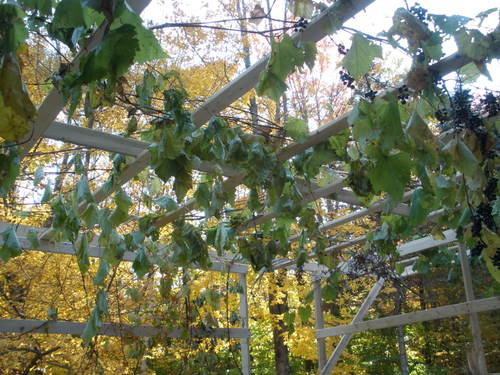
A sharp breeze whips through our shelter. Our faces smiling around the table, we dig into the heavenly food in front of us. Apple cinnamon challah and bright yellow butternut squash soup are devoured. Every fall the Jewish holiday of Sukkot is the same; we build a hut composed of four temporary walls and plenty of pine, maple and vibrant red tree branches as a roof. Decorated with lights and gourds, the sukkah provides a place for us to eat our meals and sleep for a week. It’s always unbearably cold, but every year we power through to hold the tradition. However, this year on the last night of Sukkot, it was far from cold. And while the warm temperature is enjoyable, I can’t help but feel miserable. The change of the seasons always reminds me of the impermanence in our world. But every year, the lines blur between seasons and the transitions are not as clear. Similar to Terry Tempest Williams’ essay, “The Refuge of Change” and her interview with NPR’s Rachel Martin, we both share a feeling of loss for the places and seasons we love and how they are shifting because of climate change. Williams uses a quote in one of her essays from a poet named Rainer Marie Rilke. She says, “Beauty is nothing more than the beginning of terror.” We can absolutely find beauty in warm weather in late October, but we also can’t ignore how unnatural it is. Williams says, “the angst is loss.” Angst is a feeling of anxiety and frustration toward something one loves. In this context, Williams is saying that the origin of the anger is actually just loss. I have an emotional love and attachment to it to the memories of sitting in our freezing cold sukkah, but when it feels like that’s something that’s slipping away from me, I get defensive.
***
There’s a specific smell that always reminds me of the beginning of summer. It’s a sweet scent with hints of asphalt. The cold melts leaving puddles perfect for splashing. I feel a humid gust of wind pass through me and let my thin sweatshirt fly behind me like a cape. As I ride down my street on the way to school I am transported into that state of mind. I think to myself, “school will be out in a few weeks,” but that isn’t right. Something is wrong, because fall is only beginning. I can’t help but lean on the change of seasons to mark moments in my life, but when they don’t have a clear beginning and end, I get all discombobulated. This feeling of being lost is universal in the subject of climate change. I find myself feeling stuck and helpless when it comes to making a difference. Williams worked with a group of college students at the Harvard Divinity School, where they discussed their climate grief and how they could take action. She remarks on when they began gathering, how they shared feelings of immense grief. But as the sessions progressed she says that, “Climate grief has moved to engagement.” That feeling of loss and anger actually made them more motivated to create change. When you care about something, you fight for it. In life things are always changing whether we see it coming or not, the only logical next step is to adapt and engage with the change. Surrounding yourself with people who have this mindset is the only way we can change from grief to engagement, otherwise we feel a sense of helplessness.
***
Tart sweetness of wild grapes linger and stain my tongue, distracting me from the task at hand. I grasp my shovel and glance up at the flowing river, the warm sun casting a beam on my face. With force I bury my shovel in the ground provoking the fresh smell of dirt. I make the hole just big enough for a small willow tree. In BCL, we investigated the problem of the recent tragic flooding in Vermont and the solutions being implemented to fight it. We visited the Intervale and learned about how trees can have a key role in mitigating floods and landslides. The tree roots hold the soil intact, helping to prevent erosion. Just like me, the trees don’t want to let go of something that sustains. We partnered with students at Champlain Elementary and helped them dig up the willow clippings they previously planted. Next, we made our way to the Ethan Allen Homestead to replant the trees along the Winooski river, aiding with flooding. Finally, we closed the circle by snipping more tree clippings to be planted once again. It was meaningful to be able to make connections with younger students, all of us fighting for the same cause. This work illuminates the light of hope that is usually dimmed by our grief. But as we engage with these issues, the light shines a little brighter.
***
As the seasons turn every year, I try to hold on to the idea of impermanence. I like to depend on the cycle of different phases of the year, but as those lines blur, I feel loss for memories I have freezing in our sukkah and the many specific aromas that mark the beginnings of the seasons. Things are always changing and learning to adapt and move forward is the only solution. Feeling that sense of grief should be a cue to how you are going to engage and embark on that new journey of movement.
The Duality of Lake Champlain- Glenna Westbrook

Lake Champlain is not just a lake, it’s a beautiful reservoir that holds significance and memories for me. Ever since I was a little kid my favorite memories have been engaging in activities on the lake while also feeling peace and connection. My connection to the lake is similar to the words of writer Terry Tempest William in her essay, “The Refuge of Change” and the interview she gave with Rachel Martin about her vast love for the Great Salt Lake in Utah. The water and landscape of Champlain have been a continuous setting in my life. Watching the sunset, or wake-surfing out in the core of the lake deepens my connection to the world and nature, and the people around me as well. My love for Lake Champlain comes from the memories within and my strong bond with the scenic landscape, and with the beautiful region of the Green Mountains.
I remember when I was 13, my family and I went on a walk during winter. We went on many walks during this time because there wasn’t much else to do during quarantine. Going down to the lake and walking along the boardwalk allowed me to forget the epidemic that was happening. The air was crisp and my nose was too cold to smell anything. It was quiet; no birds chirping or seagulls flying. We started to walk over the frozen waters, almost making it far enough to go on the breakwater. I began to think about how the lake has changed throughout the seasons and time. Six months ago I was swimming in the 75 degree water, and now I’m walking over a frozen layer of ice. That was the last time the lake almost froze over; now it’s very rare to happen with the warming of the world. In Williams’s interview, she talks about the change in the Great Salt Lake in Utah: “We can now stand in the lake bed where water once was. The birds are still there but the numbers are lower.” Climate change is affecting the places we love. For example, the water that is home to hundreds of species of marine life is negatively impacted by the negligence of our society.
Fast forward to just a couple of months ago, in July, when a big storm with the highest winds I’ve ever experienced hit Burlington. I work down at the water gassing and docking boats, but my shift that evening got called off. Even though it wasn’t the smartest decision, my family and I went down to the docks to check on our boat, and to tie all the boats up tighter. It wasn’t raining at the moment, or thundering, there was just wind. Gusts of wind were the only thing I could hear while the docks under my feet were moving with the massive waves. This was not something I was used to happening with the calm, quiet lake that I loved. Williams said in her interview, “It’s never not been beautiful, so is it a beautiful haunting, is it a terrible beauty, is it what Rainer Maria Rilke says ‘beauty is nothing more but the beginning of terror.”The dualism shows the beginning of the terror, where the beautiful sunsets reflect the ruthless storms to come. I love the balance and complexity of the lake. However, this storm brought many floods to parts of Burlington, including the Intervale and other places in Vermont. The storm contained both beauty and terror.
In my perspective, the lake is thriving the most in early July. The waterfront is continuously packed with people, taking advantage of restaurants like the Spot on the Dock and Splash and views of the lake along with them. I am at the bay, cruising, the water so still my reflection is perfect and clear. It’s now close to 9 pm and the sunset is setting when my friends and I are surfing our last round until it gets too dark. This is one of my favorite memories; the lake’s calm water reflected me in that moment, and I became connected. Williams brings up how much she loves the Great Salt Lake and finds it necessary to keep seeing its beauty. She states in her interview, “We’re cloaked in beauty even as we’re weeping.”Her words make me think about how many problems are happening with the lake, but I don’t want to just focus on those. Cyanobacteria blooms have been a regular occurrence during the summer and are becoming more of an issue each year. However, I still want to enjoy and love the lake.
Just like Terry Tempest Williams, I have a love for the lake that I grew up with. Lake Champlain holds memories I will remember forever, positive or not. I want to continue to love the lake and hope I get to make more memories. I think it’s important to see both its beauty and the threats that it faces and have a love for the balance of all four seasons. I continue to think about the future of Lake Champlain and if people will be able to love it as I do. I hope Lake Champlain continues to thrive with the sky painted beautiful shades of pinks and oranges, reflecting off its glassy waters.
My Jamaican Experience – Joshua Rozestraten-Clarke
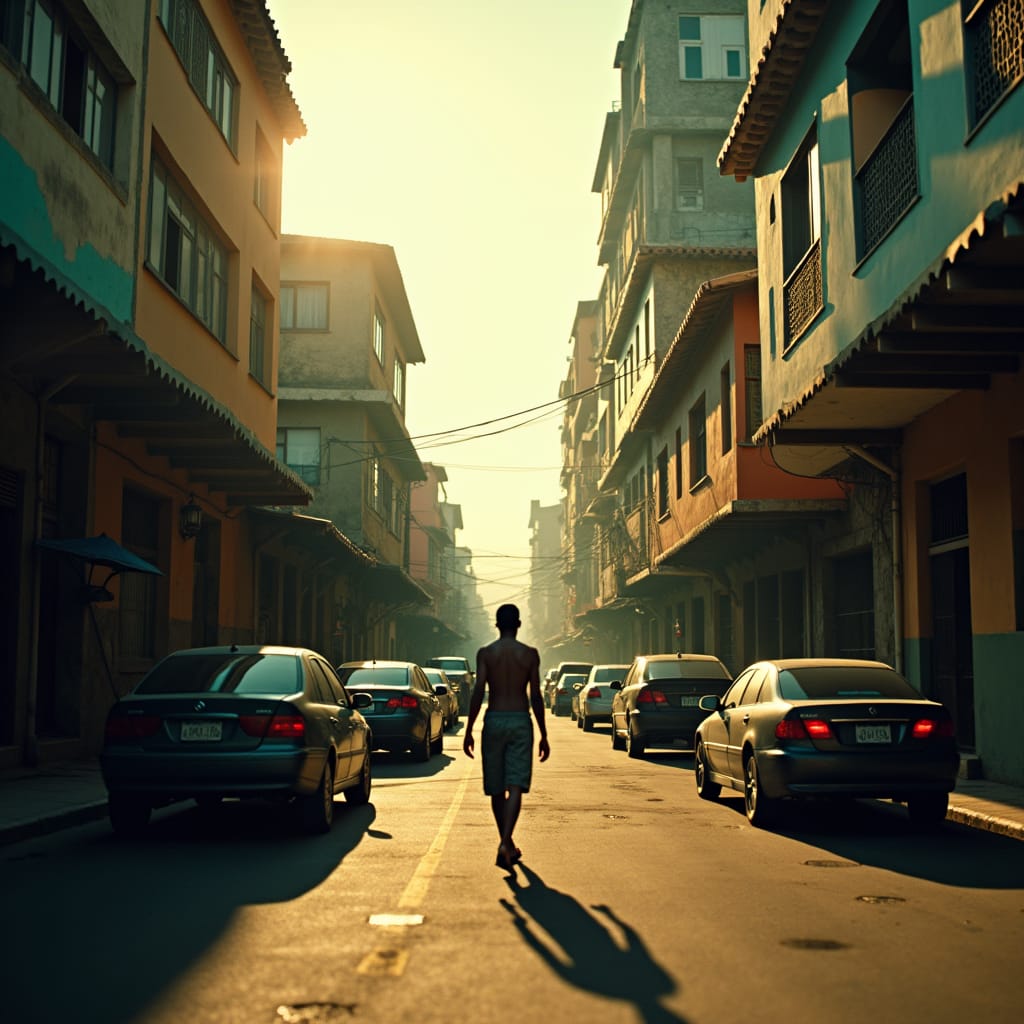
From the moment I arrived in Jamaica, and felt the warm fresh air, I knew this place was special. I could see the hundreds of buses mixed with the thousands of people who were trying to get to their resorts. Behind all of them though, lay the beauty and the real reason why my family chose to go to Jamaica in the first place: the beautiful blue water mixed with the bright green seaweed. Although this place looked perfect, I quickly realized that the residents face serious poverty. When we were getting driven past all of the resorts I started to see hundreds of broken down homes with people living in them. The farther out you looked, the worse the conditions and houses got. This was caused by the effects of climate change mixed with the effects of neglect from the government.
The one thing I did notice that connected to Terry Tempest’s interview was, many people seemed to be smiling even though they were in terrible living conditions. About climate change, Williams says, “This is more than an ecological crisis or a political crisis. It is a spiritual one.” I believe this because the fact that people can witness others and tourists thriving while being pushed back and ignored by the government is truly incredible and takes a lot of heart to take it all in. I looked deeper into Jamaican history and why they are under such poverty and it is because of past decisions by the government. Back in the 1980s Jamaica had taken many loans from other countries and since then, the government has still been facing the consequences of it. The World Bank notes, “Jamaica has been burdened by a high level of debt for decades.” On top of that, they also said “Jamaica has been among the slowest growing economies in the Latin America and Caribbean region with persistently low productivity growth due to a weak business environment, limited innovation, and human capital constraints.” After hearing this I wondered if maybe this was all due to the isolation/location of Jamaica. I started to feel guilty for traveling to Jamaica as I thought that I was insulting the locals by staying in a high end resort. It turns out that tourism plays a huge part in Jamaica’s GDP and employment. In fact “Tourism directly employs 175,000 Jamaicans and generates indirect employment for another 354,000.” according to Visions2030 program. This was a relief to hear but still does not justify the living conditions of the local people. After all, according to https://debtjustice.org: “With GDP per person of around $6,500 it is considered an ‘upper middle-income’ country,” it just goes to show that the local Jamaican people truly love one another and take pride in their cultural land. As well as not seeming to prioritize money first anymore which makes me feel like the country is like no other.
I truly believe that they are savoring what remains of their homes and land before it’s gone for good and they need to move or restart. This also connects to what Terry Tempest Williams said in the interview: “Before we can save this world we are losing, we must first learn how to savor what remains.” This almost perfectly sums up my thinking while driving past all of these people. I wish I could have gone back to talk to them but I was advised not to by my bus driver, who said that people in poverty are seen as a “danger to others.” I find it really difficult to wrap my head around the fact that my family could stay in these tall luxurious resorts with long stretches of beaches and water parks, while there are people who are struggling to make money. The locals struggle to make ends meet for a variety of reasons, but a major one has to do with the effects of climate change. These effects are things like hurricanes, droughts, floods, and agricultural disruption. All of these things create damages to homes, difficulty finding food, and requiring more attention to the locals in a very tourist-prioritized environment.
I feel like a change is completely possible but more people need to notice these issues rather than looking past them. Terry Tempest Williams says, “I feel that if we can pay attention, we will know what to do. If we are present, we will know what actions are needed.” Williams’ words are a perfect example and motto of how we can rebuild broken down places. We are in the present and have noticed these issues and if we wait then we will go thinking “if only we did something sooner.” The reason why I have these feelings for this country is because. I have a love for the feeling of place that Jamaica had to offer to me. I felt personally connected and attached to this place and felt connected to the problems and changes that they have to go through. Williams says, “I had understood the effects of climate change from an intellectual level for a long time, but this was the first time I felt it in a much deeper, more personal way.” I feel like I can relate to what she said because, usually I hear and see climate change as something that just goes on but in this case I felt like I was witnessing its effects first hand and wanting to help prevent it.
After rethinking about my experiences and connections I’ve made with Terry Tempest Williams’ ideas and climate change, I am left wondering about what other countries are facing these same problems. I think that in the Jamaican case, there is an obvious problem that is just being overlooked and ignored. This change could happen but it definitely has to do with a combination of people and their voices and a possible change in government. My final image and thought that I still look at today is a picture of my family standing on the beach of this beautiful island that deserves support.
Ocean Park: A Place I Call Home – Annabelle Lekstutis

Connection to place is such a meaningful thing. For me, Ocean Park, Maine is that place. The town sits thirty minutes outside of Portland, the capital. It is nestled on the shores of the Atlantic, where you have to let your body get scorching hot to handle the freezing water. I feel a profound connection here, having grown up vacationing at this special spot since I was born. My deep relationship with this place directly relates to Terry Tempest Williams’ words in both an interview she gave with NPR and her essay, “Terry Tempest Williams and the Refuge of Change.”, as both emphasize personal reflection and deep ties to our environment.
The little town of Ocean Park is mystical. As you stroll through the streets, the gentle sound of waves crashing against the shore fills the air, blending with the laughter of children playing in the sand. The “Soda Shop” is the hot spot where my cousins and I get comfort food and chocolate ice cream. The salty breeze carries the scent of the ocean, mingling with the sweet aroma of freshly made waffle cones and savory chicken tenders. Walking through Ocean Park will make you never want to leave. Williams captures this essence of a place by stating, “To know a place is to understand its stories.” This sentiment resonates with my own experiences, as each visit to Ocean Park unfolds new memories and deepens my connection to this cherished landscape. It reminds me that love for a place often stems from the stories it tells through its sights, sounds, and scents.
Walking through this blissful town is so peaceful. You can tell it is filled with community. The town square invites you with its lush green grass and pink flowers carefully planted in the planters. The gazebo at the center serves as a gathering place for community events and is also where my cousins and I would once scooter around, playing tag, and having fun. Throughout the interview, I kept thinking of this special place where my eyes burned and my skin turned red because I would be crushed if I was ever not able to go there. Williams states that “grief is a form of praise,” highlighting our profound love for places we risk losing. My connection to Ocean Park is rooted in both joy and a sense of urgency to protect it, reflecting how love can inspire advocacy and stewardship for the environments we hold dear.
As the sun sets over Ocean Park, the sky transforms into a canvas of oranges and purples, casting a warm glow over the town. “Illumination Night” is a yearly tradition that happens on the first Saturday in August. The town comes together to assemble lanterns throughout the square and volunteers pass out candle sticks to everyone. The whole beach is filled with light. I cherish the tradition of little holes being created on the beach for families to place their candles together. This tranquil beauty often evokes a sense of gratitude within me, reminding me of the fleeting nature of moments we take for granted. Williams beautifully articulates this sentiment when she notes, “We need to grieve in order to move forward.” This echoes my feelings toward Ocean Park, reinforcing that our love for a place is intertwined with the awareness of its fragility. I think of Ocean Park as somewhere I would like to bring my kids one day, in hopes that it would remain how I always have pictured it. Recently flooding has occurred and people are having to rebuild their homes. This summer, a whole house was re-designed on the main street. This house was completely remodeled due to flooding that happened in the spring. If climate change continues to be prevalent in our world, Ocean Park, and other small coastal towns like it, will be transformed. The connection I feel here urges me to cherish every moment and advocate for its preservation. This past January, Ocean Park faced the issue of flooding. The town had to do community clean-ups, and house renovations because of the damages. Climate change is hitting the places closest to our hearts, and we need to recognize the fragility of our special spots.
Reflecting on my connection to Ocean Park, I realize it’s not just a spot on the map; it’s a huge part of who I am. The sights, sounds, and stories wrapped up in this place shape my identity and fill me with a sense of responsibility. Terry Tempest Williams’s words remind me that recognizing how we feel about a place can push us to protect it for the future. As I think about my love for Ocean Park, I hope others will take a moment to think about their connections to special places and how those ties can inspire us to take action. Ultimately, our love for the places we call home can be a powerful force for both change and preservation, especially in a world that often feels so unpredictable.
 Burlington City & Lake Semester