In the early weeks of each semester, BCL students spend time backfilling their knowledge of local history. Understanding the past is essential, since we have all inherited decisions made by those who came before us. But somewhere around the 7th or 8th week, a subtle shift is underway. Not only are we investigating the past and identifying current issues, but we are also considering the future. What will future residents think about decisions being made today? Will they be celebrated, or condemned? What direction should the city be headed? What is possible? And what decisions today will help manifest the future we want?
The best way to ask these questions is in dialogue with community partners. Across the city, in every conceivable sector, professionals are charting the future, and they both welcome and benefit from youth voice and perspective. BCL has always believed that the most authentic and sustainable decisions are made with young people at the table. Not only is it their future that is in decision-makers’ hands, but students also have unique insight and wisdom to offer.
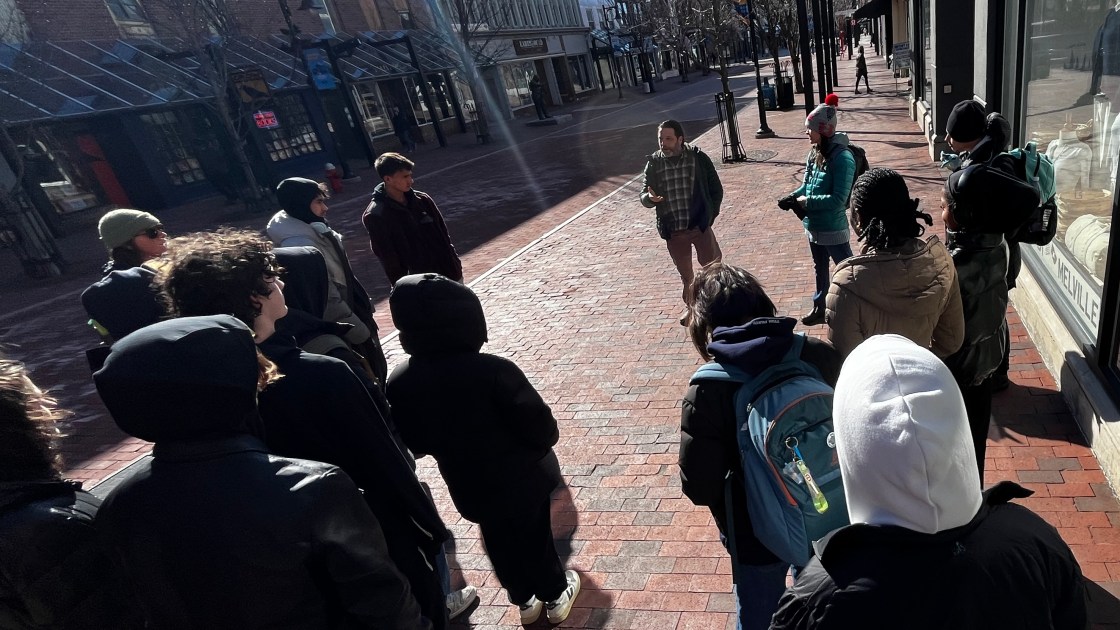
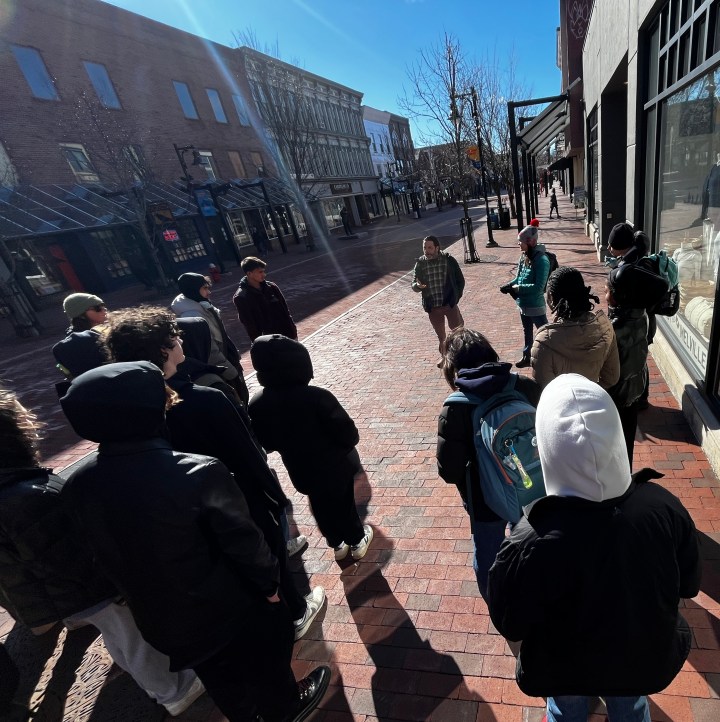
One place that is ripe for questions that bridge past, present, and future is Church Street, the city’s pedestrian marketplace and shared commons. Today’s high school Juniors and Seniors are old enough to have seen noticeable changes themselves to Burlington’s downtown. But they are also curious to talk with those who take the long view–into the past, and into the future.

It’s empowering to know that people are rally listening to you. I think that BCL is actually making a difference. I also think that it is refreshing to mix all of the different ideas about the future of Burlington.
- Eli
I think it’s really nice to be able to have a voice, and I love that they way to hear what I want to say.
- Sokhna
I feel like my voice is very valued after these consultancies. To have talked to SEVERAL different people and offer our constructive opinions and to know that they are truly listening and looking for our feedback is awesome to know and sit with.
- Harper
It feels so amazing to help the city I lived in for years.
- Tyler
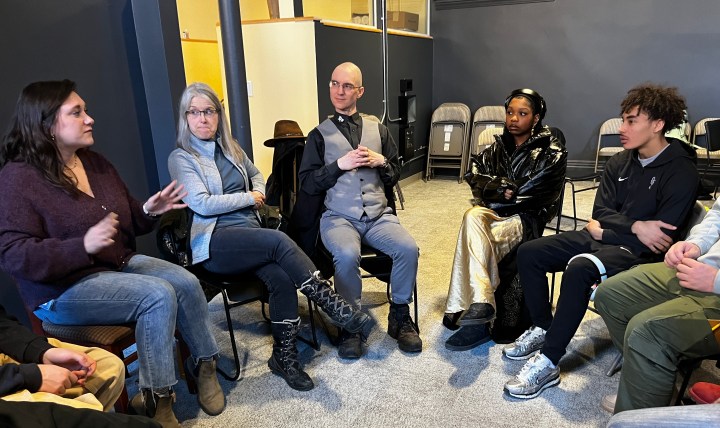

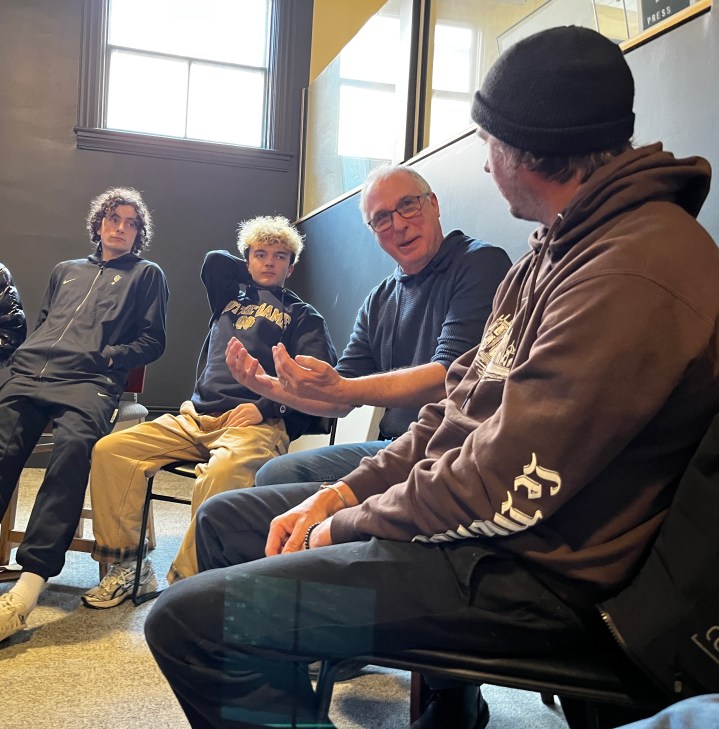
It feels fun to be apart of my city’s future. I don’t know if I will live here when I’m an adult but if I do, I’m sure it will be filled with some of our classes ideas. I also hope our ideas can better Burlington’s culture and feel.
- Quinn
It’s really nice. I get to express my opinions while possibly making changes to the future. It feels really good to know that I’m making changes that’s going to improve the city and its future.
- Jude
It’s been really interesting to learn about how I’m going to have an impact on the future of Burlington. It’s really powerful that my opinion matters so much.
- Amelia
I feel like we’ve been more impactful. It makes me want to be able to consult on my own neighborhood–the Old North End. Still, I like having my voice heard even though it’s mostly about other parts of the city.
- Kali
After engaging with a variety of community partners about the future of Church St., students turned their attention to the New North End. This Burlington neighborhood is relatively new, having been built after the Second World War. Similar to many mid-century developments, it was designed more for efficiency and car transit than for community-building. The city of Burlington is embarking on a multi-year planning process, and invited BCL students to step into the dual rose of stakeholders and consultants.
With the help of City Planner Sarah Morgan, we began by immersing ourselves in what it means to see the city through the lens of urban design. Next, students toured the New North End, investigating both themes and policy related to housing, transportation, zoning, development, commerce, and community. Finally, students met for a full morning design charrette with representatives of the city’s Planning Office, Public Works Department, and Parks, Recreation & Waterfront Department. Working with a variety of partners allowed conversations to touch on third spaces, transportation infrastructure, open space and community vitality. Students felt heard, and our professional partners walked away with valuable insights that they couldn’t have harvested otherwise.
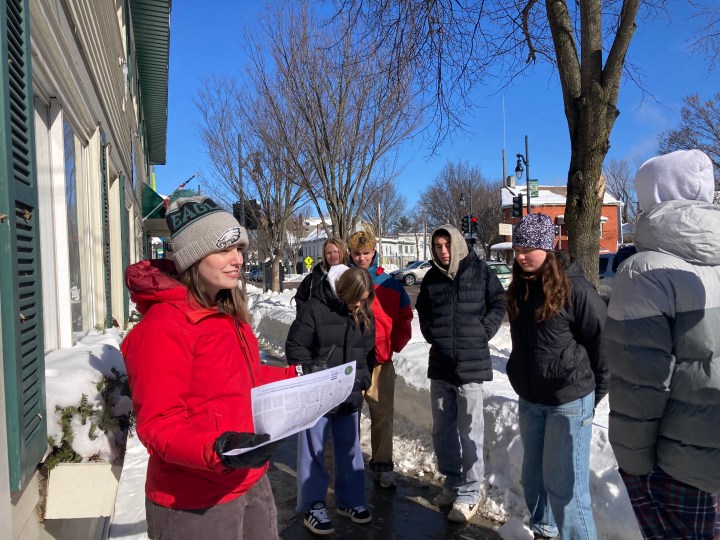

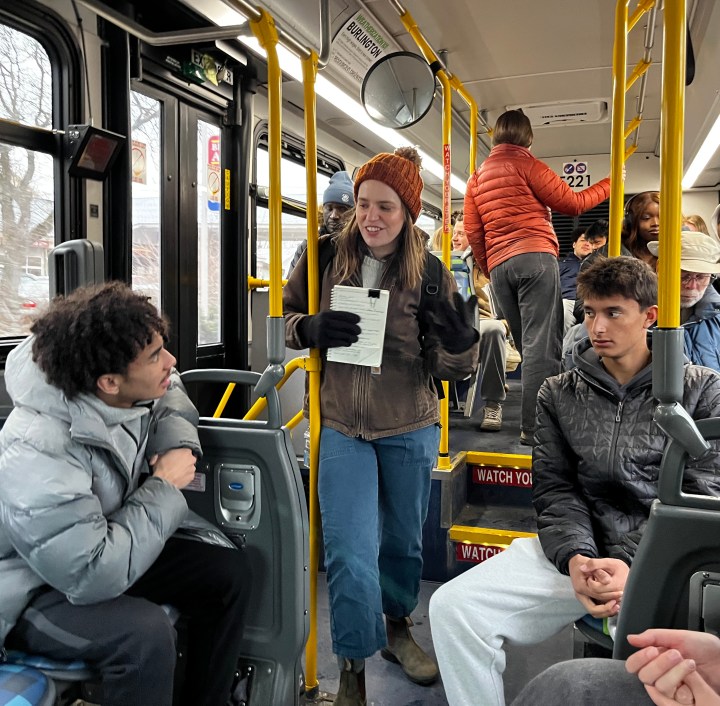
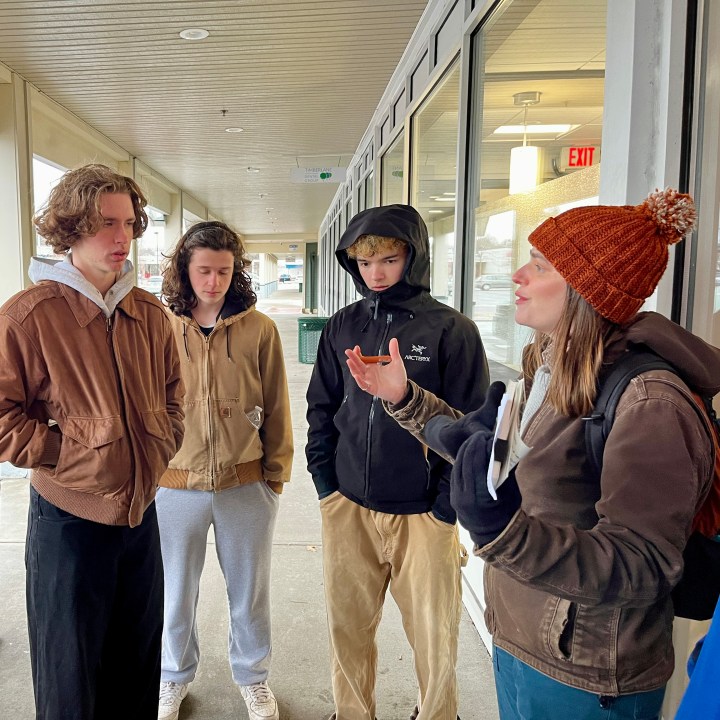
After spending the day with the two wonderful community partners down in the New North End, the place I call home, I gained insight on what we might need to do to change our home as we adapt to Burlington’s changing environment. It also feels like I am making an influence. It is reassuring to know that citizen voices go into the actions.
I never realized it until one of the community partners pointed it out, but there isn’t any place to get clothes on this side of town. Yes there is a grocery store. Yes there are some parks. Yes there are schools. But some people want more to make this part of town feel more special. That is where we stepped in. We helped brainstorm ideas and give input on what we think would be possible changes to make the New North End a more welcoming and efficient environment.
- Hayden
During our meetings with Sarah Morgan, from the City Planning Office, we discussed the design and state of the New North End…and pondered the ideas of third spaces and their importance to a community. Something that is very important to me is avoiding waste and being efficient. I feel that constructing new buildings now is not the answer to improving The New North End, I believe we should maximize the infrastructure we have now and see how the community reacts.
Repurposing old spaces will be nostalgic for adults who have lived in Burlington for a long time, and recreation will be appealing for young people because it gives them a space to have physical/creative freedom that cannot be found within their homes or school. With that being said I am left wondering: How do third spaces help construct the development of youth in our communities? How do third spaces bridge cultural and economic gaps within communities? And In what ways do third spaces create a sense of belonging for everyone within a community/society?
- Eli
My third place in the New North End is Leddy Arena, because from October to March I’m at that place six days a week. It’s just a getaway from reality, a place where I can be at peace and forget about everything. Even if its a 6am skate or 10pm ice time…it is still an escape and a way to be at ease.
But there are plenty of unused spaces there, such as the empty parking lot. I’ve only ever seen it full one time and I think there should be many other uses, like the South End Get Down — a street party. It’s also hard to think of the New North End as a 15-minute city because the only place open past 9pm is Hannaford’s. I think more places should be open past 9pm, so I wouldn’t have to go all the way to South Burlington jus to get a bite to eat.
- Keshon
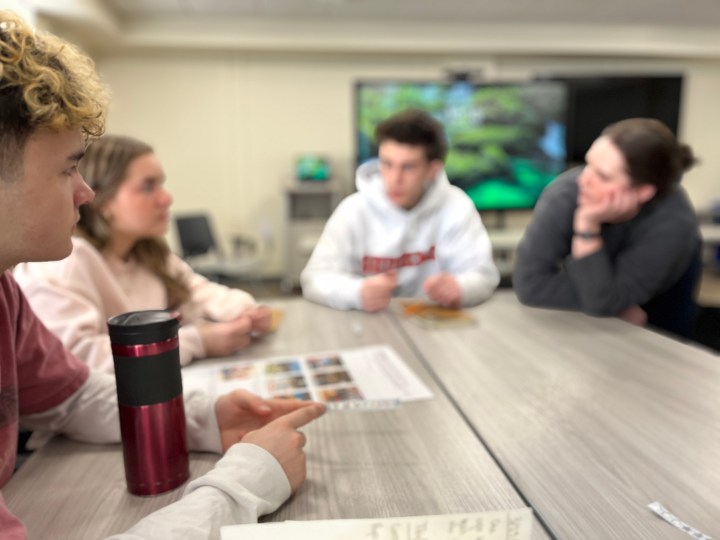
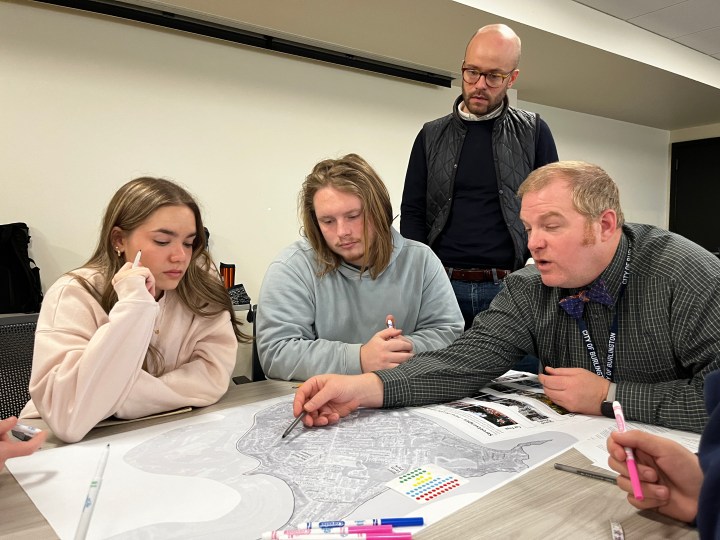
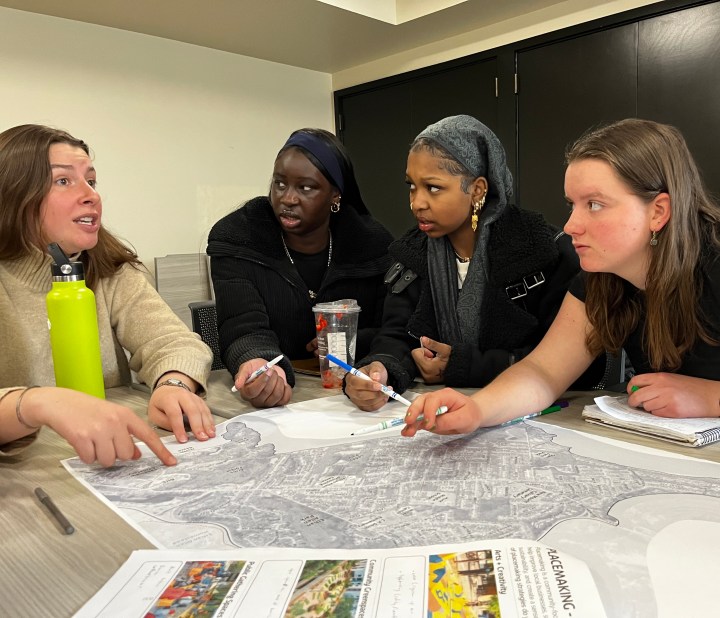
When we met with planners at City Hall to discuss the future of the New North End, they shared new insights from our recent neighborhood tour, focusing on adding third spaces, and improving transportation and housing. As we discussed third spaces, I thought about how unsocial people have become since the pandemic, myself included. Returning to school after COVID, I was silent, and even teachers didn’t encourage discussions. I eventually grew out of it because I physically can’t stay quiet, but I still see many others struggling with socializing.
There’s a loss of connection when we replace real interactions with screens, a loss we clearly felt during COVID. This entry stands out because it highlights how the pandemic has impacted our ability to connect with others. It makes me realize how essential physical spaces are for fostering social interaction.
- Nasra
One of my suggestions during our consultancy about the NNE was controversial, and I knew it would be. But if a suggestion doesn’t push the boundaries then is it really suggesting something new? My idea was to make part of the bike path a shared street by the neighborhoods. That way bikers and walkers are still welcomed but cars have another way of travel instead of just North Ave. In my journal, I wrote that we need “more mobility, possibly on the bike path, making a shared street and adding some business along the street.”
Even though there was controversy before the bike path was implemented, they still did it and now people want to keep it. This shows humans can be very indecisive on what they want and sometimes changes should be made either way.
Overall, these activities felt great and have allowed me to think deeper than I thought I could about a space I might not use or know.
- Byron
Nowadays, it’s easy to get lost in social media and online content, but people should make an effort to spend time in real places where we can meet people. In a TED talk I watched, the speaker said “Without a third place, we risk losing the very fabric that holds communities together.” The world is stronger when people connect beyond school or work.
During our conversation at city hall with Burlington’s city Planning Team, I talked about how I think the Ethan Allen shopping plaza should be turned into a “hub,” with more businesses and restaurants. Adding more businesses and restaurants would make it a busier place where people could hang out. It would also create more jobs and help small businesses grow, which would be good for Burlington’s economy. People would have more places to shop and eat without having to go downtown. If there were better sidewalks, bike lanes, and buses going to the new hub, more people could get there without needing a car. This would be better for the environment, help create a walkable neighborhood…and give people more reasons to stay in the New North End and create a stronger community.
- Quinn
I remember my parents moving to the New North End when their were barely any businesses on North Avenue, and the street didn’t have bike lanes. My parents moved into a mobile home in the New North End. It wasn’t the best home but it was home. After the owner of the mobile home sold it in 2019, my parents had to move out. Soon it was the beginning of 2020, and the COVID-19 pandemic happened.
There are many solutions that the New North End needs. First, build affordable housing in areas around the New North End that need it the most. The more affordable it is, the higher the possibility of more people wanting to rent it. Next, build affordable apartment complexes in overcrowded areas that are doing poorly in terms of income.
We should also put a policy in place that protects forested areas from being removed for expansion of the New North End.
- Tyler
Another opportunity to help envision the future took place at a location familiar to many of our students — the Fletcher Free Library. For years, the library has had a teen collection and a teen space, but struggles to fully activate these resources. It’s a challenge to create the conditions for teens to engage with the library…but who better to offer insight than teens themselves?
BCL students spent 90 minutes with Youth Services Director, Megan Butterfield, and Teen/Tween Services Librarian, Miriasha Borsykowsky. Together, we explored third spaces, mapped existing library assets, and probed the barriers to increased youth engagement.
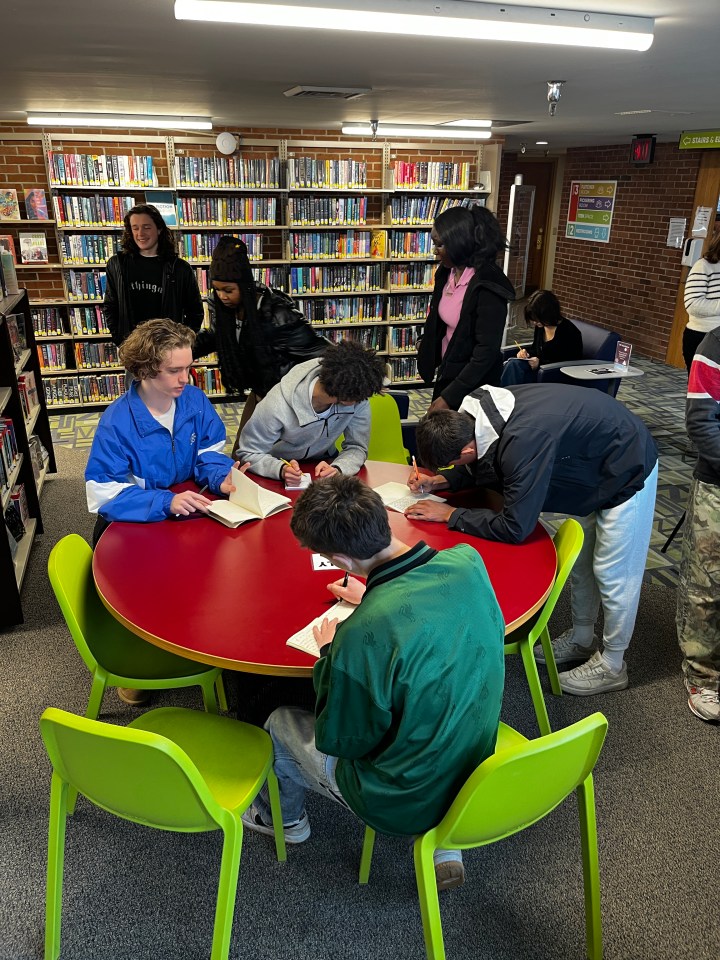
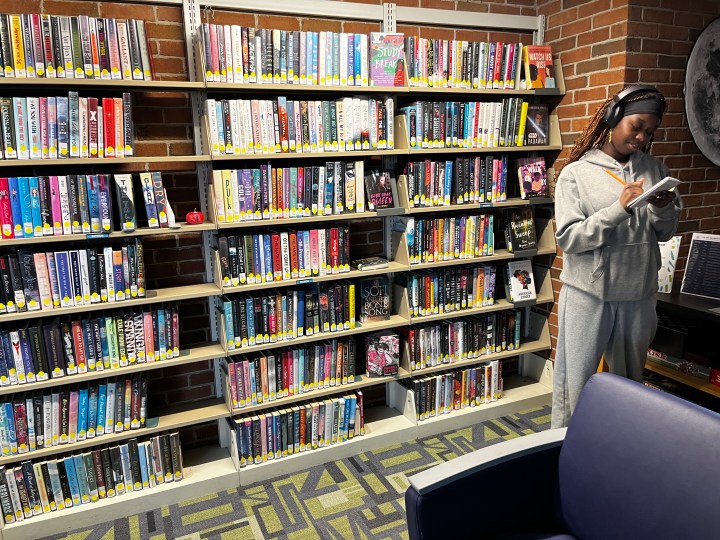
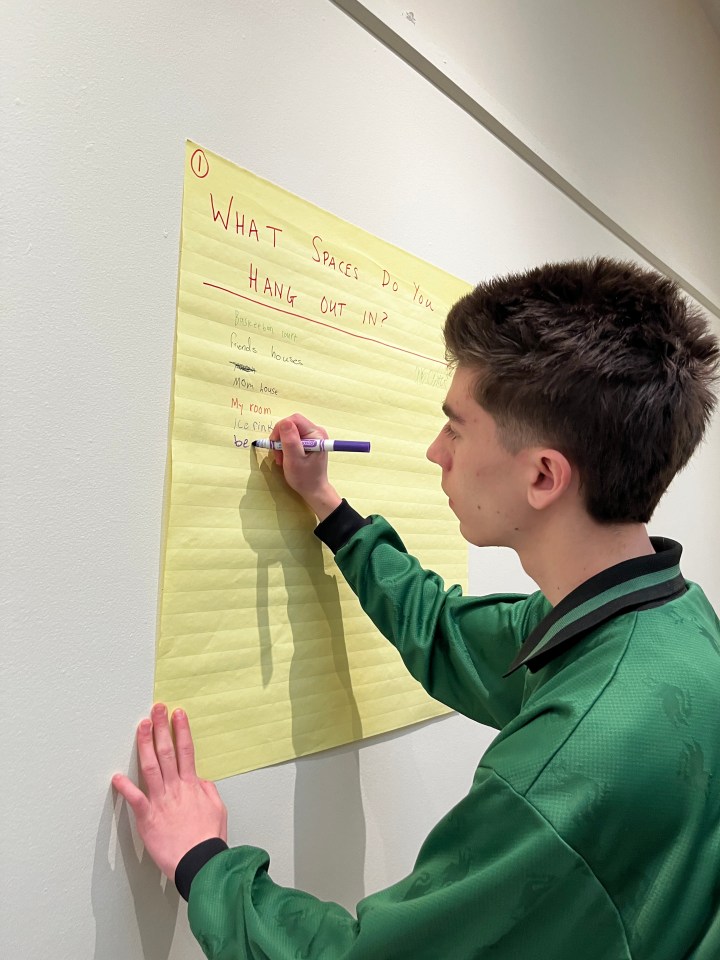
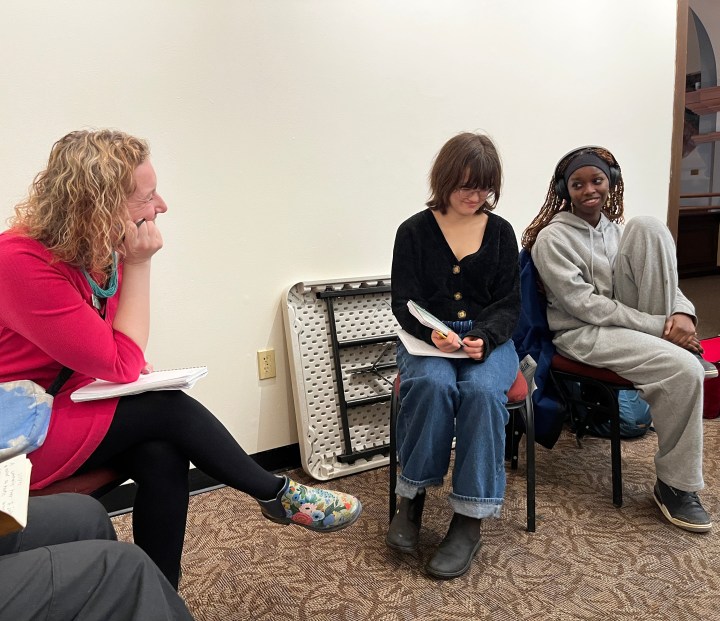
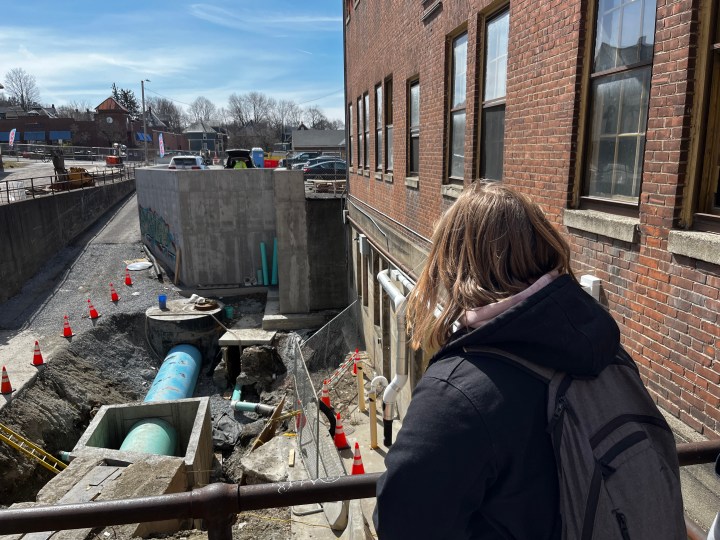
I grew up going to Fletcher Free Library. My mom and I would spend hours in the kids section, and then later in the middle grade section. Every time, I would end up with more books than I could ever read by the time they had to be returned…While I have stopped spending hours at the library, I still feel at home enough there to call it my third space.
Many libraries are trying to build community amongst young people, [and provide a place for] friends to gather in libraries, or just stay a while and finish school work. Libraries also host events made for teens that are themed to shows, books or games, with snacks and activities. Often the only problem is getting a high attendance, as sports and other things become the priority. On the other hand, libraries can both be a place of learning and connecting as well as a safe space. When I think about how the library has helped me become who I am… I am open and kind, and think from all perspectives because of the books I read and the people I interact with at the library.
- Amelia
The concept of third spaces especially for teens is very interesting to me because I know the struggle of not having anywhere to go… In the Le Sabre article there is a quote: “Most teens have resorted to driving around and hanging out in cars, which is unsafe and can get expensive.” This has happened countless times to me because there simply is nowhere to go that we can just relax and hang out. I also understand why it’s so difficult to make a likable third space for teens. Most teens don’t want to be seen as teens. They want to be adults, and would rather do adult things, so if you cater specific spaces towards them, there’s a large likelihood it won’t get used because it seems childish to be used.
It’s hard to explain why this happens but even more hard to give an answer to how to fix it. During the consultation at the Fletcher Library I tried to express this because personally I don’t think a “teen area” is a fix to this. I think if they work harder on making the library more welcoming to teens just in general they would be more likely to come and then also add specific workshops tailored to them… Essentially if you push teenagers to do anything too much they just won’t do it even if under normal circumstances they would’ve. If communities want third spaces for teens they need to make them accept teenagers and get the first group to come and then more will come after, but don’t make it a big selling point because then it seems artificial and corny.
- Finn
Yet another context for co-designing the future took place at Burlington Technical Center, where BCL students spent an hour with BTC Director, Jason Reed, and Assistant Director for Adult Education, Cynthia Holt. Both groups had spent time preparing for our consultancy, and thanks to the use of a consultancy protocol, our time was focused and efficient.
Our hosts were deeply interested in students’ perspectives on the potential opportunities and challenges of having the new BHS/BTC function as a “community school.” The session was aimed at offering context, color, insight into an expansive question: “How can we ensure that the community education program we develop at our new campus will not only a) meet the needs of our diverse community, but also b) feel welcoming, accessible, and energizing?”
BTC leaders took their consultants seriously, and BCL students rose to the challenge. They were attentive and professional, and both broadened and accelerated their dilemma-bringers’ thinking. The entire room felt generative and purposeful, and it was clear that students’ insights would have lasting impacts on the design of educational programs.
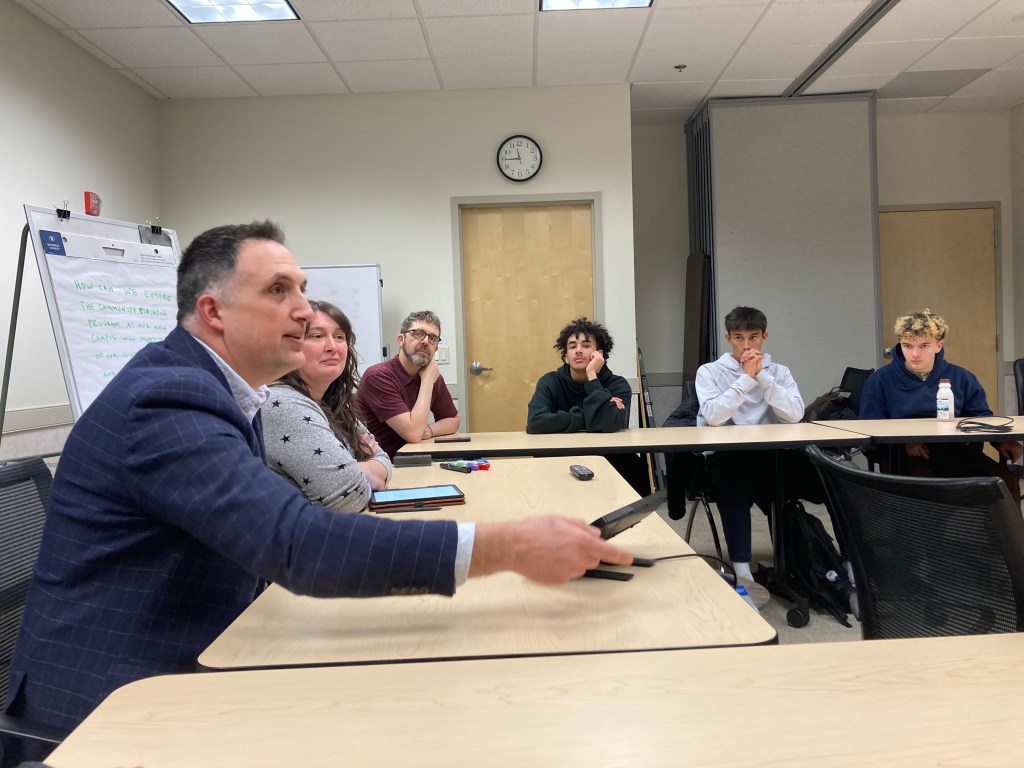


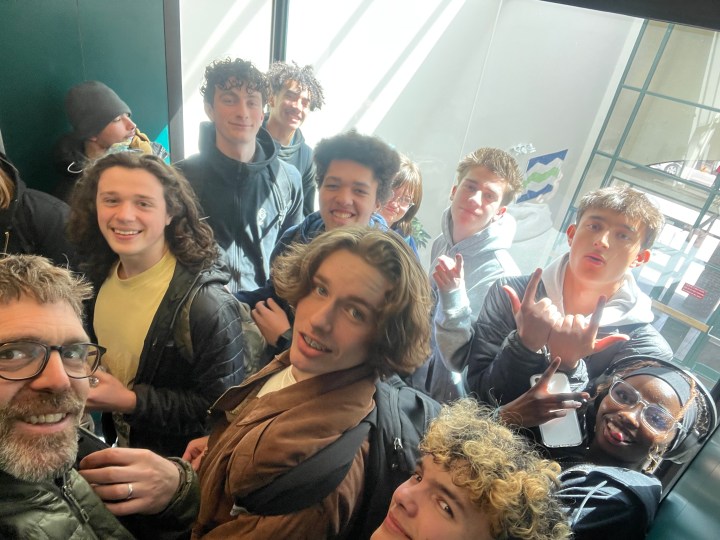
In our consultancy at BTC, we learned [that] when the new BHS will be built there will be opportunities on how we can utilize the building beyond the average school day.
In the article, What Are Community Schools?, the author writes about how “partnerships with community organizations and businesses broaden the educational and experiential scope of learning making the school a hub of community activity.” This is such a big step away from traditional school, but it really does help the community… I think figuring out the logistics to make it all work might be difficult, but overall a community school is a brilliant idea. It is also very important we give back to the city who helped pay for the school itself.
- Hayden
In a journal entry, I wrote the following: “Our experience today with the leaders of Burlington Tech Center was one that was really important to me for a variety of reasons. Firstly, I really enjoyed this discussion because it felt like I was making a real impact by talking to people with huge influence on the future generations of BHS and BTC students.” This is something that is important to me because I can engage a lot better with my learning when it is something that I can clearly see the impact of. I found myself wondering, why it is so much easier to learn when you can see the impact of the learning?
Overall, I would like them to keep in mind the idea of making the schools open to all people. I think it is important to market it equally across all demographics, and ensure that people of all backgrounds and ages can further their education.
- Jimmy
I would like to see a full online opportunity for BTC. I think it would elevate the accessibility and it would help people who don’t speak English well.
- Eli
I want to see this community school idea become a real thing. I really love the idea of it and actually want to see this happen. Not only will it be benefiting to community members but also to our students and the future students coming up.
- Keshon
Through all of these experiences, it feels empowering as a student to be able to have a say in what my city could look like in the future. Our age group often gets overlooked because we are less likely to show up to consultations, but we also use the city a lot. By being able to share our values, we can influence the future of the city for future residents…and and our schools can look like what we want them to for future high schoolers.
- Finn
 Burlington City & Lake Semester