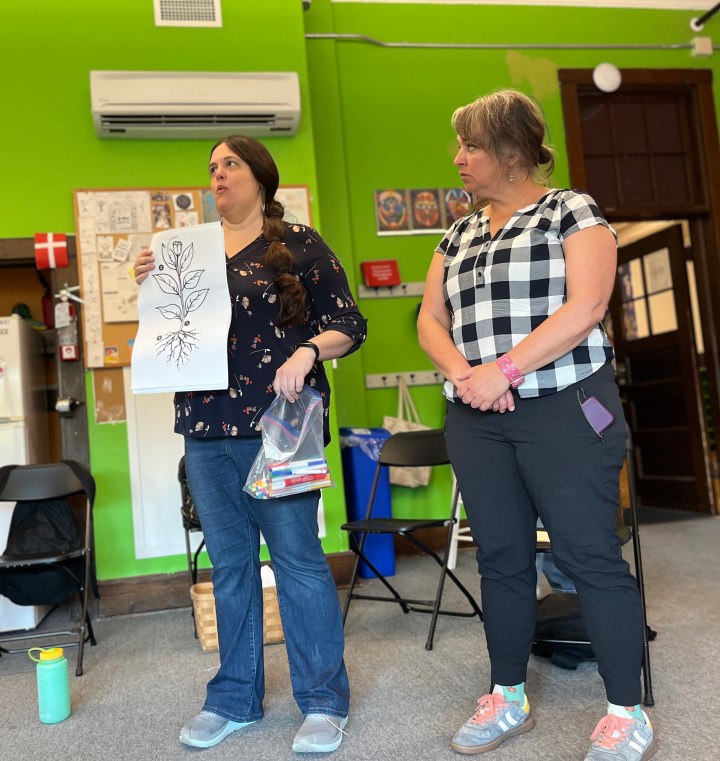
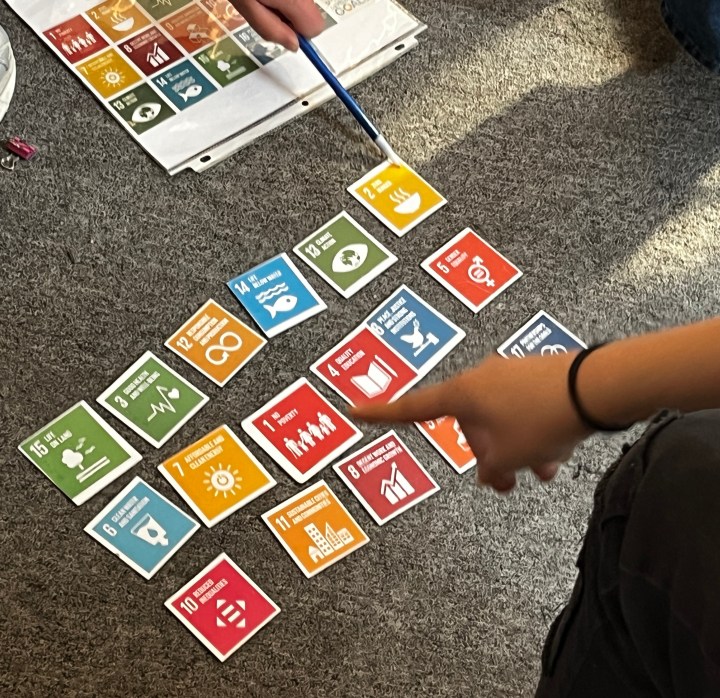
As the semester unfolds, BCL students spend more and more time applying systems thinking to complex local issues. This isn’t easy. Most of the time, the questions they face are open-ended, the variables are interdependent, and multiple completing perspectives all make sense. The fact is that in the real world, there aren’t necessarily “right answers.”
Luckily, the goal isn’t to find the right answer, but instead to widen the lens, to see how the system works, and to ask better questions. Over time, students become more and more comfortable holding multiple truths at once. This is essential when we face real quandaries, and in Burlington, there are no shortage of them.


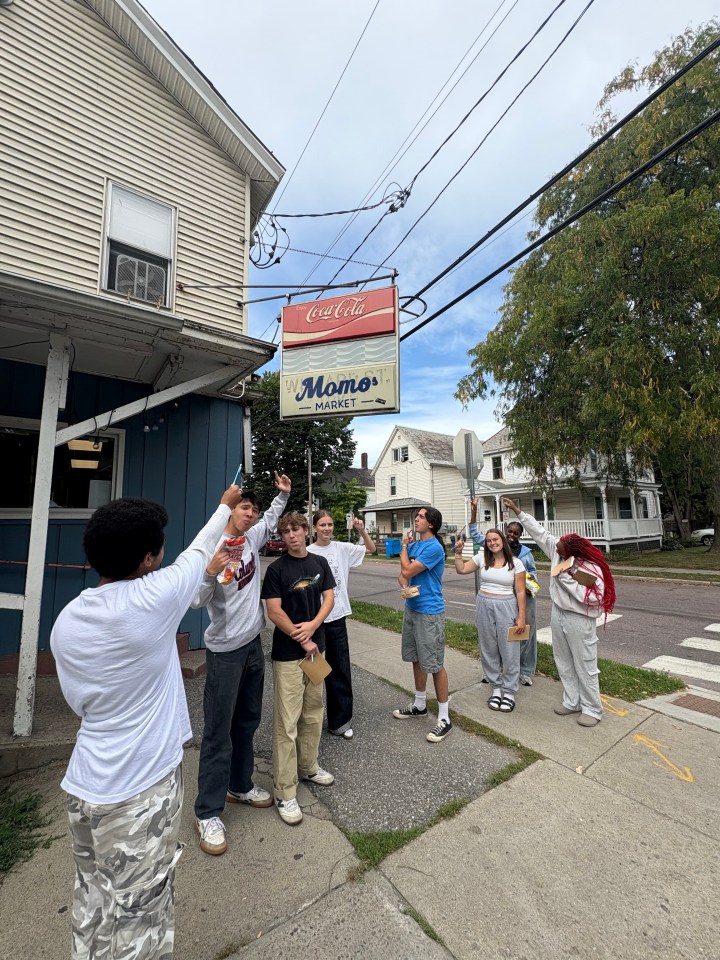

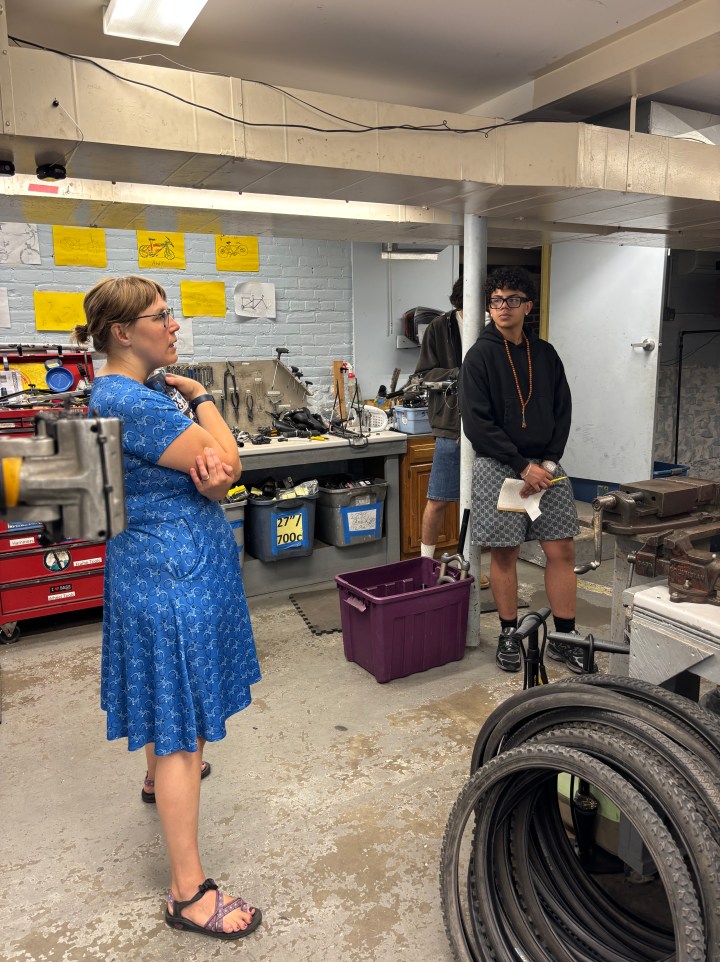
On September 17th, we split up into two groups, one group went to Momo’s market and the other to the bike shop Old Spokes Home. I chose to go to Old Spokes Home and I’m very glad I did… As a non profit bike shop their main goal is providing the youth and people unfortunate enough not to be able to afford bikes with used bikes. They do this through lots of different events and programs throughout the year. One example of this would be the everybody bikes program. This program is their main way of giving access to bikes to people who may not be able to afford them… When we asked the Executive Director of Old Spokes Home to give her definition of thriving: “ Thriving is a fair and equal economy for all.”
- Felix
When I think about what Burlington can be, what it should be, I think of Momo’s Market. Few my age remember when it was the “Willard St. Market,” cruddy and run down, a normal door laid into the floor to get to the basement. It was bizarre. Momo’s was and is such a welcome change. In my house, we do not drive to Momo’s. Instead you walk the couple blocks down to the corner. In my journal I wrote, “Going down to Momo’s never feels like a chore. It is an experience. I know the workers. I know where the stuff is that I want in the store.” As we know, there are so many things a community needs to thrive. I believe that small local markets are one of them.
I am also reminded of the conversations we’ve been having about public spaces. Momo’s market is, of course, not a public space. But it certainly feels more public than a Hannafords or Shaws. Burlington needs a wide range of spaces. Yes, we need Hannahfords and Shaws, and we also need places like City Hall Park and the Library. But we also need small businesses like Momo’s Market. They are places for people to work and to earn a living. They are places for people to gather, build community, and meet new people. Momo’s specifically runs many community events: the turkey run, the block party, and the valentine making party. In BCL Honors, we’re diving deep into a sense of place. In the essays we read, a common theme was a love of corner stores. Stores just like Momo’s Market.
- Sam
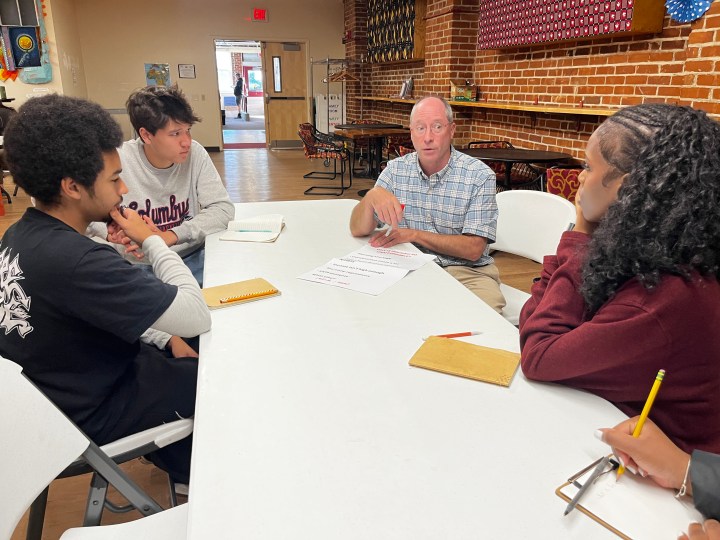
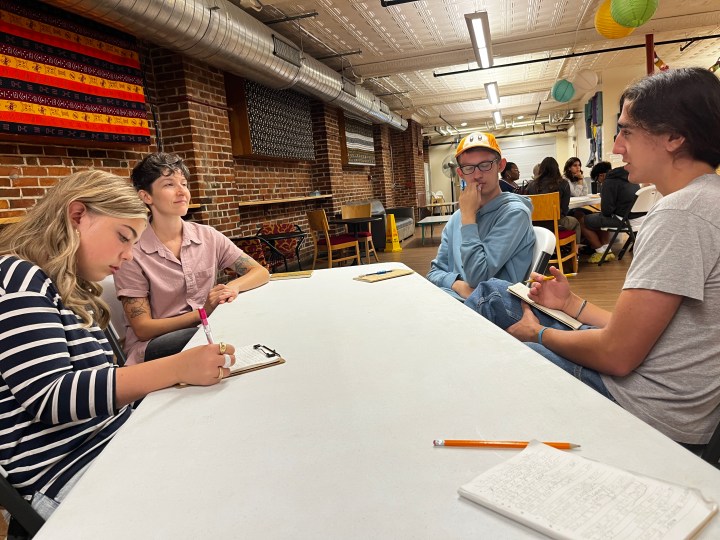

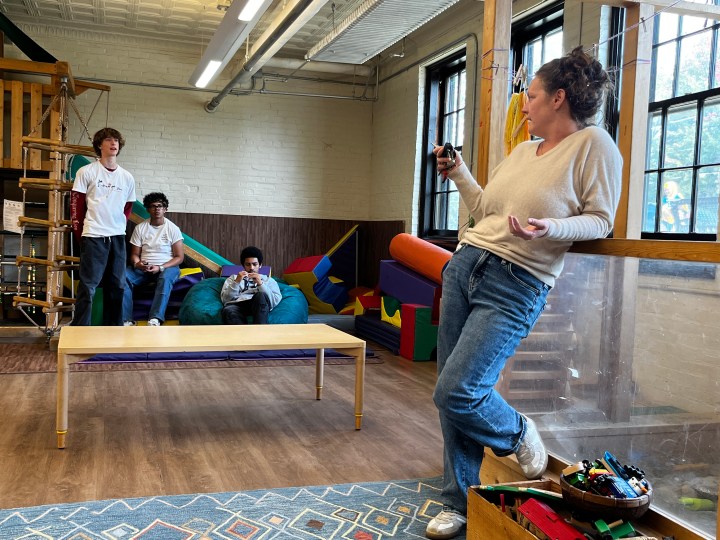
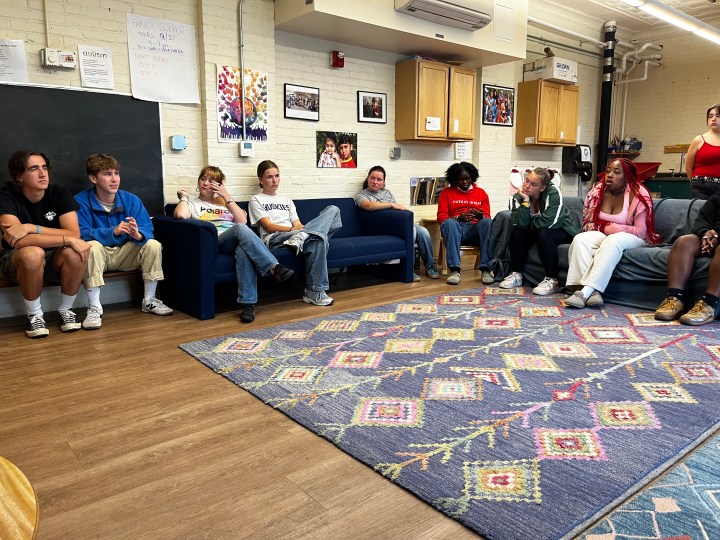
Our conversation with Dov in the classroom discussing the housing crisis was an eye-opening experience. We broke down statistics, such as the…less than 2% housing vacancy rate. Dov went on to explain that ⅓ of Burlington’s population pays more than 50% of their income on their rent. This is massive, not only for the current day but for the future. In five years, how much will it be for me and perhaps a partner to rent a house? When I grow up and hopefully have my own family, I would enjoy fully owning a house under my name, although with 60% of people living in Burlington are renters, I wonder what type of housing my future holds… Add to that VTDigger says, Vermont’s housing prices skyrocketed at a whopping 12.8%, more than any other state. Knowing this type of information, I wonder what direction Vermont housing is heading in, and whether this state is going to be sustainable to live in long-term.
- Emanuel
After talking to Neil Preston and Chris Donnelly, I am curious about how unhoused folks can get access to housing, and stay in housing in Burlington. Burlington Free Press reporter Lilly St. Angelo reported on one specific case. Angela Izzo was illegally evicted, and fell into a downward spiral and uphill battle in the housing scene. One difficulty of the situation Izzo highlighted was that “their rules change so fast that every time I talk to a different person I get a different answer — it has been frustrating as all get out.” This quote shows me the disconnect and lack of organization in the system right now. It is clear to me that such a high demand for such complicated issues cannot be accommodated with what we have right now.
- Jesse
Once we got into our small groups and began talking with different community partners, I had some meaningful conversations about how people are affected by Burlington’s lack of housing… A good example of this is when I was talking to Khalia, who works for CVOEO, who talked to us about a program where you could report examples of unequal or unfair treatment within the renting community. She talked to us about how there was an increase in discrimination due to the lack of housing. As a landlord, when you have a larger pool of renters to pick from, it creates more opportunity to choose based on your biases. This thought had never occurred to me, even though it makes perfect sense; it didn’t affect me, so I never tried to give it any thought…
In addition, one news source claims “homeless encampments on the waterfront recently doubled.” The fact that this many people are no longer participating in our system, and feel they have no option but to remove themselves from it, should be an indicator of how bad it’s getting. I recall my freshman year, when I learned about negative feedback loops in biology. I was heavily reminded of this while writing this piece and listening to some of the stories that Urban Park Rangers had to tell, especially when we discussed how slippery a slope homelessness is. We talked about how once you lose your home, a place to bathe and take care of your hygiene, it becomes much harder to find an employer or some way to make money. Many of the things that lead to homelessness often keep you homeless.
- Jamo
Neil Preston…talked about how dehumanizing the housing crisis is for chronically homeless people. He told us a story about a veteran with dementia, who had been camping for months but appeared so put-together you would never know. “These people, some of them you would never think are struggling this bad. These are humans, just statistics.” Living in Burlington, I think we often get caught up in discussing the housing crisis as just a set of numbers and percentages. However, as Neil states, “This is a humanitarian crisis.” These people need community and purpose and belonging, just like the rest of us…
The housing crisis is a human crisis, and the chronically homeless need more than just financial help. In a Vermont Public article by Lexi Krupp, a man she interviews says, “I just feel like people are looking at me funny. I feel like people are looking down on me, just because I’m homeless. I don’t want to give a s—, but sometimes I do.” This quote really reflects the point I am trying to make. Living in Burlington my whole life, I have had countless interactions with the unhoused. I once shared food with a homeless lady who had never tried raw cranberries before; she hated them and spit them out, but we all laughed at the experience. These people are not a statistic that needs to be brought down; they are people who deserve a rich and fulfilling life.
- Cal
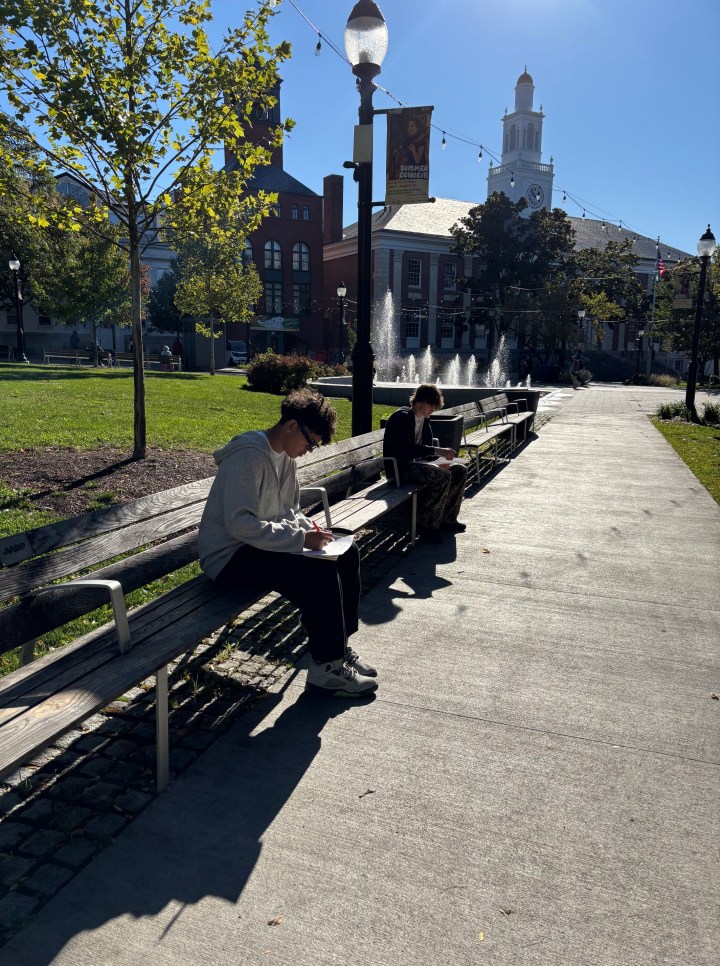
Who is the park designed for? Who is currently using the park? How does it feel to be in the space?

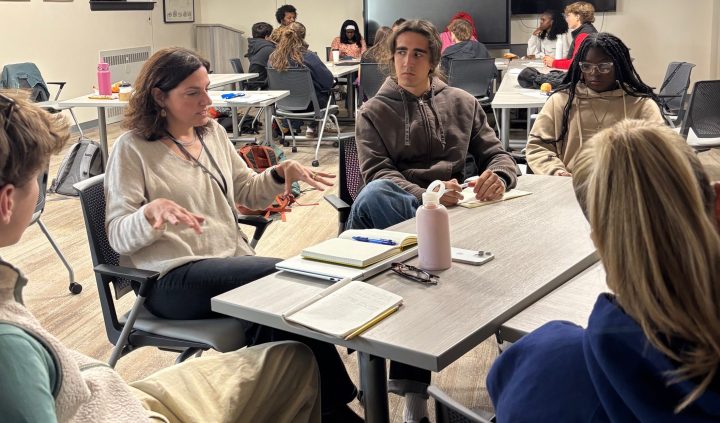
We did sit spots [in City Hall Park] and make observations in our journals. For me this included, “It’s very beautiful,” as well as, “There are people shouting.” … This was a great starting point to precede talking about policy, security and beautification in the park. Mikey, who works for Chocolate Thunder… told us many personal stories about people he helped in the park, [including] a story of a woman who was doing drugs in the park and said, “I’m so tired of doing drugs, but I can’t stop.” This offered a different perspective to me. Not only do many people who are addicted to drugs feel trapped by them, they often have no choice but to continue using them…
We also met with Kara Alnasrawi, who illustrated some of the hard facts of the housing crisis and the addiction crisis. Some things that stuck out to me were, “To recover from Fentanyl, you need 18 months in a drug recovery facility. The maximum amount you can spend in a Burlington drug recovery center is 12 weeks.” This is a hard fact for me to grapple with. People who are addicted to Fentanyl in our city, simply do not have the facilities to ever recover. As Kara said, “We are failing the people who live in this park.” This was a different way for me to look at this issue. It’s not just the citizens who are housed and feel unsafe in the park that feel like they are being failed, homeless people do not have the care and facilities they need to get housed again. Additionally there are not enough beds for people to sleep inside when they choose to. Another thing she said that I wrote down was, “The park is only thriving if everyone feels welcome in the park, no matter who they are. And that is not the reality right now.”
- Miranda

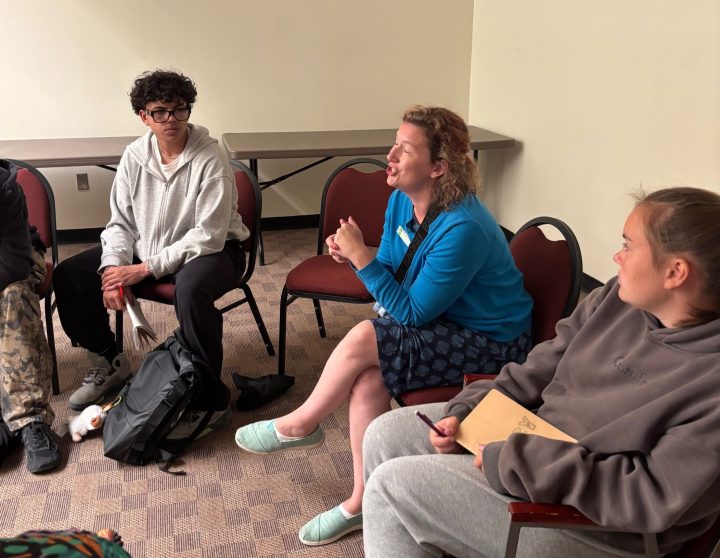
When we went to City Hall Park, we met Mikey, who talked about how he’s teaching the homeless people how not to smoke and drink in front of little kids. He said instead of them drinking in front of kids, he would get the homeless people coffee cups so that they could put their beer inside of it instead of drinking it off of the cans.
Later that day we went to the library and we were talking about how the library is a public space for everyone who needs to get their work done and because people actually mind their own business… An article I read was “Aggressive Behavior, Increased Drug Use at Burlington’s Downtown Library Prompt Calls for Help,” but when I went to the first floor, I saw little kids reading, and I was so surprised to see little kids reading with no problem. I’m happy with how they treat the little kids who visit the library. Maybe I could bring my little sister there one day. In my journal, I wrote, “Why is it better at the library than it is downtown?” I also wrote, “What are opportunities for teens to help the homeless that still keeps us safe?”
- Koleta
I’ve struggled at times to feel empathy for some individuals experiencing homelessness, especially those who have public outbursts or appear to be frequently overdosing. I feel guilty about these feelings and try not to let them influence how I treat people. In my daily life, I act with compassion. I carry extra cash in case someone needs it, and I make a point to engage with people who speak to me, rather than ignoring them. Still, I often feel uneasy. I sometimes wish I didn’t have to interact, and I feel frustrated and scared when I see someone yelling on Church Street. I also feel confused and angry that more isn’t being done to address these situations. However, my perspective has shifted during my time in BCL. Conversations with Neil and classroom activities focused on homelessness have helped me better understand the root causes of suffering and the efforts being made to support people.
Something is never “all bad” or “all good”. Burlington is a beautiful, amazing city, and nothing can diminish that. Everyone has gone through a rough patch in their life, or had a hard time. It would be horrible if people wrote you off because of that or abandoned you in your time of need. We need to lead with compassion, and work hard to find a solution for all involved…I avoided going downtown, felt unsafe when I was there, and saw Burlington in a negative way. But after my experiences in BCL, I believe the ability to change your opinion and choose love over fear is incredibly powerful. If more people took the time to see others as human, to put themselves in someone else’s shoes, and to set aside their own biases, I think the culture in Burlington could really improve.
- Harper
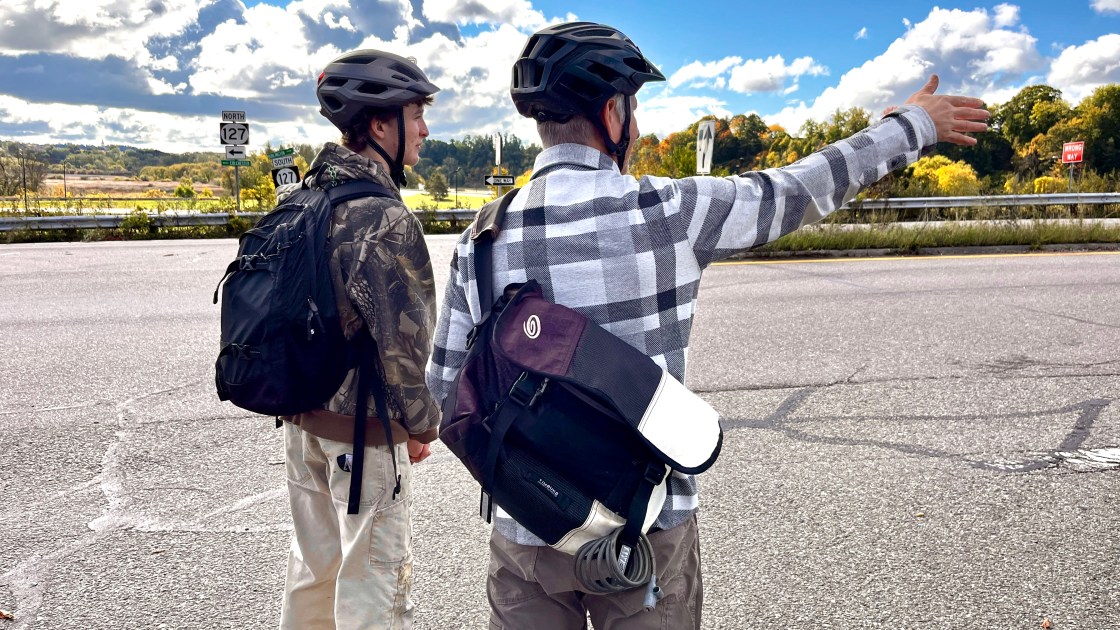
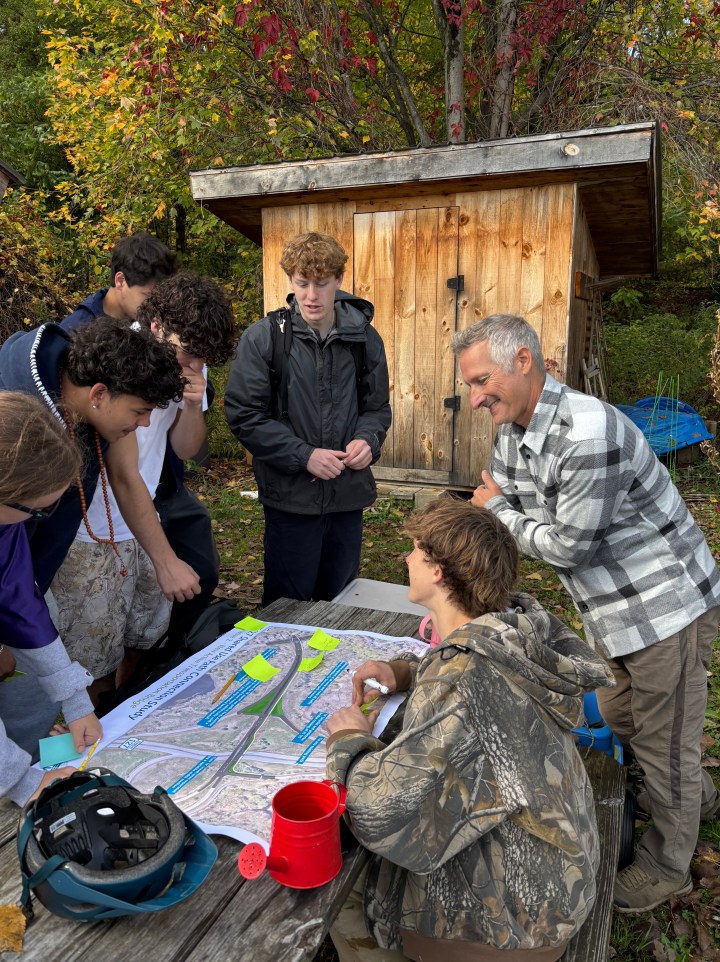
On a crisp day in October, we set out on a full-day adventure. The Chittenden County Regional Planning Commission was hoping to include more youth voice in its evolving plans for the Ethan Allen Homestead. Specifically, students were invited to share insight with transportation planners about how to ensure that Ethan Allen Homestead is accessible to all.
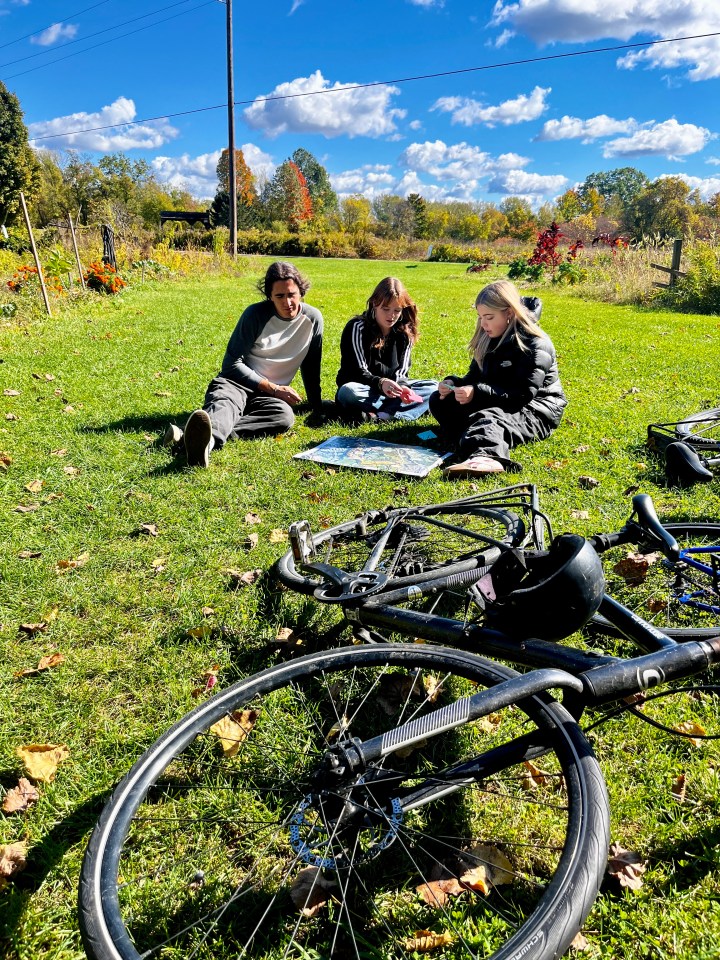
What better way to get there then, than by bicycle? It was a beautiful ride, but it was also…a long ride. What does that mean for families who want to bring their kids to the preschool? What does that mean for gardeners who need to transport their tools? And what can be done about how cut off the Homestead is from North Avenue? Before investigating maps and envisioning solutions, we needed to experience what equitable access means for ourselves.


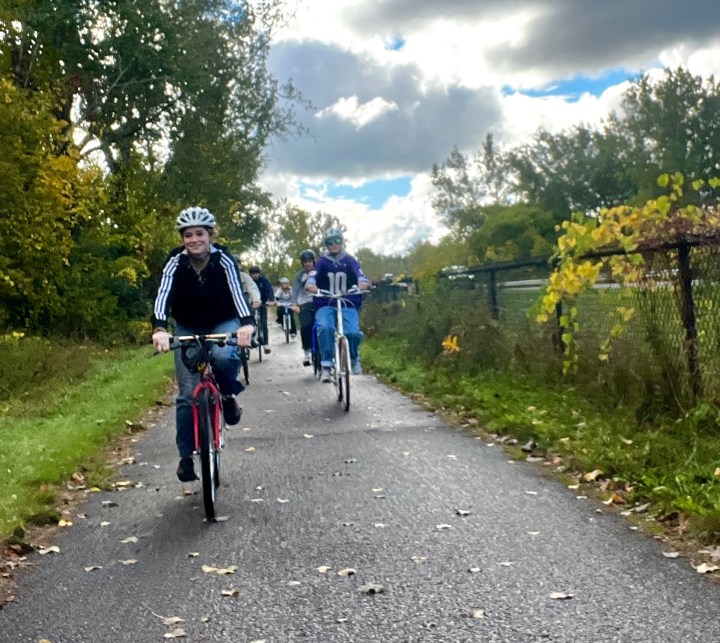
How do you redesign a “beltline” that was clearly built for cars?
How accessible should the margins be?
What should transportation equity look like?

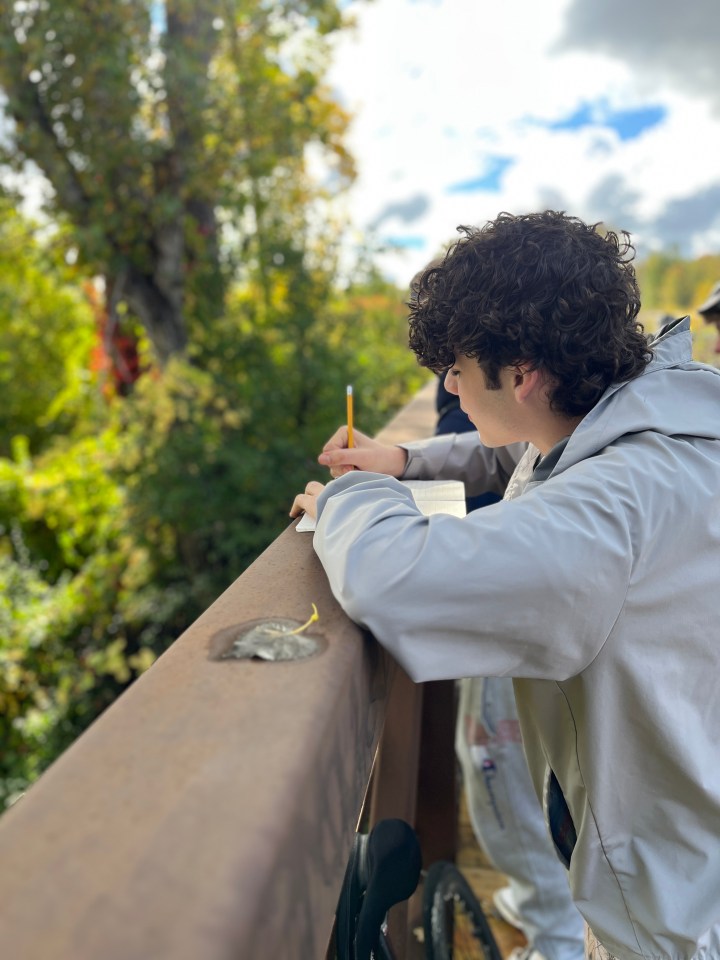
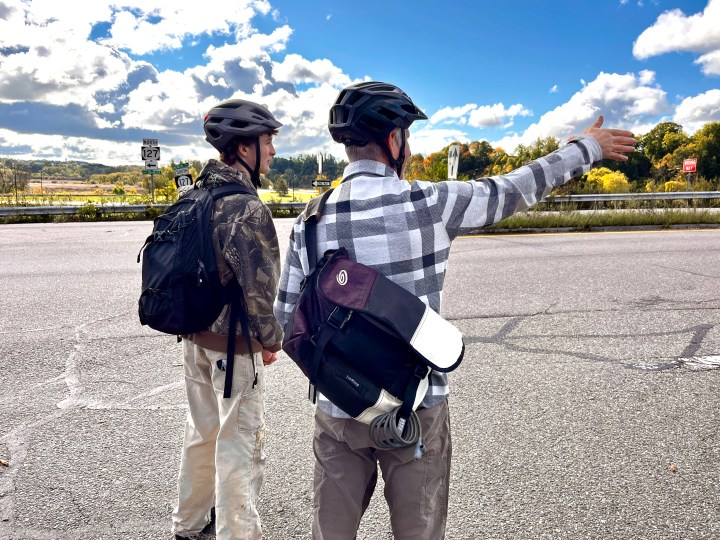
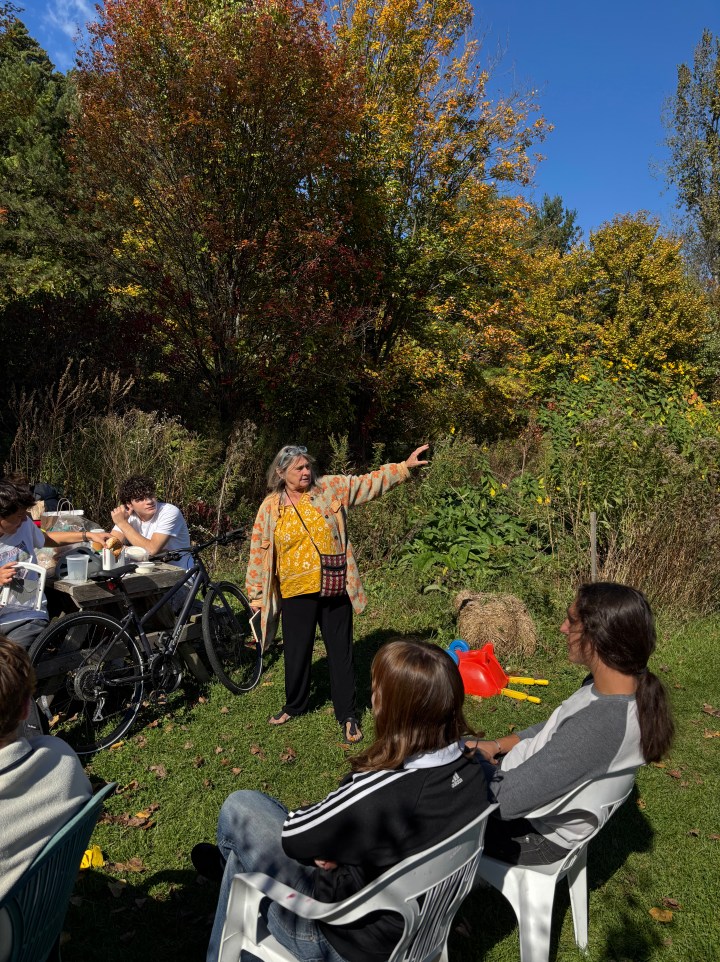
The Ethan Allen Homestead is a place I’ve gone to only one time. I got there by walking from my grandmother’s house on Gazo Ave. I never realized how hard it can be to get there until taking our bike ride — which even for an athletic and young person like me was hard to complete. I don’t think I could imagine how it would be for someone that isn’t fit like I am.
Aside from that however, I also didn’t know how much is found at the Ethan Allen Homestead. I never thought of it as more than just a museum, but there is also a preschool…as well as many different community gardens. What is unfortunate about this is if the people who rely on these gardens for food don’t have cars, it can be hard to get there to harvest their food and take it back home. Something I’m wondering about is if there is a way to get more frequent shuttles to the Homestead so the people who need these gardens for their food can access and get the food home easier? Is it possible to shuttle the people to the bus stop after they harvest?
- Lucy
Our time at the Ethan Allen Homestead had a really big effect on how I think about transportation. At first, as we planned the maps, I couldn’t see the value in even spending the city’s money on this project. The Ethan Allen Homestead first presented to me as a place that was moderately useful or important. Contrasting this sense of doubt I had when we were with the city planners with the second half of the day was very interesting. The Ethan Allen Homestead serves communities, such as new Americans and families that are often neglected, and part of that neglect comes through access to transportation. As a car owner, [at first] I couldn’t understand how this planning was important, until I took a step back.
- Miranda
At first, to people like myself that are fortunate enough to have access to a car and transportation all the time, the problem of having access to the Ethan Allen homestead and the preschool nearby just do not seem as relevant as some of the other problems in our community. But to many families across the community [equitable transportation] is a large problem. The day we spent down at the Homestead, we learned about all the different ways people use the Homestead and all the different ways they have trouble accessing it. One point that one of our community members made that really stuck with me was, after I asked the question, why can’t these people just use the bike path like we did? She said “good question, but, have you ever tried getting down that hill holding two kids and a pumpkin?” This was the moment where I started to think about this issue more, and think about how much we take easy access for granted… This really connects to how improving places like the Homestead for more accessibility isn’t just about convenience, it’s about making sure everyone has the same opportunity to be a part of a community no matter where they live or how they get around.
- Felix

Another way that BCL students lean into complexity is through Inquiry Projects. These independent projects offer learners an opportunity to use their own curiosity as fuel, and to embrace new questions along the way. Without fail, the days that students present their work are always overflowing with passion, discovery and surprise. It’s a powerful reminder that when learners are given the chance to be wayfinders, they become inspiring guides.


School learning is very different from life learning, however Inquiry Projects bring both of these together… Inquiry projects in BCL are meant to be fun and completely up to you and what you want them to be. This freedom lets me enjoy the project itself so much more and it allows me to share my personal interactions and stories. In an article talking about what inquiry really is, the author writes, “When our goal is to understand ourselves, the world, and our place within it, this inquiry process must look inward as well as outward. It isn’t enough to think critically about the world. We also have to examine the assumptions that shape how we perceive it. When we develop the skills for a cycle of inquiry like this, we become powerful learners.” I agree that how we think and act affects our learning. By digging deep into inquiry projects this allows us to not only think about one question but about everything else that contributes and relates to what we are learning.
Traditional learning always has a right answer and grades which come along with it. Nearly every American school teaches this way and without the BCL experience I would have been taught this way for all of my education. [In Inquiry Projects,] specific things and questions turn into multiple thoughts and answers, due to us digging deeper and finding more meaning…Being able to make observations, interviews, and have experiences, allows our brain and thoughts to thrive and go beyond the obvious, to find more than what we thought.
- Eamon
For my inquiry project, I explored the topic of sustainable fashion. My interest in this was led by the fact that I wear second-hand clothes almost every day… I ended up taking the route of clothing repair. I went to the Sandbox, which is on Pine St. I was feeling really confident about my idea, but the actual thought of going into this place I had never been to and interviewing someone I had never met was so terrifying to me… I had never really done something like this before.
Stepping outside my comfort zone felt strange, like walking into a version of myself I had forgotten about. It made me think about how different I am now compared to when I was little. I used to be such a curious and bubbly kid. I was the one always asking questions, pointing things out, and wanting to know how everything worked… [This] reminded me of something from an article I read: “We should strive not to have an answer for every question, but a question for every answer.” That idea stuck with me. Maybe learning isn’t about getting to the end of something, but about circling back and asking again. Doing this project showed me that curiosity doesn’t have to be loud or dramatic. Sometimes it’s just quietly stepping into a room you’ve never been in before, even if you’re nervous. It’s asking someone a question, even if your voice shakes a little. It’s caring enough to want to understand.
- Vera
 Burlington City & Lake Semester