
The Burlington City & Lake Semester’s values are displayed on a poster that hangs on the classroom wall. Students often refer to these values in their reflection and analysis. In doing so, the values become a reference point, and program participants can hold us to account if we stray from those ideals. If, for example, too much time has gone by since our experience has felt imbued with a sense of curiosity, fun — or any other BCL value — we can easily recalibrate, and reinvest in what matters.
But it’s not just the program itself that receives this level of tuning. When we meet with community partners, they often introduce themselves by sharing their personal mission, or the mission of their organization. And they are honest about just how hard it is to align their ideals and their impact. Invariably, this transparency leads to rich, complex conversations. After all, the real world is messy, full of forced choices and compromises. Fidelity between mission and action is hard to achieve.
For this reason, it’s powerful to be in a learning environment that is invested in walking the walk. During a multi-day residency at HULA Lakeside, a coworking space and hub for business innovation, we had an unparalled opportunity to engage with purpose-driven leaders from the non-profit and business sectors, and to ask some of the toughest questions: How do you stay mission-aligned? What would be possible if you could fully center your values? And what are the barriers to true fidelity?
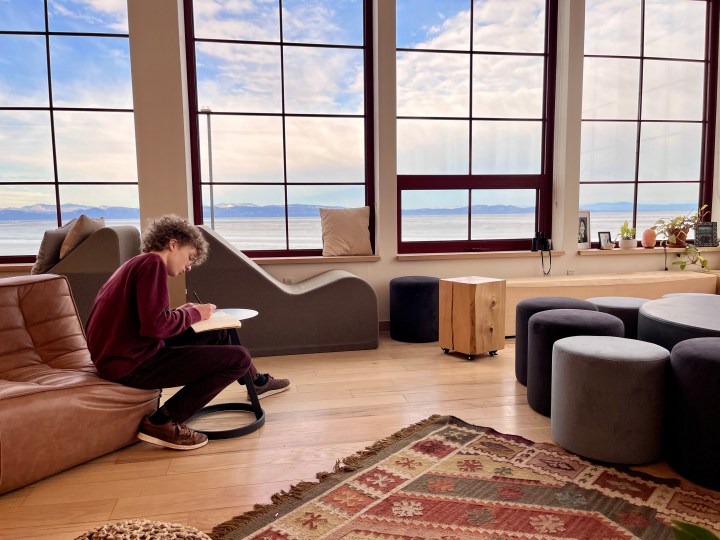
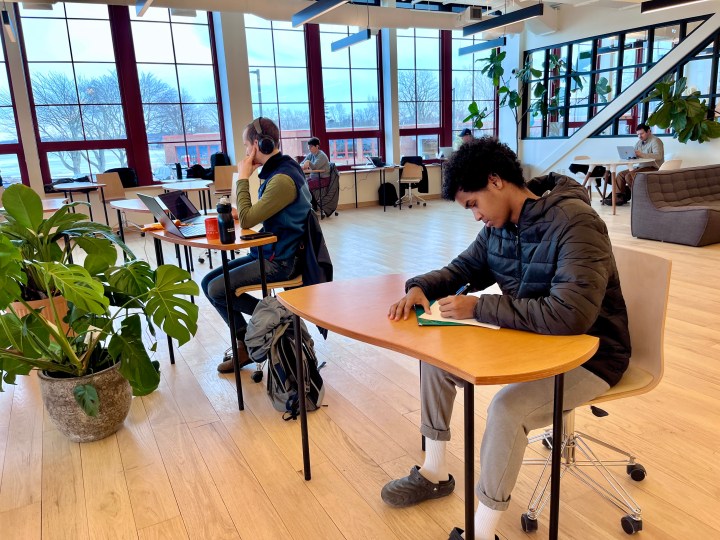
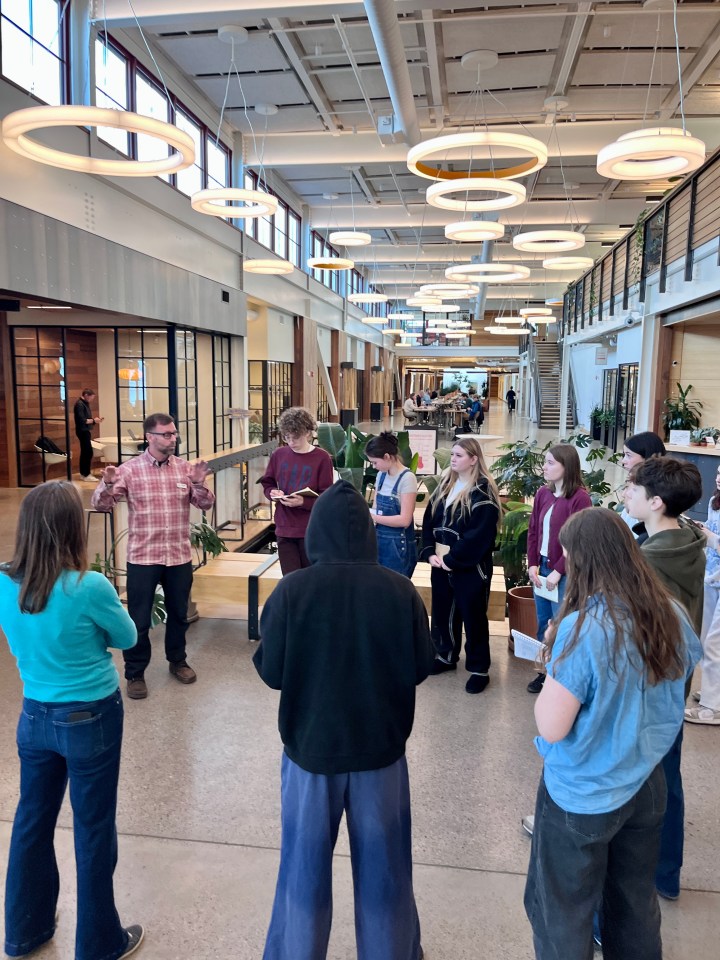
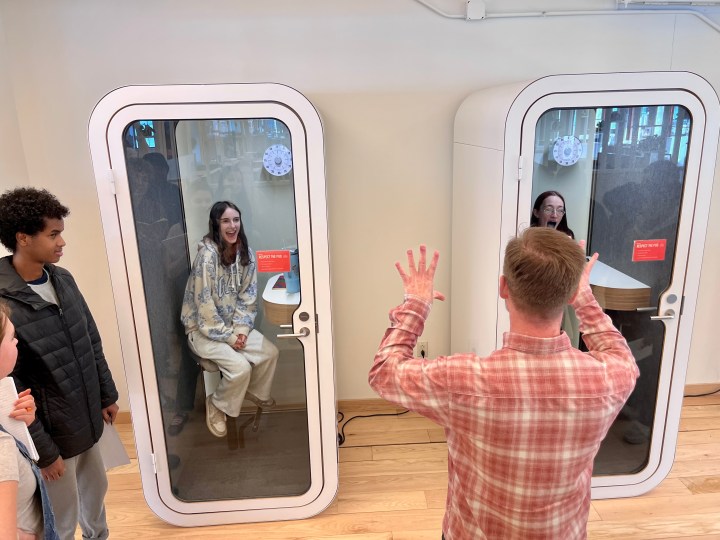
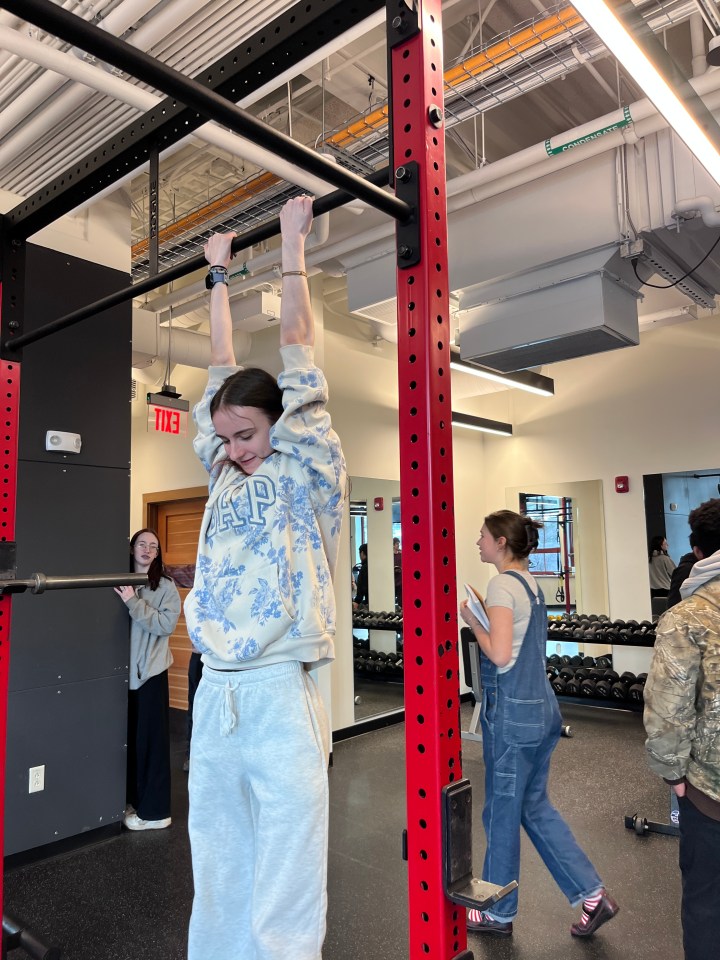
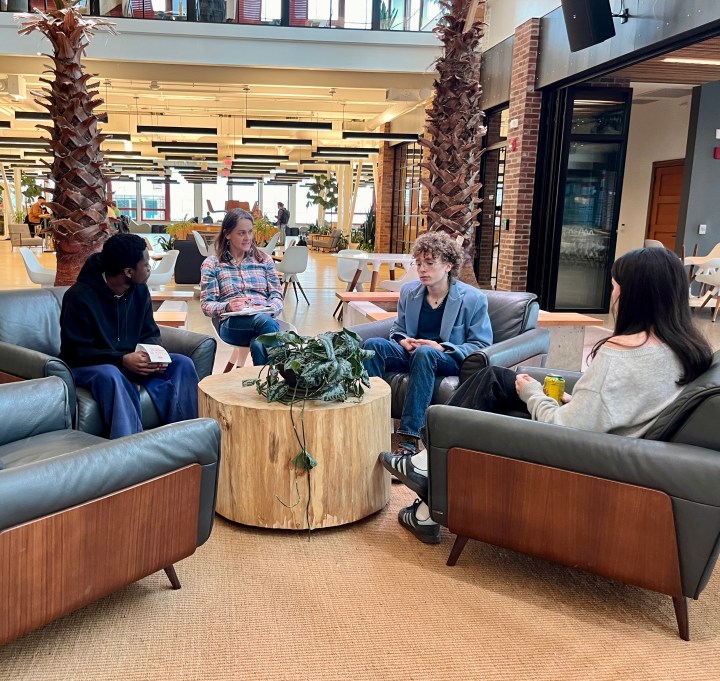
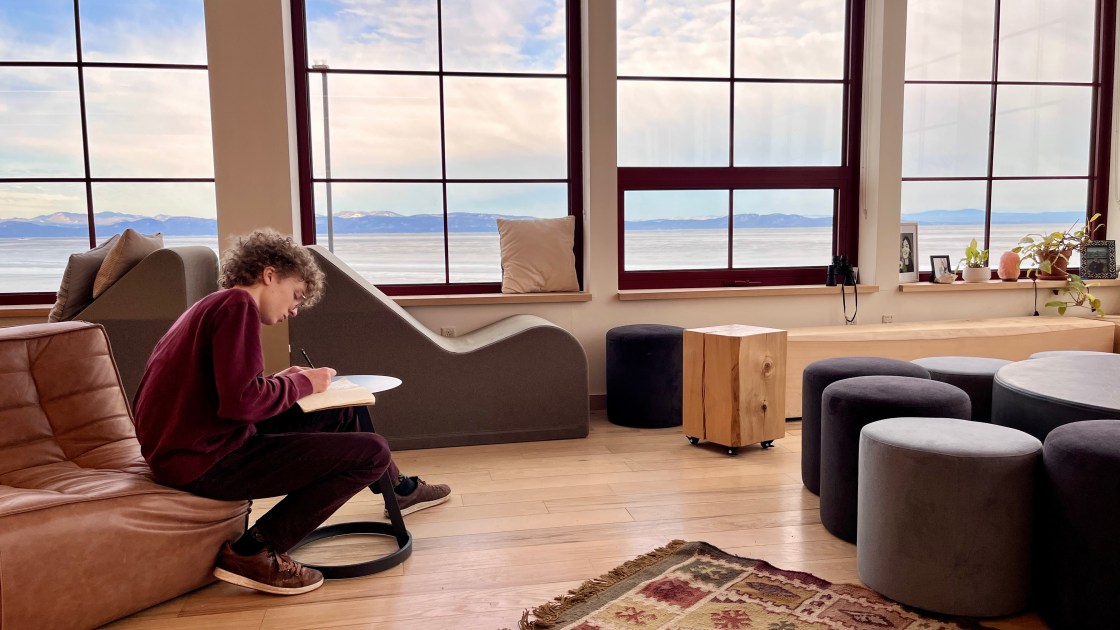
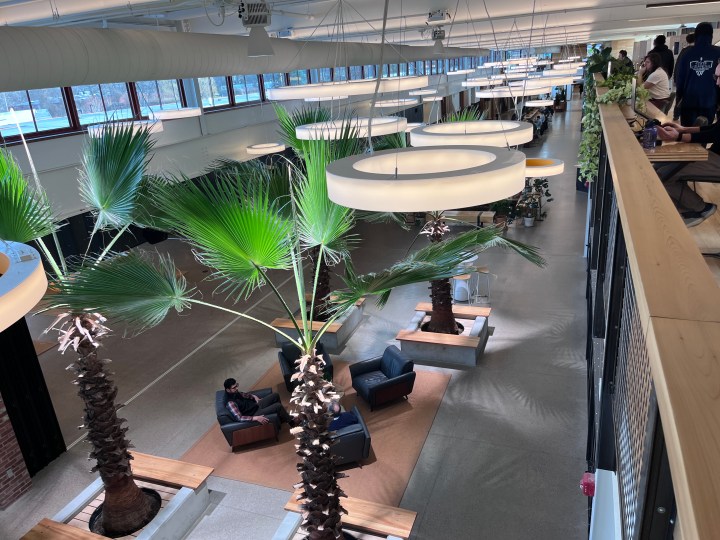
We went to HULA for two full days to meet with community partners. HULA wants to give people a quiet work space and to bring people together. Their values are visible too. There are solar panels on the roof. And the lights are shaped like ripples in water. They recycle a lot…a reuse, recycle, healthy kind of place.
While we were there, we met with Vermont Green FC, Wasted, Run on Climate, Glavel, Haji Driving Academy, and Amanda Janoo. All of these partners focus on doing good for the community. For example, Amanda is running for mayor to help out the community. Vermont Green is trying to build a soccer stadium that brings our community together. They also want to do this in a healthy way.
- Taiya
Aligning mission with actions is not only important in one’s life to feel fulfilled, but in the private sector to have a successful business. An article by Jim Collins titled “Aligning Action and Values” states that an aligned company can be judged by the “ability of its leadership over the years to create mechanisms that bring these principles to life and translate them into action.” And one of the best examples of leadership creating mechanisms that bring a company’s principles to life is HULA. On their website, they state that their five key values are “Empower Entrepreneurs, Accelerate Growth, Exchange Ideas & Build Community, Foster Talent, Nurture Wellbeing & Balance.” Walking into the HULA space I did not know these were their values, but I saw them immediately and I heard them on the tour. The space is designed to build community, nurture well-being and balance, and empower entrepreneurs. This can be seen in the decorations of the space, the free gym membership that comes with the space, the location of the coffee shop in the channel which is designed for people to stop and have conversations and build partnerships.
This idea of alignment of mission and values and translating that into action is important not only in the business sector and in one’s personal life, but in the community. If we don’t align our values with our actions, we have no leg to stand on.
- Adele
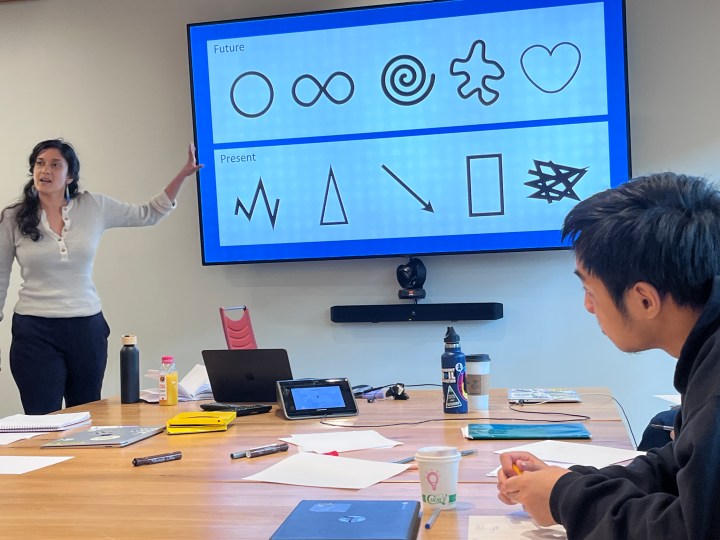
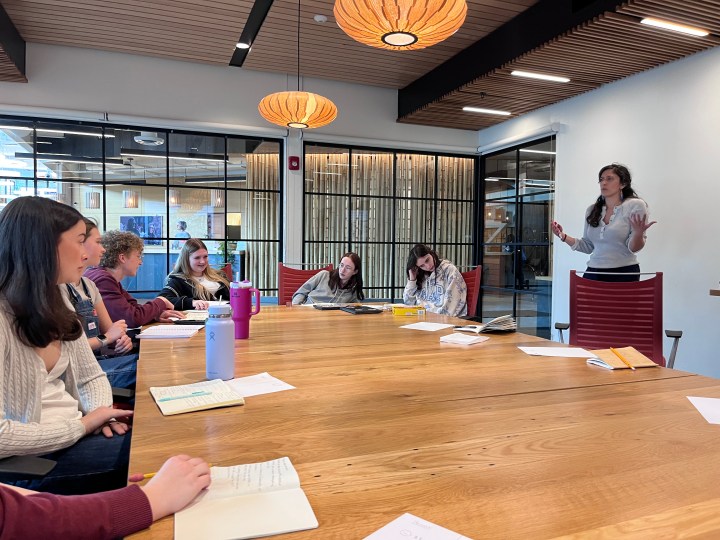
I was originally a little hesitant when I heard that we were going to be talking with an economist. I assumed that the conversation would be a boring conversation about the stock market or how corrupted the economy is at this point in time. However, I was pleasantly surprised with Amanda Janoo. She explained that she is part of a global collective working to redesign the economy. What she meant by this was not simply adjusting small parts of the system, but fundamentally changing the purpose and goals of the economy itself.
One of my favorite parts from our conversation with Amanda was when she explained that economics should not be a one size fits all, even though the current system often treats it that way. In my opinion, this means that the people with the most power and wealth often design the economic systems that work best for themselves, while assuming the same system should work equally well for everyone else. In reality, people all have very different circumstances and challenges, many of which are outside their control. Ideally, an economic system should support people in reaching their potential rather than creating barriers that make it harder to live a life of dignity and purpose.
- Frances
Before our discussion with Amanda Janoo at Hula, I didn’t know too much about the economy. I didn’t know how it worked or what purpose it served. I just understood that it had to do with money, jobs, and banking. I was curious to learn more about it, especially from someone who would be announcing that she was running for Governor the next day. During our time with Amanda Janoo, we asked questions such as: What is the economy? Who or what does the economy work for? Why do we need it? Why is the economy really bad at the current moment? What changes can be made? What are possible alternatives?
This relates to an article I read, Do Companies have moral obligations?, which argues that since the 14th Amendment protects corporations as having rights like individual persons, and affect others with their actions, they have the moral obligation to hold themselves responsible for their actions. The 14th Amendment was put in place to make sure that no one (especially freed Blacks) would be deprived of life, liberty, and property. The Supreme Court later applied it to corporations. But this means that if corporations are corrupt and start doing things illegally or bring harm to others, they must be held responsible just like any person… Our time with Amanda Janoo brought all of this to my attention and motivated me to think more critically about the systems I live in and question their ethics.
- Welcome
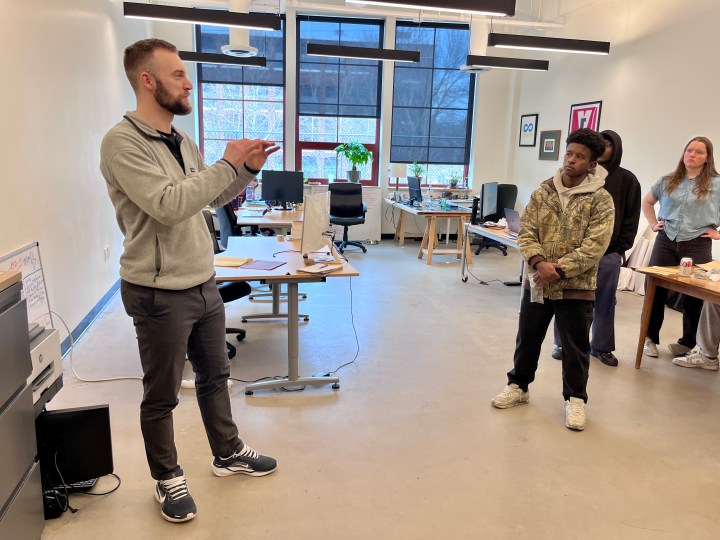
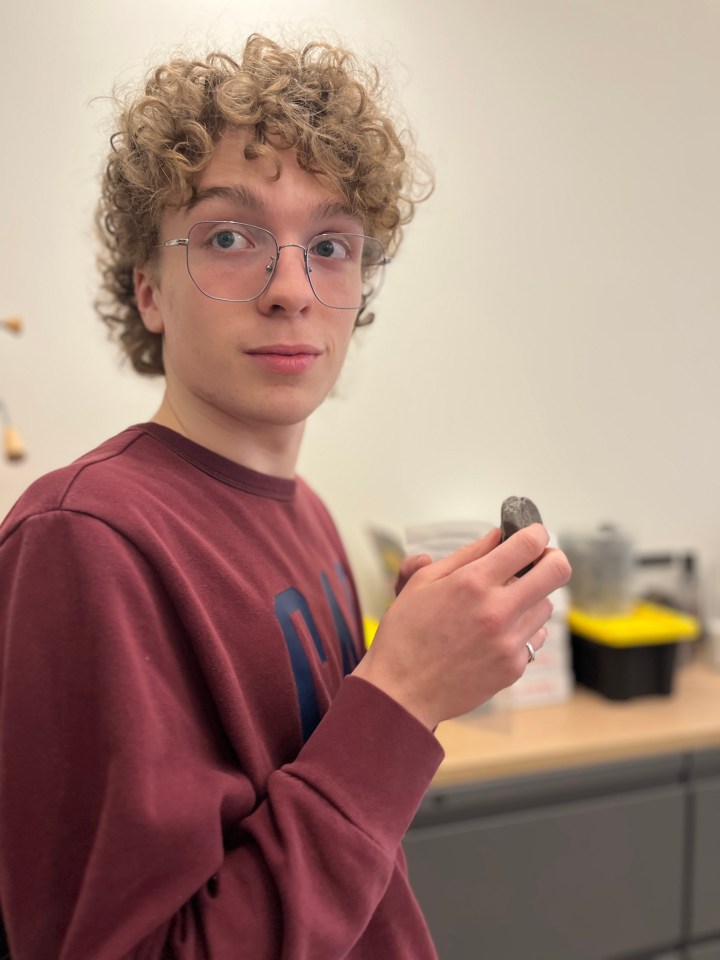
Each company we met with has its own problems and solutions. Glavel is helping the construction industry. I loved when we got to hold the Glavel itself. It felt super cool. And it was neat learning about how it’s made and what its uses are.
- Carter
For too long the construction industry has been built on just being “good enough.” We’ve prioritized cost and immediate performance over long term health of our planet, and often use materials that, while effective in our homes, are quietly poisoning the environment. But standing besides that in a necessary revolution is Glavel, a company that isn’t just making insulation but they are reimagining what the very bones of our buildings and houses can be… Glavel isn’t just creating a product, they are solving a waste crisis. Their foamed glass aggregate is made from 100% recycled glass taking what would otherwise end up in the landfill and turning it into a high performance building material.
My question is why is low carbon still considered a specialty feature rather than a building code requirement? I often hear about energy efficiency in terms of how much heating or cooling a house has but I rarely hear about the embodied carbon the emissions generated just to make the materials in the first place. If we use high emission plastic insulation to save energy are we really saving it or we just shifting the debt to the future? Glavel’s company shifted my perspective. Now I look at broken glass bottles not just as trash but as a potential wall or foundation or drainage system. By turning 100% recycled glass into a light weight, high strength, and insulating aggregate Glavel is proving that the construction industry doesn’t have to choose between performance or the planet, they are building the future.
- Hannah
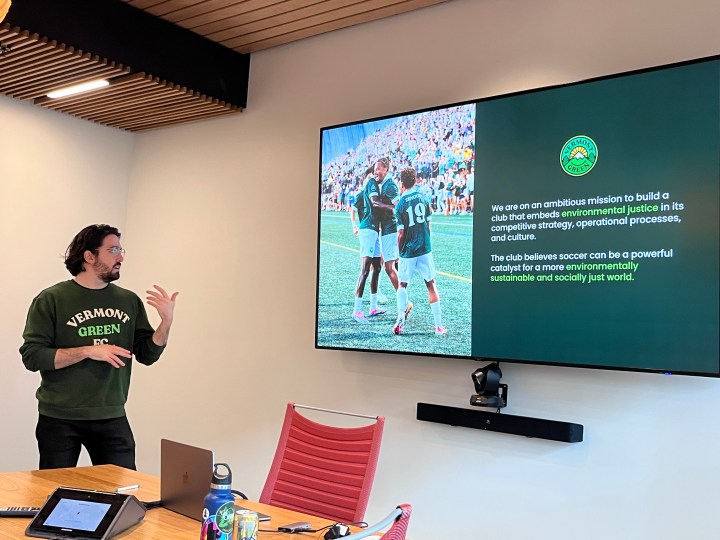
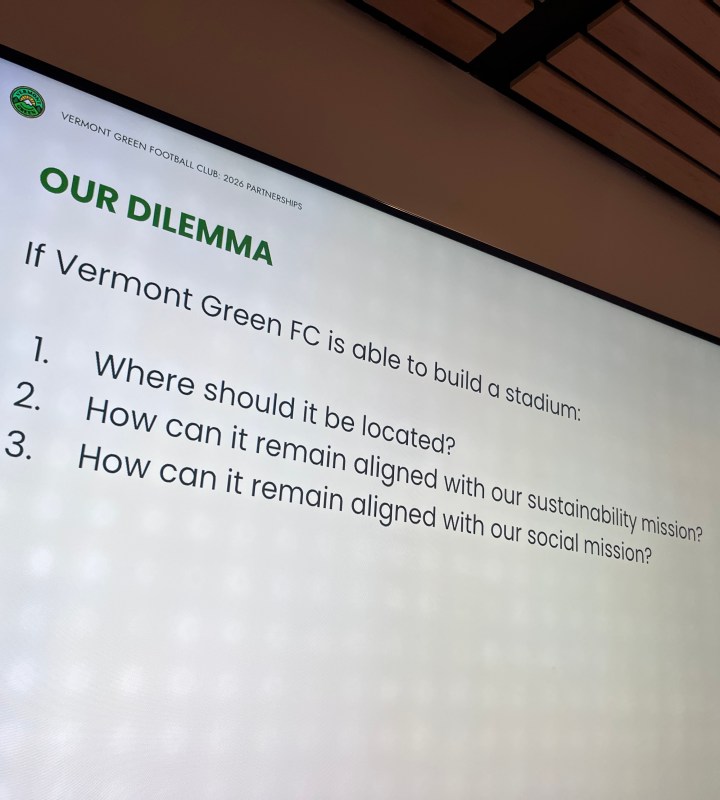
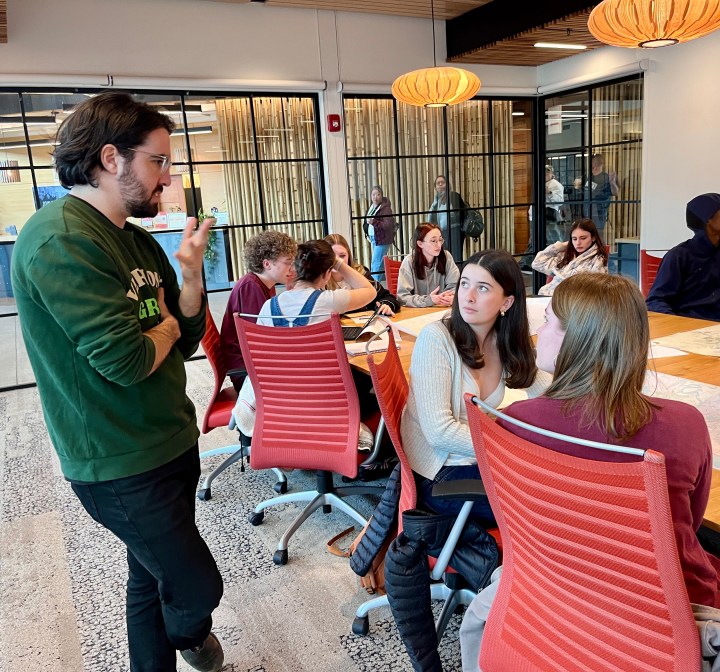
that aligned with Vermont Green FC’s core values.
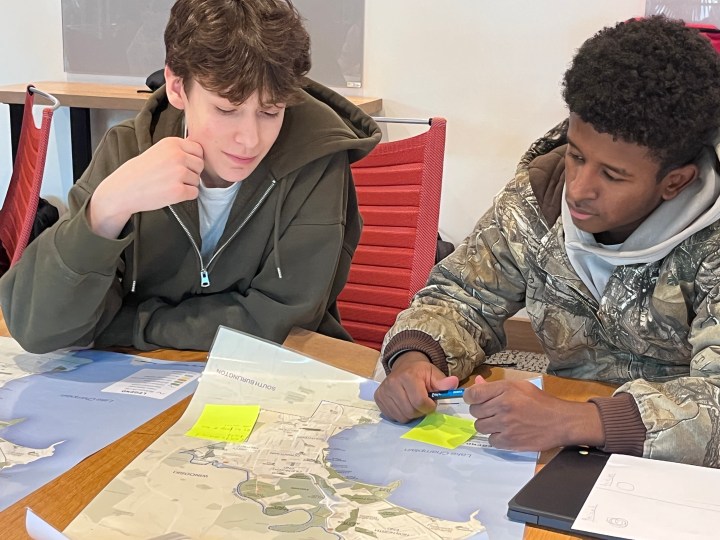
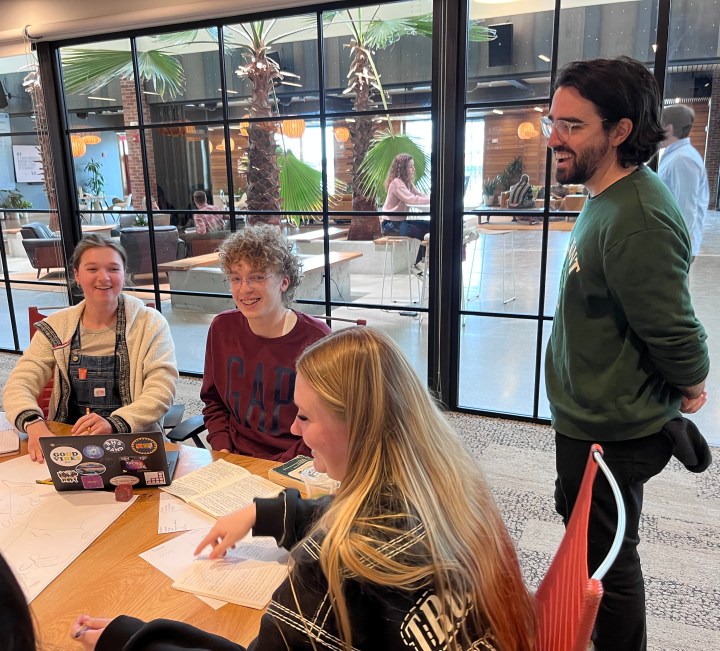
One interesting experience that we had in BCL was having the opportunity to meet with the Vermont Green Football Club Co-founder, Patrick. Patrick gave us a rundown of what Vermont Green Football Club is all about, their plans for the future, and their missions. I play soccer, so hearing that we have a soccer team like Vermont Green, other than college soccer, was very nice. I watched their final match and later watched them celebrating on TV. Vermont Green was the 2025 Undefeated National Champions. Two values that the Vermont Green Football Club has that I find most compelling are community and inclusion. I liked that they have created a women’s soccer team. I also liked that everything they are doing is for the community. Everything we saw and learned about at HULA was connected to the people and community, or to making a better word, or bettering the world. Vermont Green is thinking long term developements, and I think every other company [should be] doing the same.
- Dunia
When we met eith Vermont Green FC, it was interesting to learn about the five goals they have for their business: (becoming) net zero, fighting systemic racism, giving 1% of their annual sales to non-profits, purpose-driven merchandise, education and advocacy. This connects to a quote from Amanda: “The economy is the way we produce and provide for each other.”
- Callee
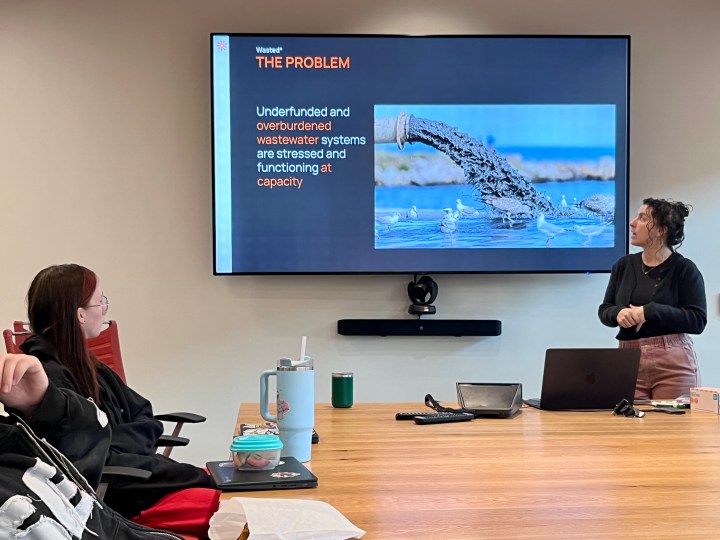
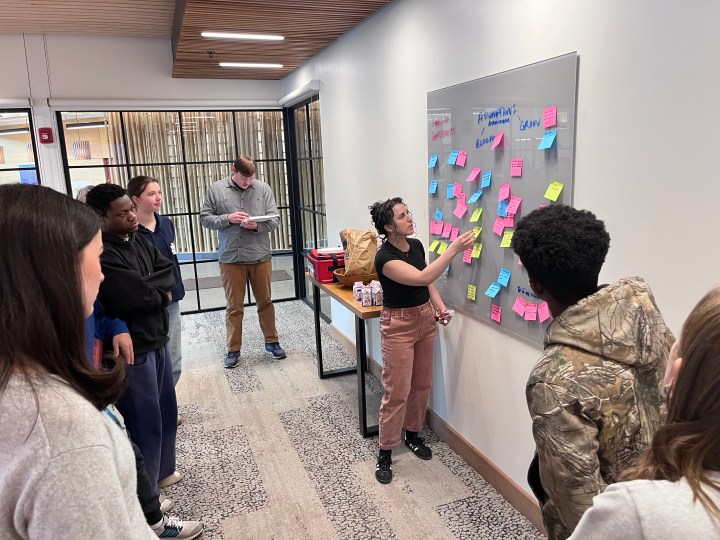
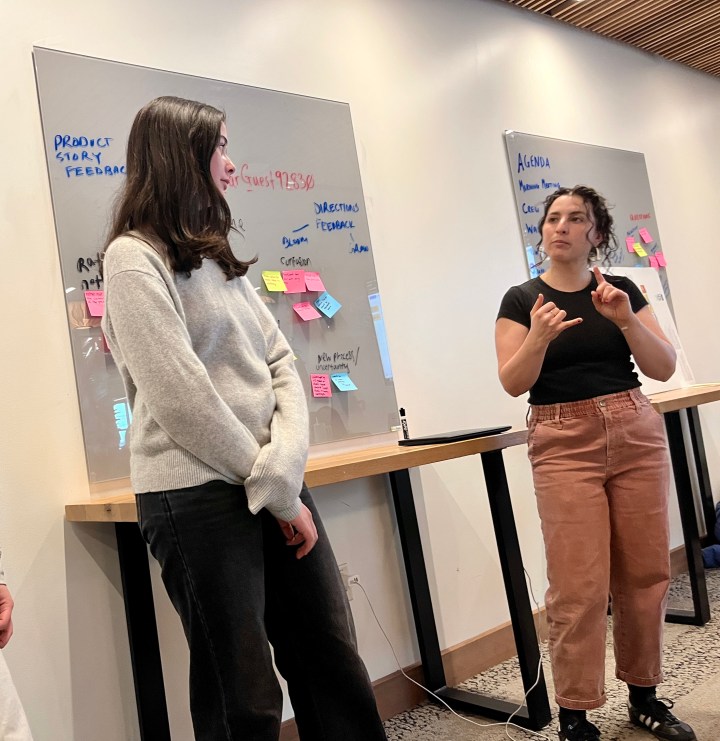
One of the main ideas behind Wasted’s work is the concept of a Circular Economy. From the presentation that Rachel gave us along with the information I got from the resource on Circular Economies, I learned that it is a system where materials never truly become waste. It is the idea that nature can be and is continuously regenerated. Instead of following the tradition of using something, then throwing it away the minute it doesn’t serve its purpose for you anymore that many brands rely on, this system focuses on reuse, remanufacturing, composting, refurbishment, and recycling. Learning about this idea made me think about how different our world might look like if waste was not considered inevitable. What would our communities look like if we designed systems where resources were constantly reused instead of thrown away?
- Frances
During our time at Hula we met with Rachel from the Wasted company, and learned that they separate human waste and make it into fertilizer. Rachel introduced us to the idea of the circular economy. This experience makes me think about the health of the lake and how to prevent pollution. Companies like Wasted are helpful for the environment. This experiences connects to our value at BCL of hope.
- Blu
We [worked with] a company that can reuse human waste, specifically urine, to create fertilizer for plants. At first this idea sounded pretty strange to a lot of people. I interviewed someone about it and they said they felt uncomfortable when they first heard the idea, but after hearing about the benifits for the enviroment they said they understood it a little more, even though they said it would probably take time to get used to. This experince made me realize that solving enviromental problems sometimes requires thinking about ideas that seem strange at first. But when people understand the science and benifits behind them, they might start to see why those ideas could actually help the planet.
- Najib
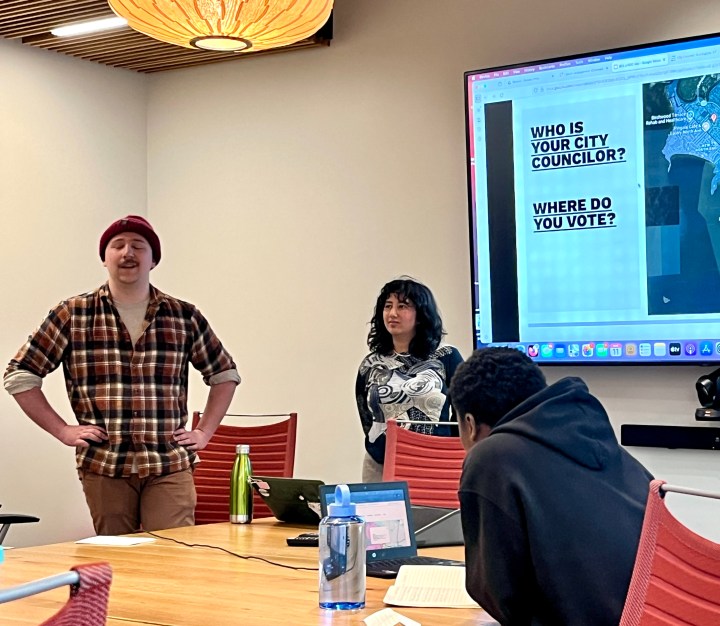
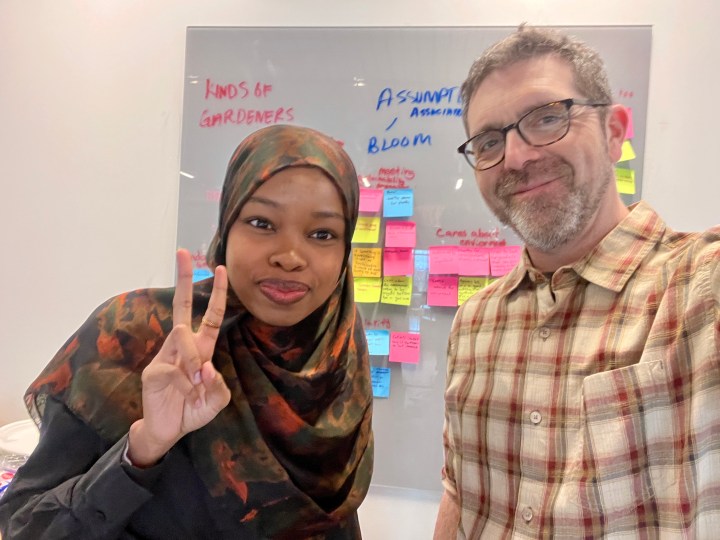
Isha Ibrahim, now an intern with Haji Driving Academy, is a BCL5 alumna.
Everything [during our time ]at HULA connected environment and community. Every partner cares about how they can help in lots of ways. Glavel takes glass and makes it into something so useful for buildings bridges and really anything. An aha moment from our time with Run on Climate was hearing how you can go to meetings and have your voice be heard. I thought its cool that they work with local political people who want to make change. When we met with Haji Driving Academy, I was thinking that it’s nice to know theres a different drivers ed program that is calm and makes people feel like it’s their own path…My takeaway from the time with Amanda Janoo was that that I took the ideas and the learning from her presentation and put it into the rest of the partners — and I thought that was great. Overall, all of these partners have missions and similar values.
- Selma
It felt nice being with active partners throughout our time at HULA. I liked how straightforward and honest Libby and Noah, from Run on Climate, were with their beliefs. They weren’t hesitant to point out that their sole purpose when endorsing these politicians is that they would get remembered in the form of policies being implemented. [I liked] when Aden talked about working with someone who was sonically impaired, showing the extent to which he cared about equity and inclusion. This was nice because it showed Aden cares about his community. When we met with Wasted. It was like we were equals in status in the room, and all of our feedback was being taken into account, which always is nice. I think the biggest connection I could make between all of the partners was that they were all deeply involved in the community, and you saw it on each of their respective levels.
- Mahdi
My initial impression of HULA was one of awe. Being a longtime south ender, I have known this space existed for years– I have memories during my elementary days of complaining about how the Bloddget Factory took up so much lakeside beach access–but my understanding has always been loose, some sort of Venture capitalist office space. Even attending prom there failed to demystify the space; we had access to much of central hall, but most of the rest of the building was shrouded in darkness, and the feeling differed dramatically. It was a high school dance space after all. Walking in Monday and doing a journal reflection…I wrote: “I was immediately struck by how cool a space this is. Surrounded by the lake & the mountains, the energy is that of driven collaboration & focus.” I was grabbed by what made the space appealing. HULA felt like the utopian work environment for anyone to work in. I loved it…
Looking around, I wrote in my journal, “Vermont flannel is visible, speckled around the room, with more than one Kombucha visible.” Then I dug deeper: “…There is a uniformity among the dress and mannerisms of these workers that is slightly unsettling; it makes me wonder: why?” This is a question worth examining further. Why are only these select identities visible at the HULA space? Is it something due to HULA itself? Or is it a wider system that pushes only these identities into this space? … [And what does this mean for] my narrative of who is a vermonter? How could I figure this out? And, if that is the case, how can I change the narrative in my head to who is the typical vermont to be more inclusicve? I look forward to exploring and thinking about this more.
- Keats
 Burlington City & Lake Semester