At the start of every semester, there is a sense of open-ended potential. Students know that there is a roadmap, but in the early days, we haven’t yet taken the roadtrip. At that point, we’re focused on what we need to bring on the journey we’re about to take. But even as we invest in skills and mindsets, we also fill the tank with a critical element: trust.
Trust is fuel. The more of it we have, the more risk we can each take as individuals, and the more resilience we have as a community. Trust helps nurture authentic dialogue, perseverance, and grace. It also lays the foundation for collective creativity.
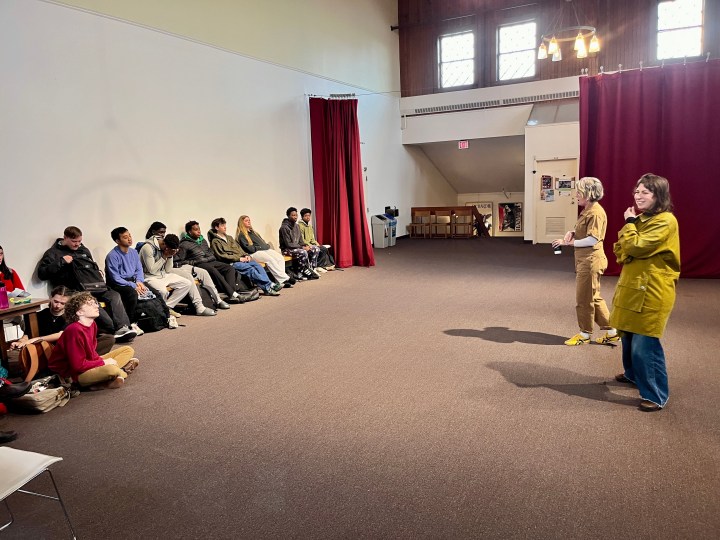
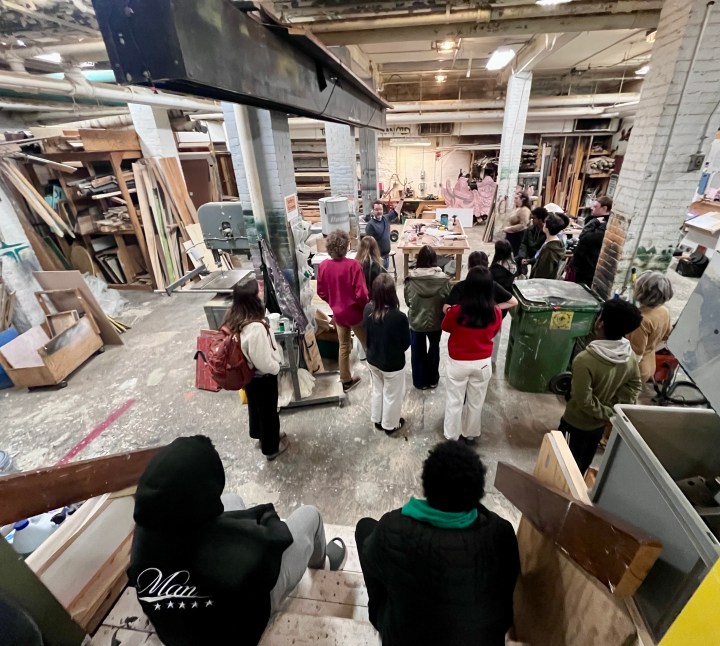
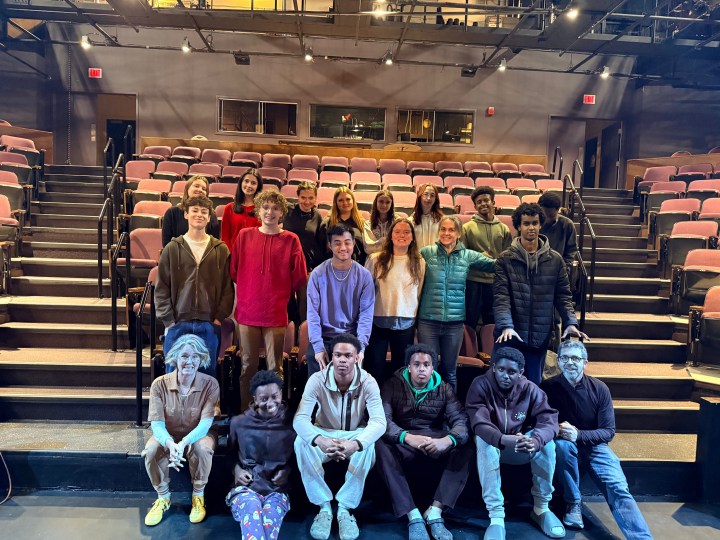
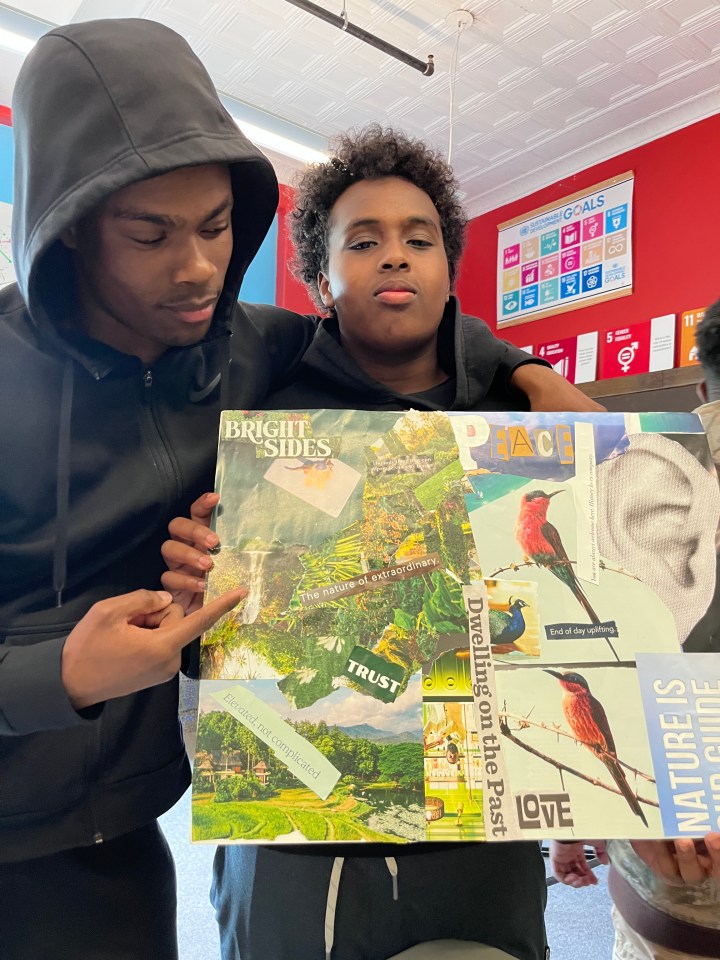
Each semester, our collective art project takes a different form. Past projects have expanded our minds, illustrated what matters, spotlighted stories, and invited the audience into the experience. Recently, BCL students have printed their way to a massive block party, and stoked the community’s activism. For BCL16, the medium was theater, and the guide was actor and director, Amy Riley.
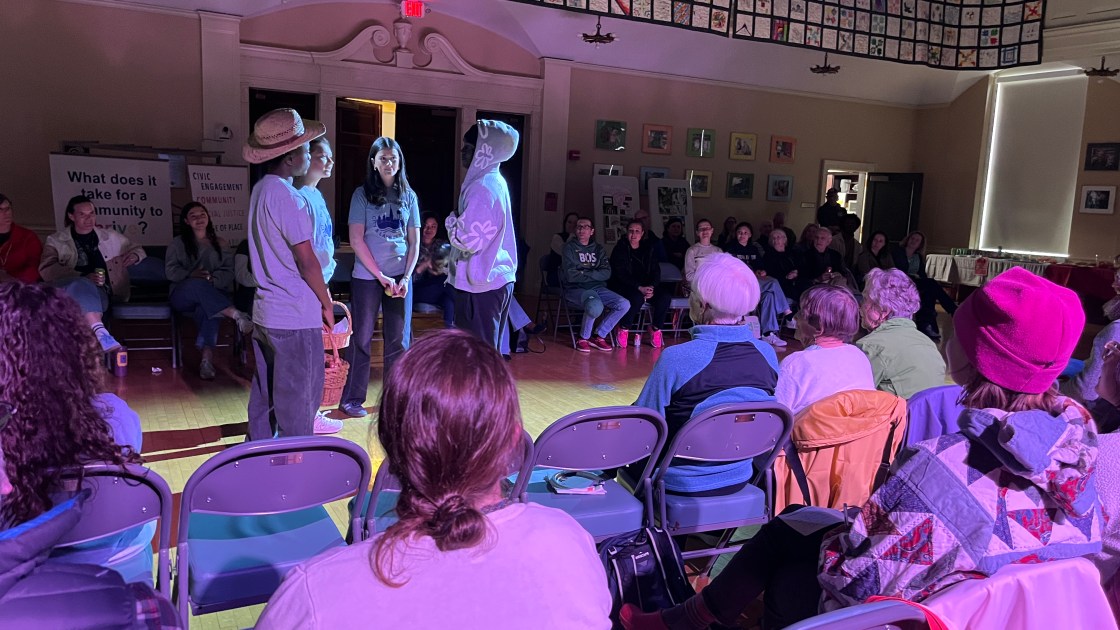
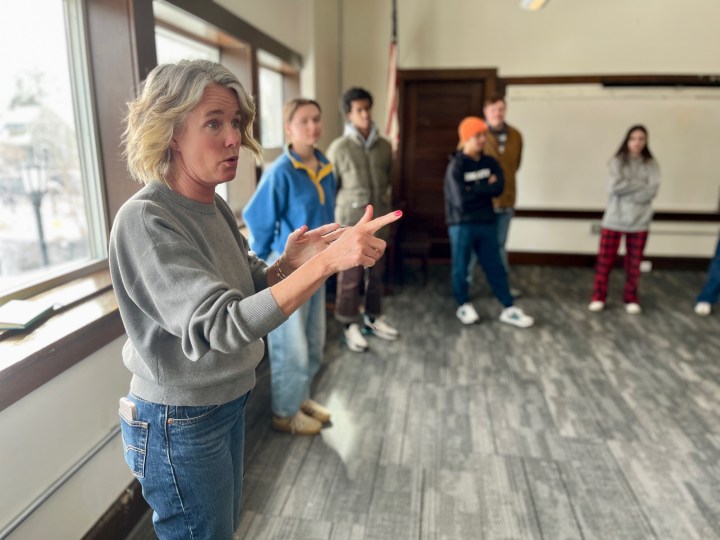
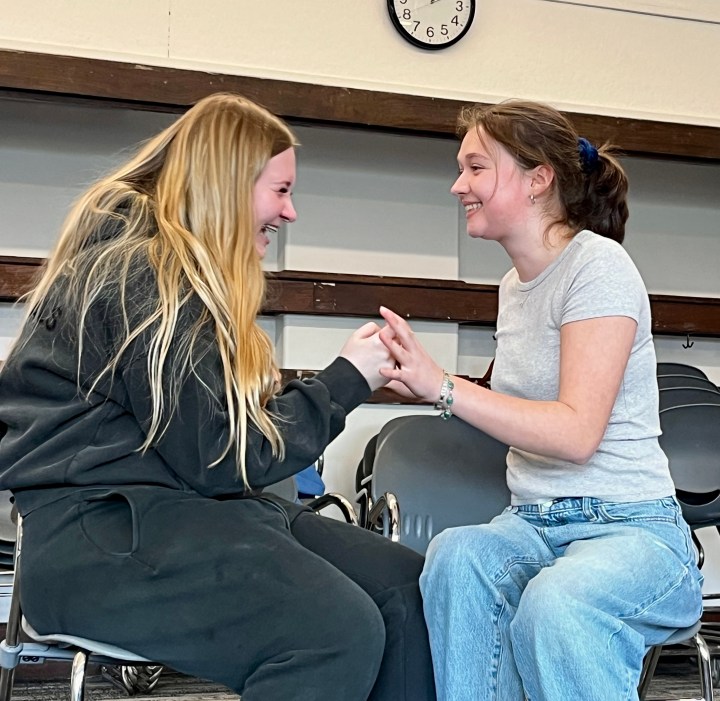
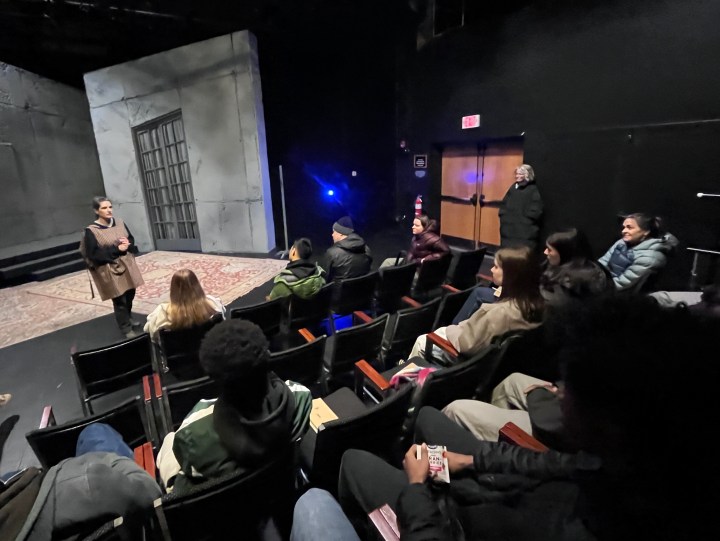
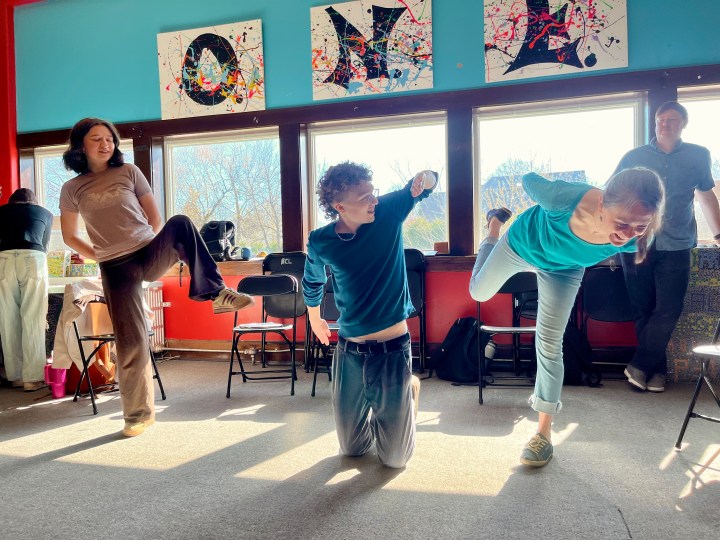
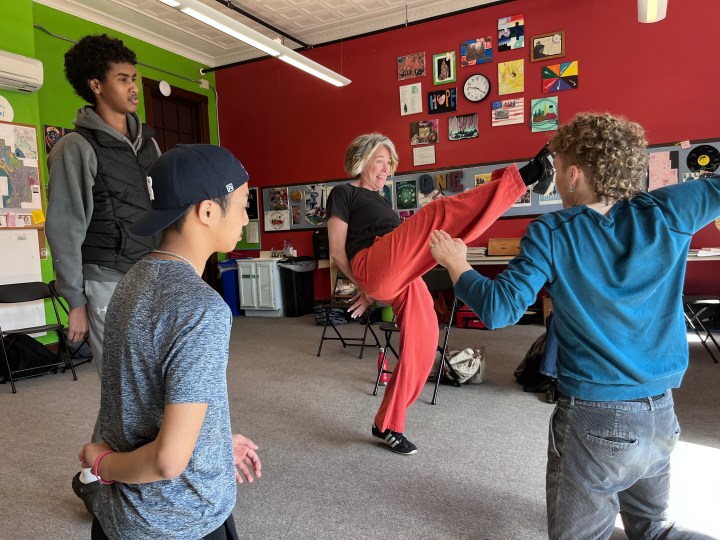
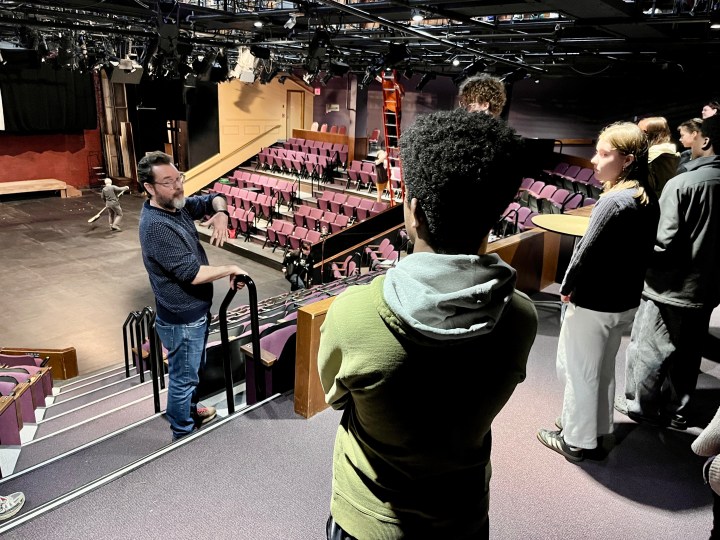
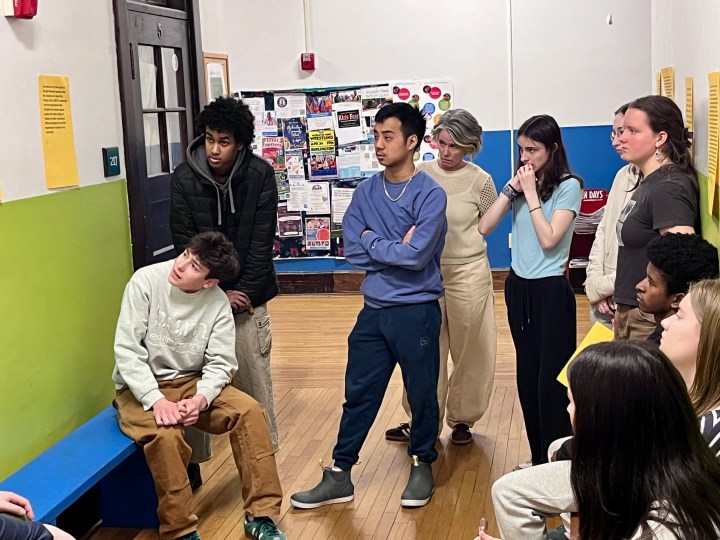
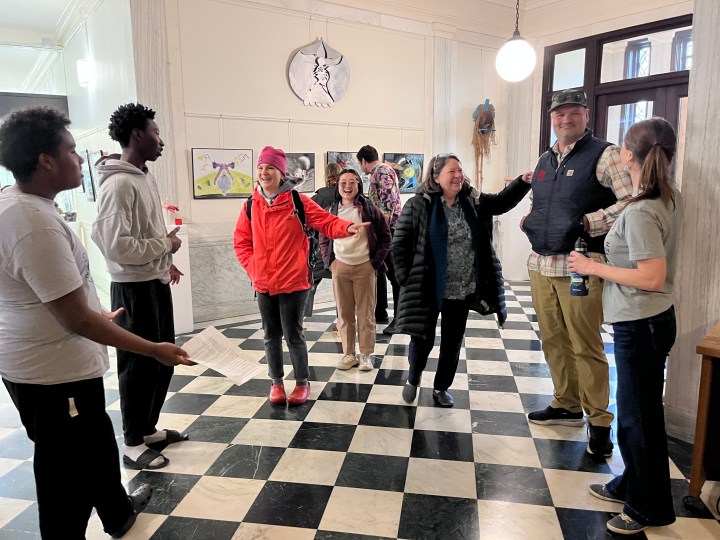
On the first day that Amy joined us, she didn’t waste any time. Within minutes, our entire group was doing improv games. We got silly, laughed together, and made memories. We also built trust, trust that accrued over the ensuing weeks, and eventually led to a public performance at Contois Auditorium at Burlington’s City Hall. It was a fitting location for performance, as students had already met several times with city leaders. After months of civic engagement, it was a natural location to bring together BCL families, and members of the business, non-profit, government, and arts sectors. And the student-devised theater experience, which invited those in attendance to consider what it takes for a community to thrive, was both entertaining and profound.
It wasn’t lost on anyone present that the mutual trust that helped nourish students’ artistic process is actually what the city itself needs more of.
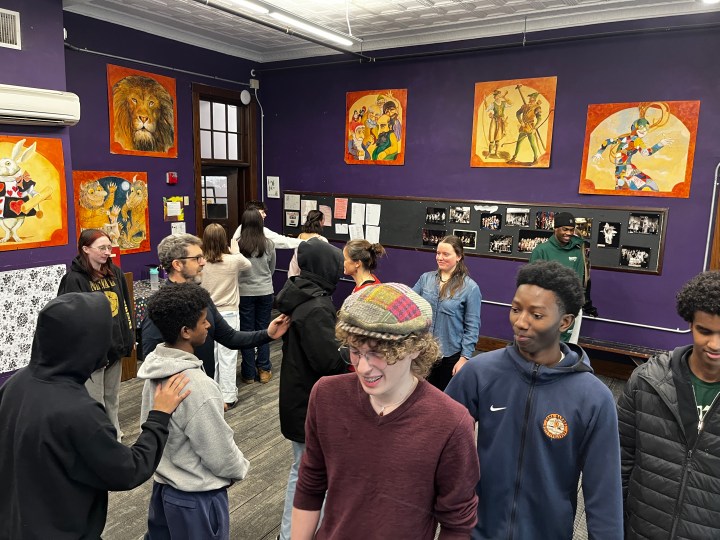
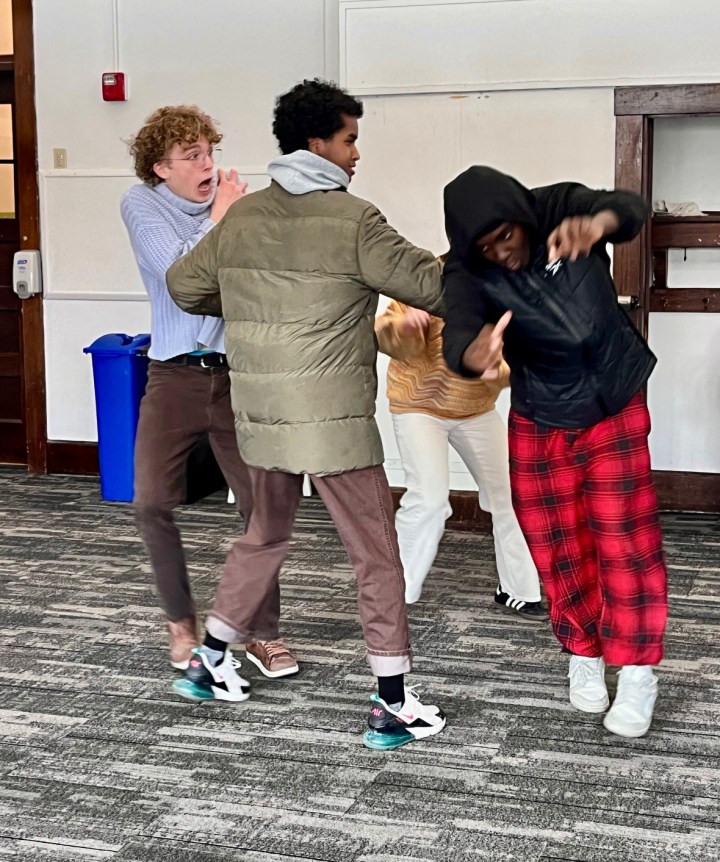
In BCL, when Amy taught us improv, the first couple of days were a little awkward because nobody really knew what to say, or they were thinking of the right things to say. But in reality, improv doesn’t need the right things to say; it needs your imagination to make something happen. So I feel like having that experience as a group brought us all closer as our little community. Groups who are in plays and are into theater, they all look tight-knit. I see how their closeness shows in the play, and how their chemistry as a whole is great, which makes the play amazing and the audience way more into it because of everyone who is acting. While we are in our groups trying to assemble a scene, we show our imaginations, and everyone’s creativity shows up in the scene itself… Performing it brings everyone closer, which can help bring the audience into the scene as well. Like one big community.
- Selma
One highlight from making it that I remember was when we were with Amy on day one. She was just great, and she had a real impact on our class, from how she helped us get out of our comfort zones. For for example, if you are shy, she will really help you become unshy. But she can also help people who don’t really like each other or don’t know each other become friends. It’s just a community with this one, because she has the power to get everyone laughing and also helping others just get used to each other. At the start, people were just unsure, but when she came and gave ideas and encouraged us its like we became family.
- Aime
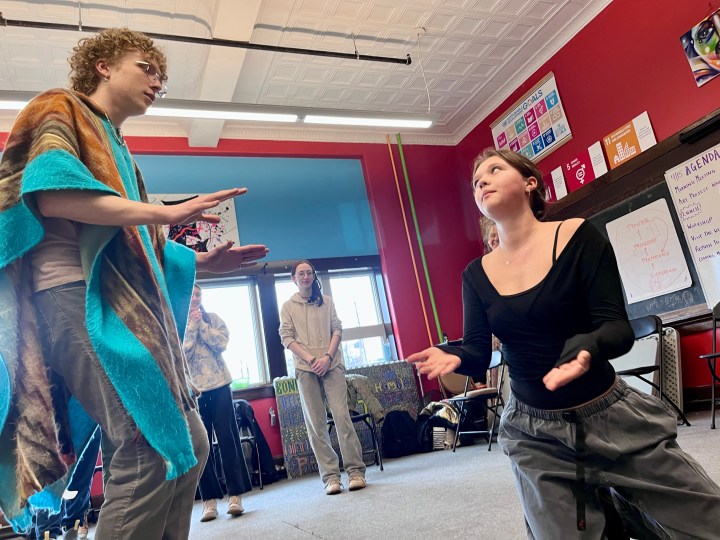
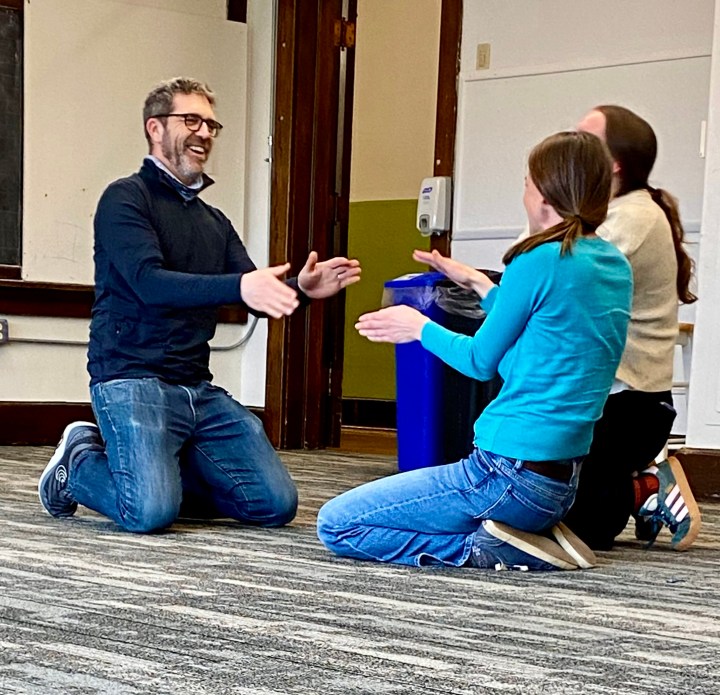
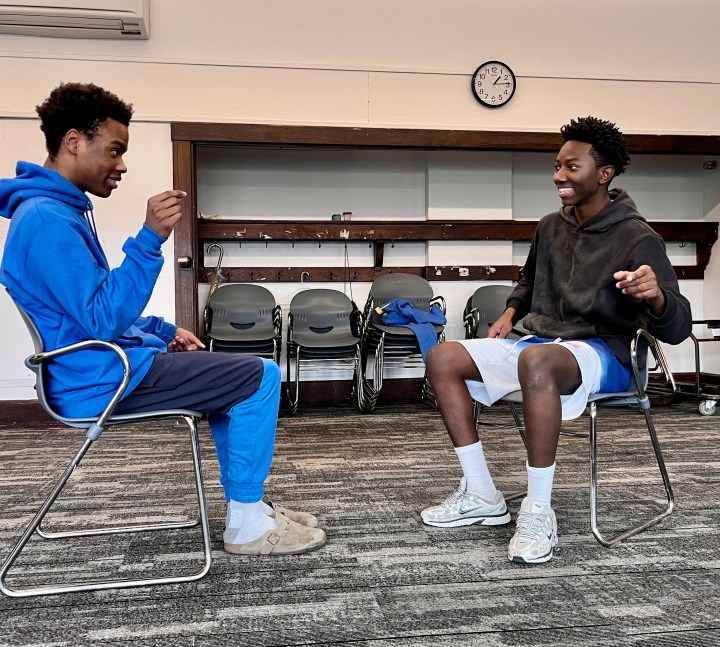
Theater helps a community thrive, because when members of the community attend these events…it’s a very good place to make friends and connect with each other. It’s always fun to just step away from what’s going on in the world and enjoy some time together that’s just based on fun, and enjoying people playing as a different character from who they are.
In order for a community to stay connected with each other, you have to be present, and attending these events definitely puts yourself out there, and it helps make great connections with others who are trying the same thing. Some places to do so are the Flynn theater, different comedy clubs in Burlington, or even just with your friends. It’s always an amazing thing to connect with your peers and distract yourself from the bad things in life.
In the end, I think our theater performance went very well, I heard lots of laughter and other emotions. It took a lot of time and effort, but it was all worth it.
- Carter
Theater helps a community thrive in many ways, but I feel that it helps teach valuable lessons. These lessons are taught, by showing or acting out what is working or what is not working in the community. With theater, a play or piece of art can help the community or audience view issues or problems that are happening. Another lesson that theater gives to the community is how to have fun.
For the show, it was a good performance and we used our nerves.
- Blu
I hope our project should conveys important lessons that we have learned in BCL. I think the idea of making short plays about a particular values or themes related to BCL is cool. My group is making a scene about connection which is an essential human need. Our scene showcases a moment of disconnection between a dad and son who later in life rebuild that bridge and mend the connection they used to have. Connection is an important part of what makes a community thrive and that importance is very often not emphasized enough. From my perspective…I believe that Burlington needs more connection. That is what inspired me to go with that theme. It might impact the audience in that it makes them more appreciative of the people they have around them and even make new and interesting connections.
- Welcome
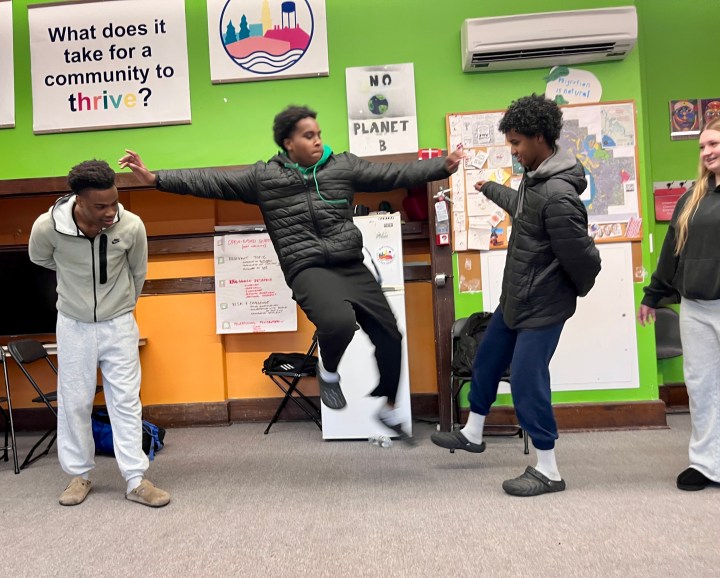
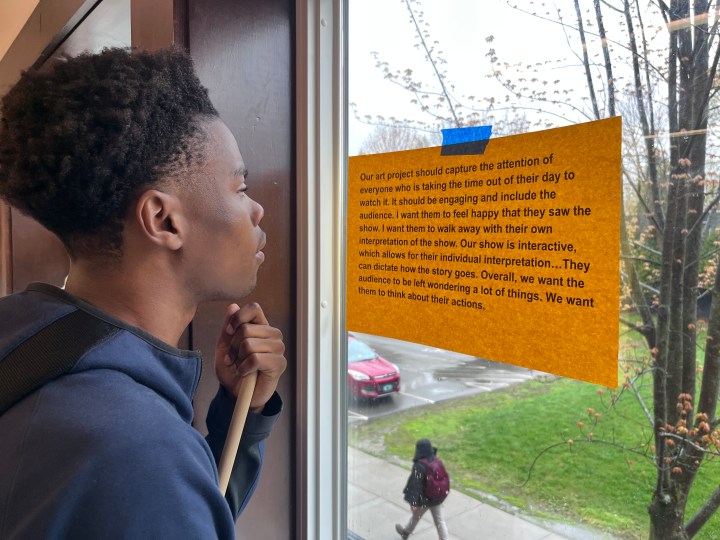
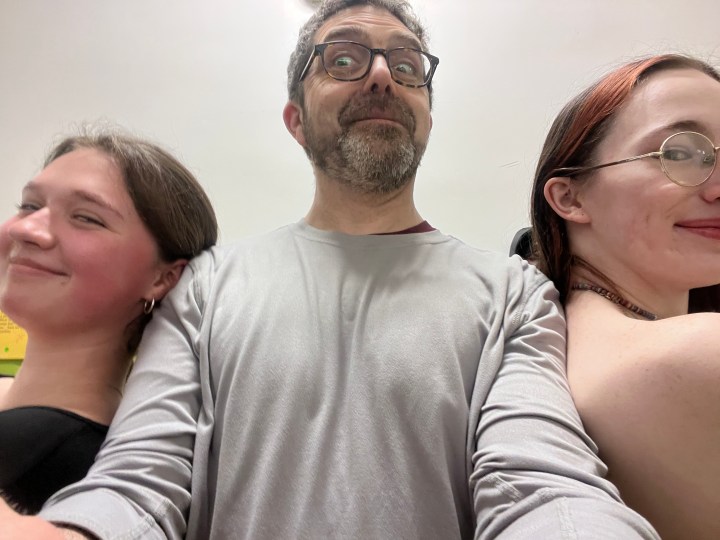
I think our project should really emphasize Mikey Van Gulden’s quote “ It is okay to take the cotton out of your mouth and to put it in your mouth, it is okay to listen.” This is a very powerful quote that can be broken into many parts, like equity and empathy. I want the project to influence the audience to leave the place wanting to be a better person — not only for their own benefit, but for the people around them. Connecting back to our main BCL question of What does it take for a community to thrive? I want them to leave wanting to make changes that can make our community thrive. Everybody can have their own impact, as long as you try your best to put in the effort. All it takes is dedication. I want the audience to feel many of our BCL values like joy, hope, community, and deep learning.
- Michee
Theater can help a community thrive in many ways. For one, it gives people a place to express themselves, while others can watch and find a deeper understanding of the human experience. Theater is a way to communicate deeper messages to a community by helping spread messages about current events that need to be addressed. Theater can make big ideas that feel hard to tackle, small and more approachable. As soon as you are able to see a problem in a closer way, then you are able to begin to make an effort to create impactful change. Theater is a way to bring people together and give them a shared emotional and creative experience that builds a sense of connection, belonging, and understanding, all which are essential pieces in a thriving community.
- Frances
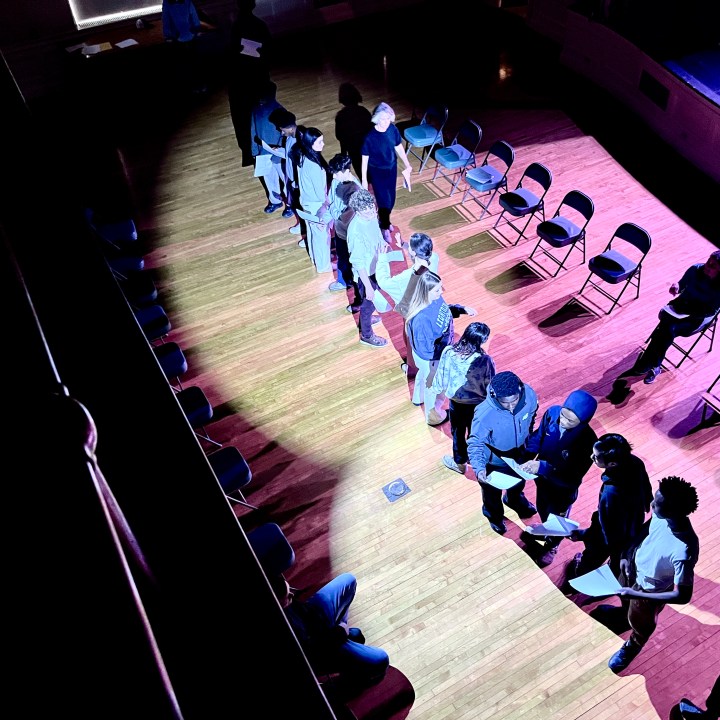
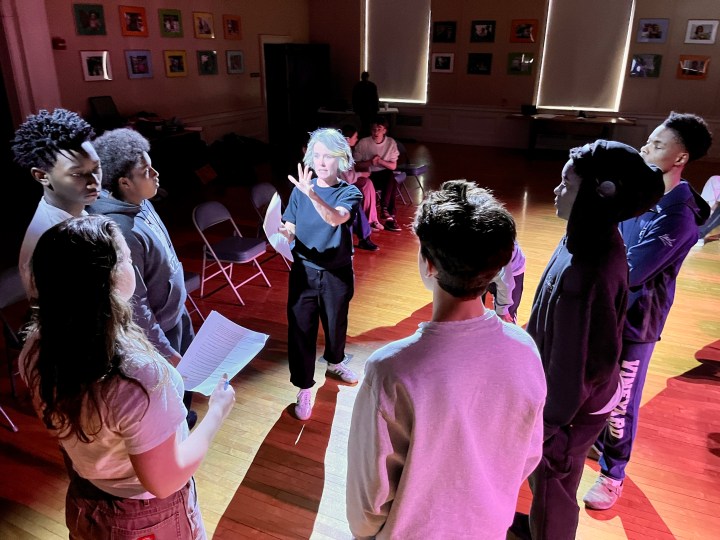
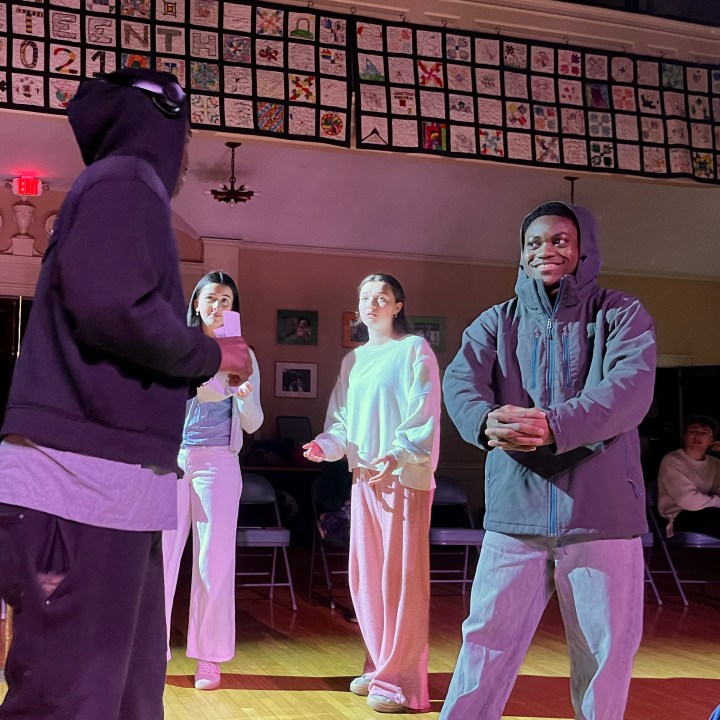
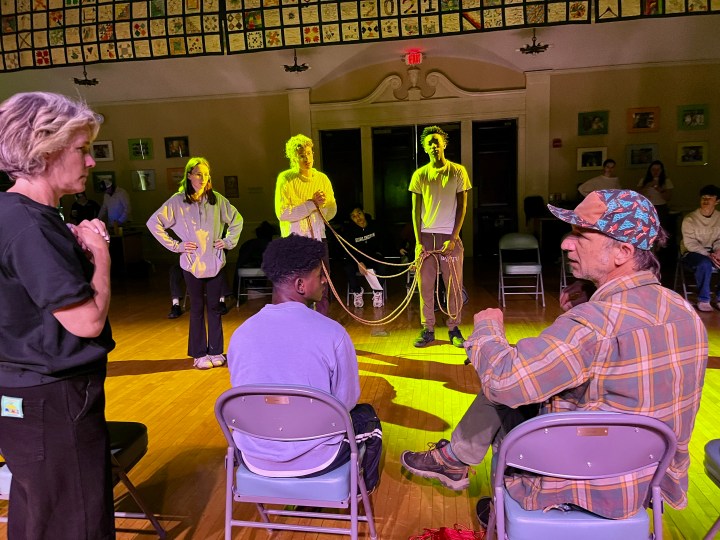
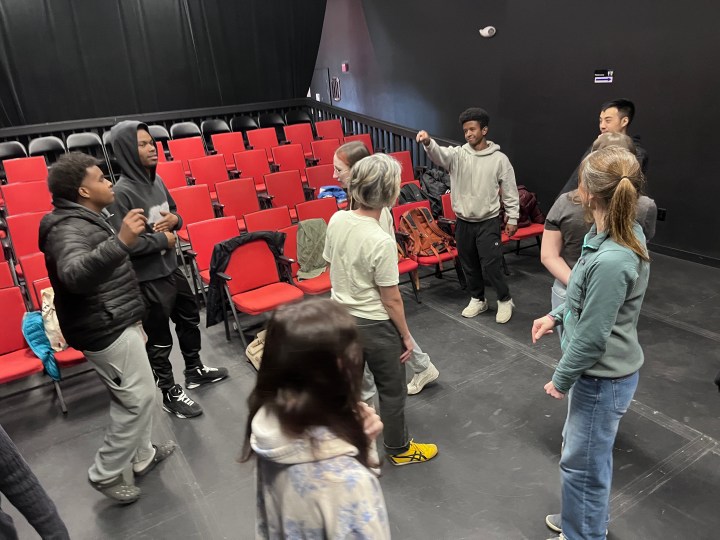
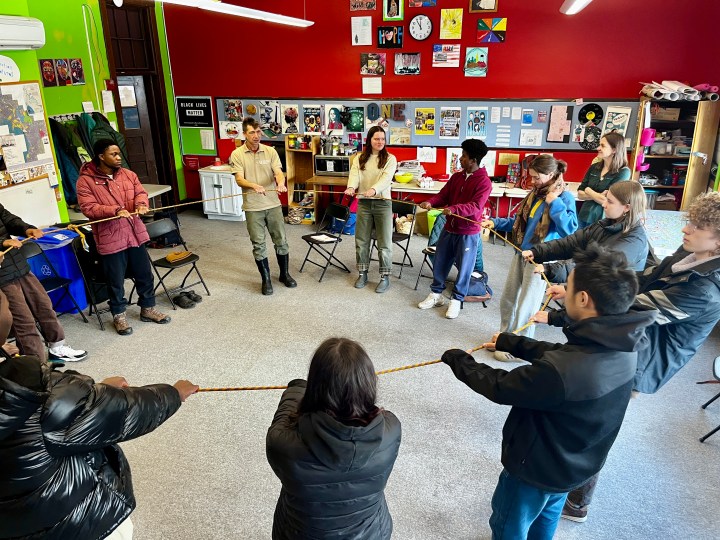
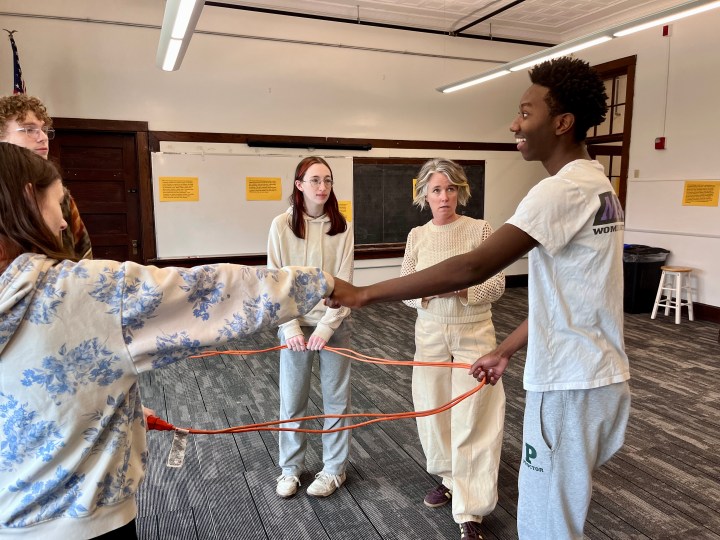
An interesting experience we had at BCL was our time at Contois rehearsing our play. During our time at Contois, we refined and improved our scenes. We also were thinking of ways to include the audience in the plays and make sure that they were engaged the whole time. I liked having Neil Preston there to guide us through his rope analogy and help us navigate it. And with the help from Neil, we were able to improve our play by a significant amount. I feel really proud of this scene, and how it is meant to be an analogy for humanity and kindness and empathy. The audience is also involved in this analogy, and that makes it even more impactful because it’s relatable for the audience and they feel like they are a part of the play.
- Mahdi
Our art project makes an impact not only on us but also on our audience. It represents real world problems and different values that we have in our community. It represents hope for our community and it might be the thing that can help bring awareness to our community. Some of the project uses Neil Preston’s demonstration of what a community is like when there is a disturbance around it, and how the only way to fix that is being closer together. This project could just be what the community needs to uplift them, and BCL made that possible.
- Imraan
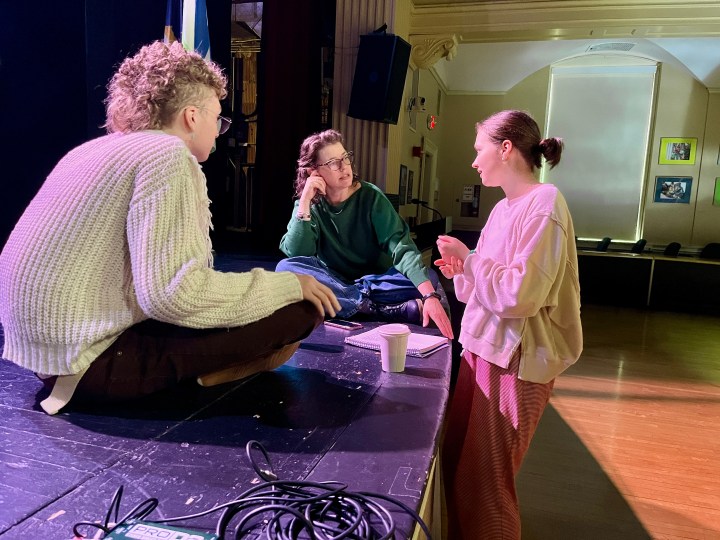
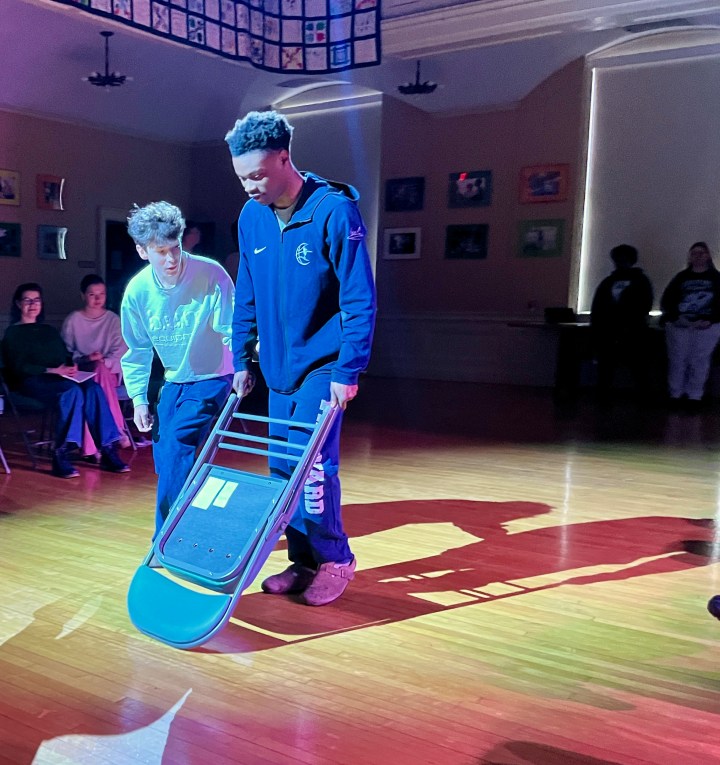
Our performance [will help] Burlingtonians to see and better understand the issues that we’ve explored this semester at BCL. These issues include the housing crisis, the opioid prevention center, and how complicated decision-making and problem-solving are in Burlington, and many more. We aim to provide a deeper understanding of what we have learned and share that with the community through this performance. Our art project explores themes such as community wrapping around those who need it, bringing marginalized people into the community rather than pushing them out, and the complexity of decision-making in our world today.
I hope that this project will cause our audience to think more deeply about these issues and to possibly be moved to action. I think it might be interesting to have ways that you can get involved at the end of our performance. A lot of BCL was vulnerable for me, and theater is a special kind of vulnerability. You are sharing with the audience your energy and your emotions. I hope that our audience will be receptive and will have a sense of mutual vulnerability. Our piece, I think, connects to the BCL value of community because we are bringing the community together, and I think it also connects to civic engagement because hopefully our piece will spark conversations, decisions, and action in our audience.
- Adele
I want this art project to impact the audience by helping them understand the struggles our community faces, which we’ve learned about throughout our BCL experience. Everything we create will symbolize these issues in physical form, such as rope and similar materials. Our art project connects to BCL Themes such as community, social justice, and civic engagement. BCL topics show up too — like the homeless crisis.
- Dunia
I think in an ideal world, our BCL creative project would hit on these main three things that theater can do: create community, educate the community, and provide a space for emotional processing for the Burlington community. For creating community, we should make sure the performances are engaging and fun to attend. The more people we can get into the room engaged, the more connections can be made. For educating communities…there have been so many unique experiences and perspectives from our time working with community partners across the city that need a platform to be shared… If shared in the right way, they could provide a space for reflection on some of the traumatic events that have befallen Burlington.
I’m thinking back to Neil Preston’s story of the unhoused man who passed away in battery park this winter, or Kara Alnasrawi’s story of the mother who passed away from a drug overdose because there was no overdose prevention center. There are other stories that are less heavy, but still deserve real grief, like the loss of Burlington Ash trees. This would be a delicate balance for us to strike…but if we do it right it could be powerful.
- Keats
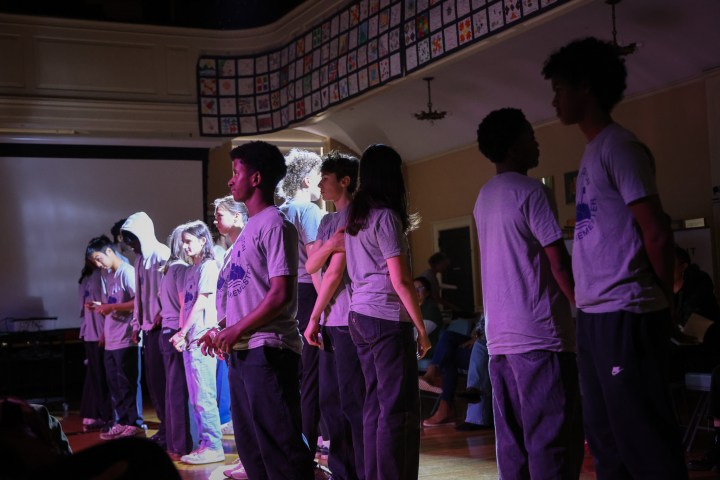
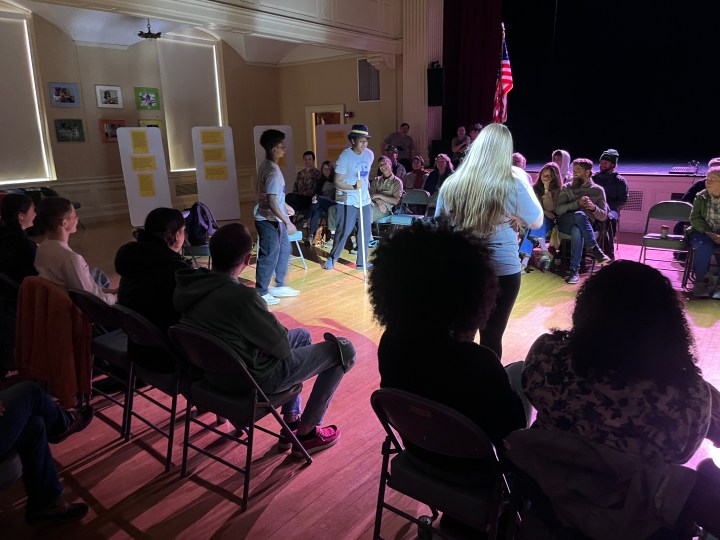
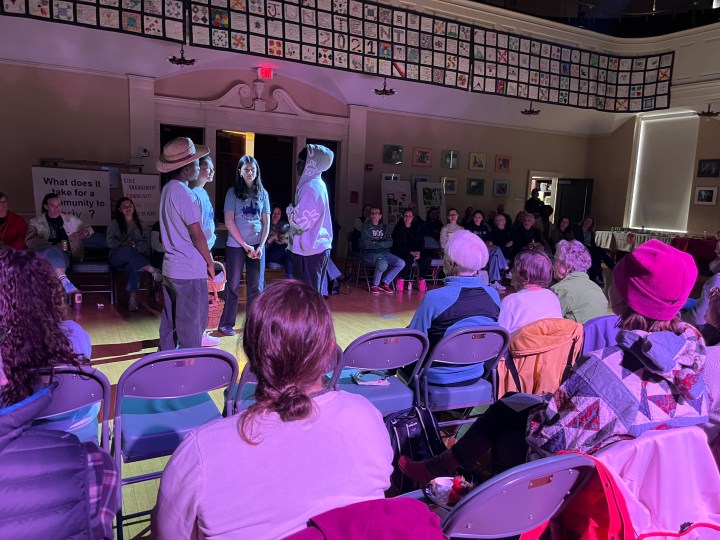
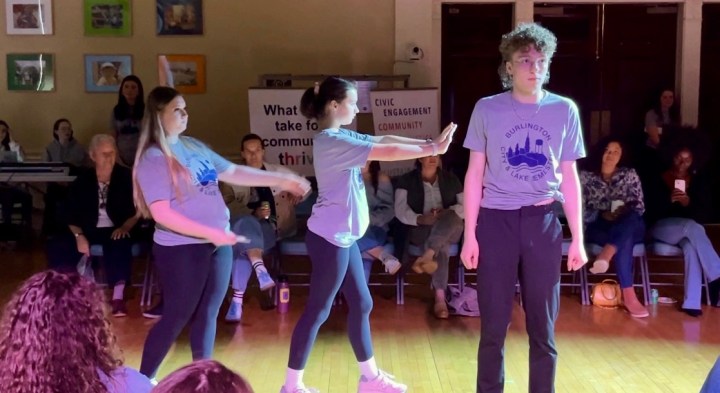
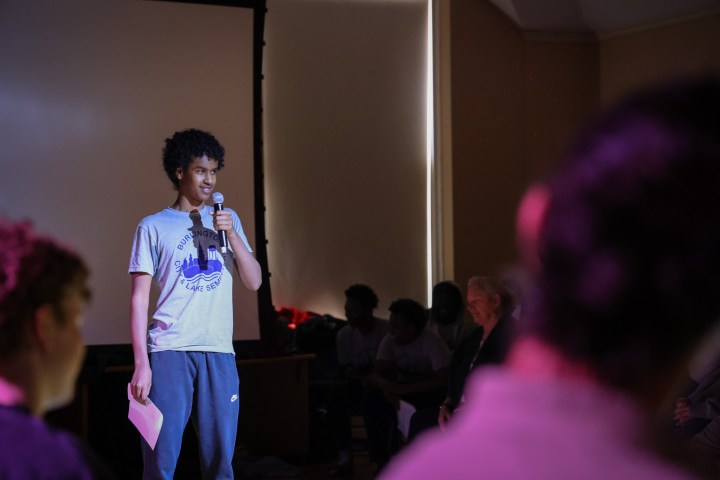
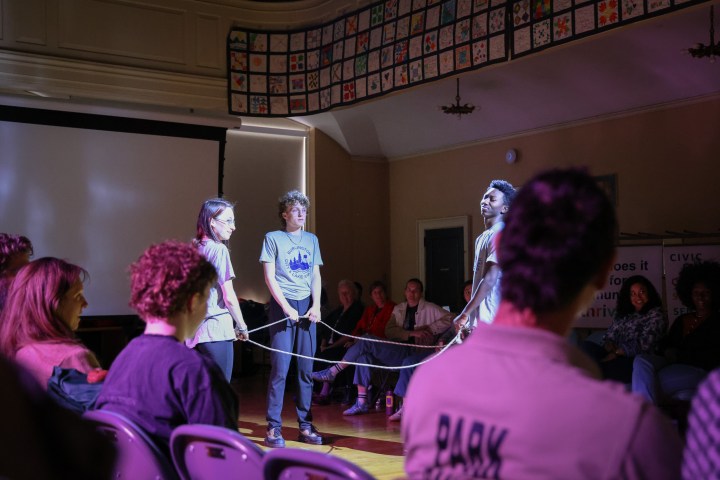
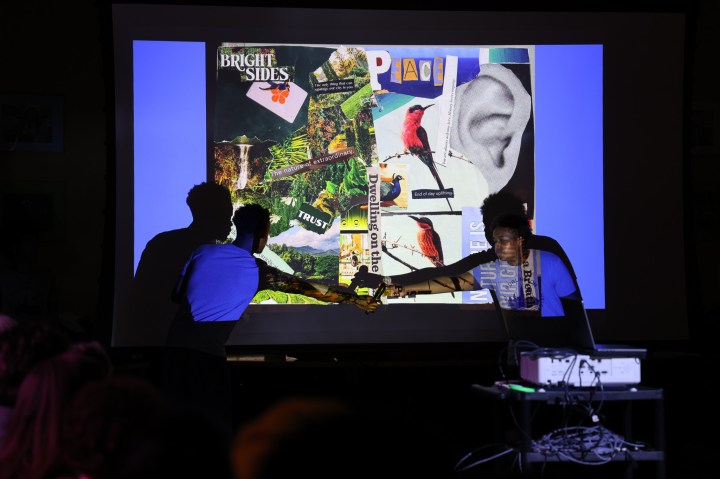
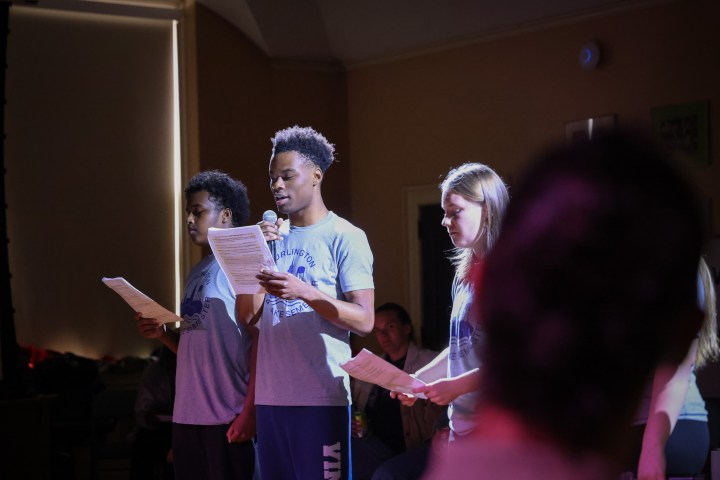
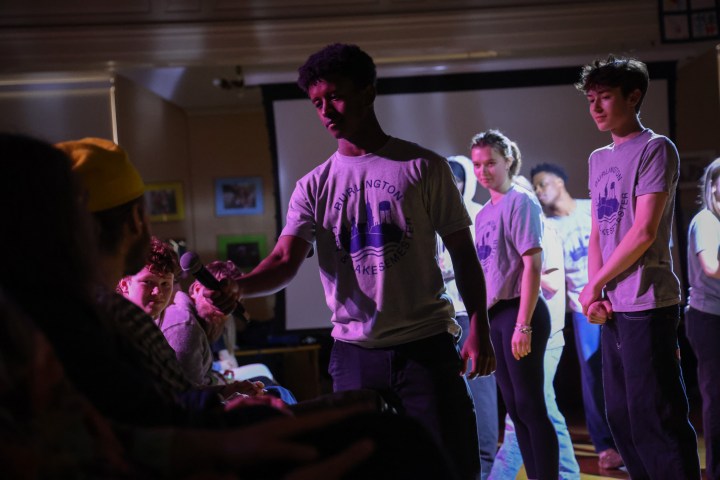
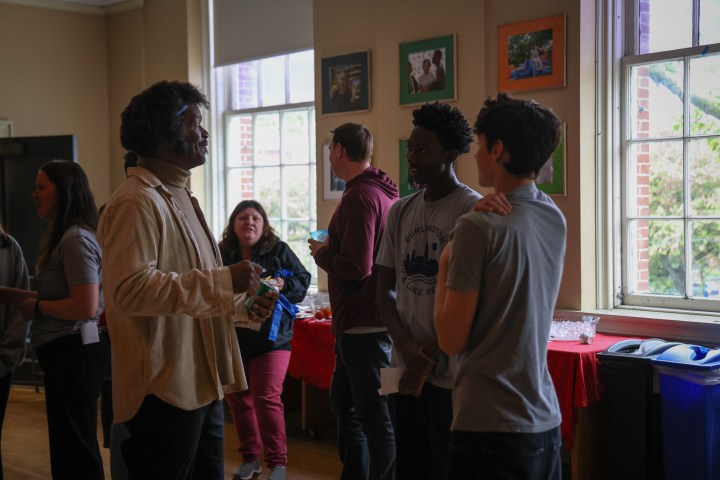
We hope the audience felt welcomed, and that they got a better understanding of challenging issues, and come away with a different perspective. We hope it was also a space where people could feel like they can talk about anything, and that they weren’t ashamed about that. There aren’t many places that feel that open.
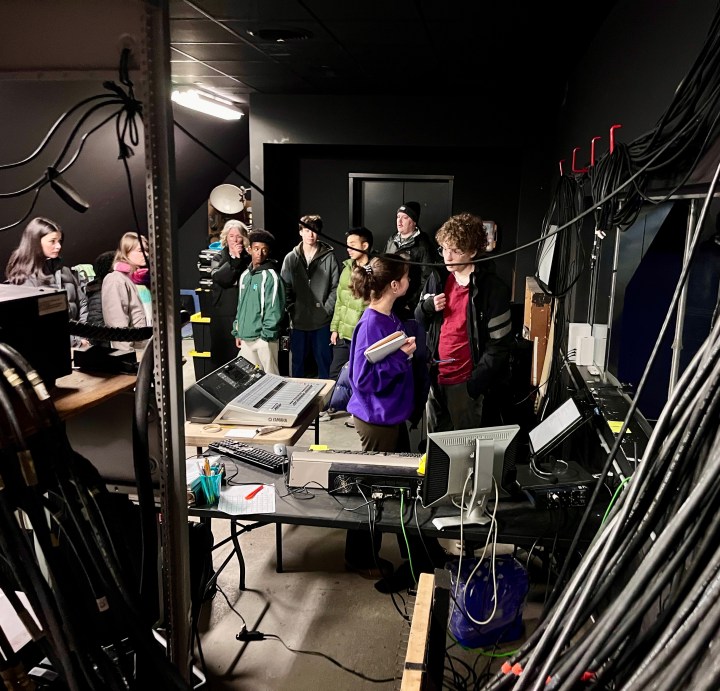
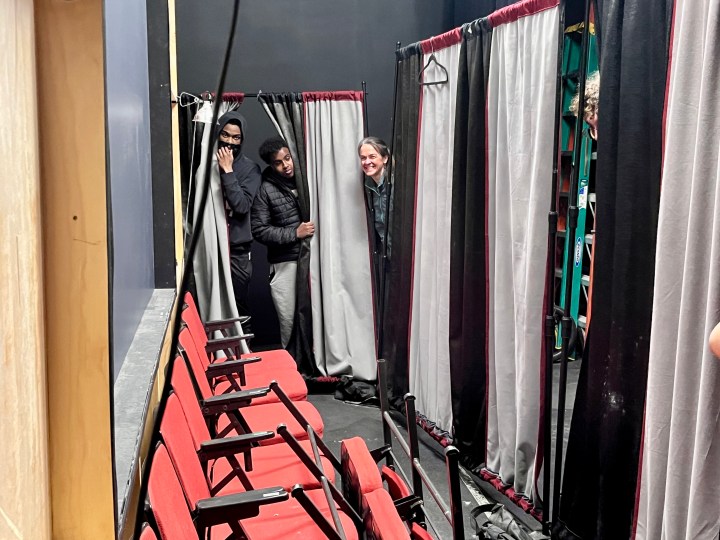
So many people deserve shout outs. First the two of us for rocking the lights and actually going out on stage, but also everyone else for stepping up and rocking the show, having to project their voices louder then normal. Also, a shout out to all the people in the audience who shared out.
- Callee & Taiya
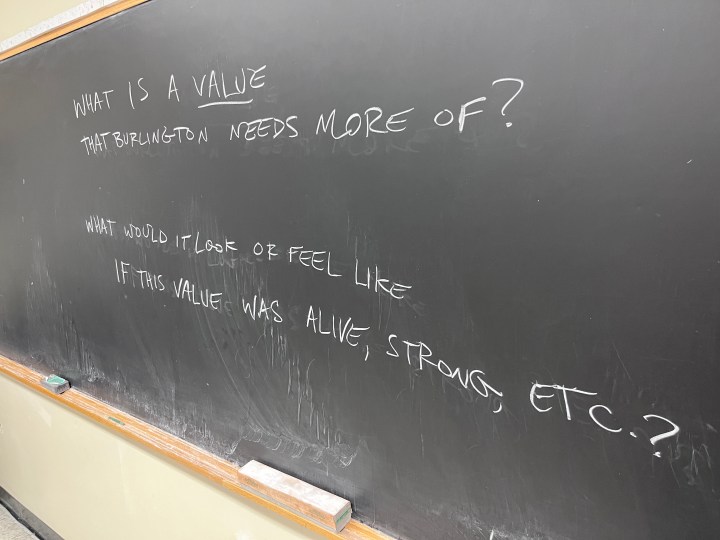
My hope is that our theater project brings our community closer together by helping people feel seen, heard, and connected. Through the scenes we’ve been creating like the ones about values Burlington needs more of we can show real issues and emotions that people experience but don’t always talk about. I want our project to make the audience think about how they treat others and what kind of community they want to be part of.
It connects to BCL values like empathy, collaboration and creativity because we’ve worked together to build something meaningful from our own ideas. It also connects to our inquiry work by turning our questions about community into something people can actually feel and respond to. For our BCL group I think this project can strengthen our trust and confidence since we’ve had to share ideas, take risks and support each other. Overall our theater event should not just entertain people but inspire them to reflect, connect and maybe even take action in their own lives.
- Najib
During my time with Amy, I realized a lot about theatre but also a lot about myself. Doing the improv games and putting on our show, theater has pulled me out of my shell in ways I never thought it could. Performing in front of people and having to come up with skits on the top of my head has shown me that vulnerability became my greatest strength. Learning to embody different characters taught me to understand perspectives beyond my own, which made me more empathic and open in my everyday life. What surprised me the most about theater though, was discovering that theater is far bigger than any one performer, it is a communal art form that brings people together both on and off stage.
I’ve seen this with my classmates at BCL. While creating and performing our skits I have noticed myself and others becoming more close and tightly knit… Everyone is very close, and it brought us together in really special ways. For me, theater was a personal breakthrough, but I think its greatest gift is the reminder that we are all stronger, richer, and more alive when we create and experience stories together. What would our communities look like if everyone had the chance to step into the spotlight, even just once?
- Hannah
 Burlington City & Lake Semester