In a conventional classroom, both the teacher and the students have their eyes on the clock. The teacher is often focused on how much time there is for the lesson, judging how much space to leave for digressions, but acutely aware of where the class needs to be by the end of the block. Meanwhile, a few students may feel that class isn’t long enough; others may watch the minute hand drag.
In the Burlington City & Lake Semester, time feels different. It’s not marked by bells, or blocks, or the progression of the minute hand. Conversations, projects, exploratory walks… they all unfold at their own pace. Each encounter, each experience is just as long as it needs to be. Our tempo is determined by emergent opportunities and authentic processes, rather than a scripted timeline.
The program’s connection to place also allows us to mark time based on natural systems, which flow and shift. The seasons don’t care about human-fabricated increments — minutes, hours, or the length of “Block Three” — any more than watersheds care about political boundaries. Phenological markers, events that can be mapped to the changing seasons, are as good a clock as any.
Most BCL blog posts are filled with student writing. Here, we’ll let images and videos tell the story. The good news is that nature is always there. All we need to do is show up, and pay attention.
February
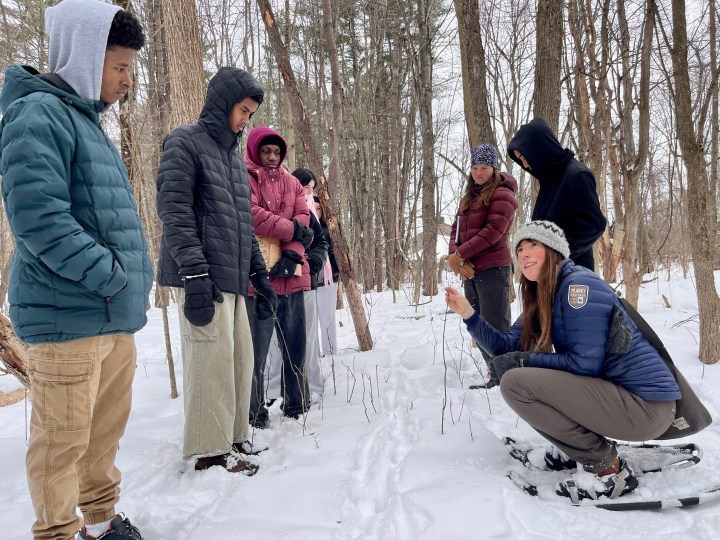
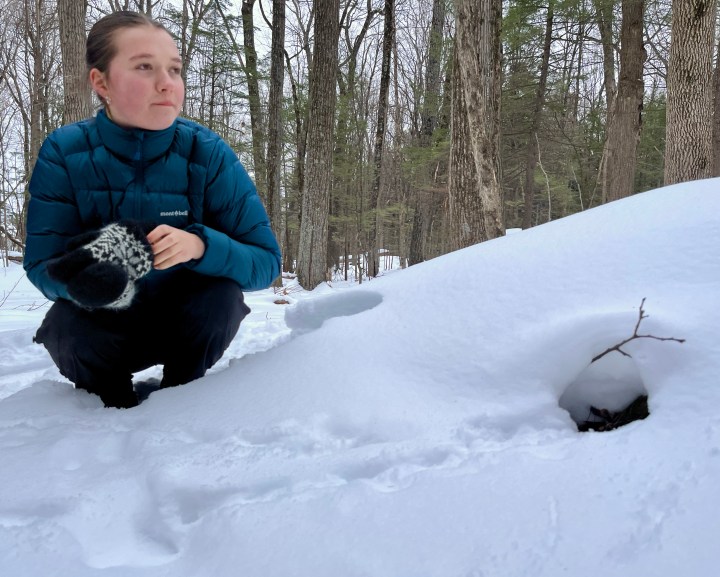
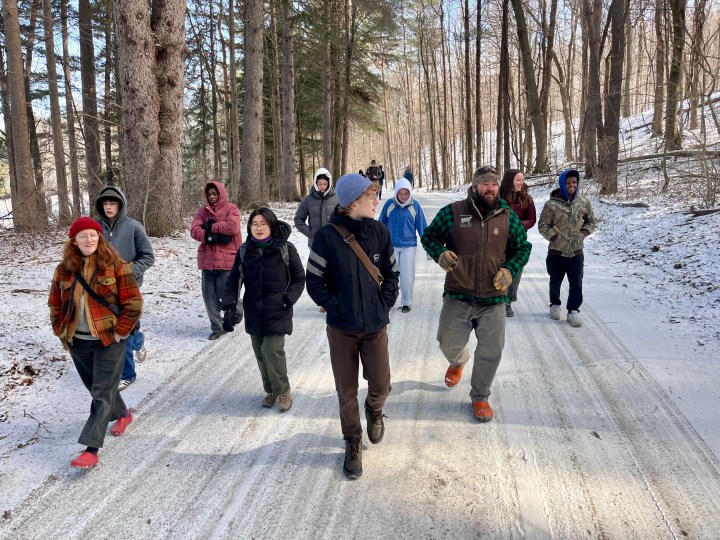
Master tracker, Sophie Mazowita, led us through Arms Forest.
The conditions were wintry…
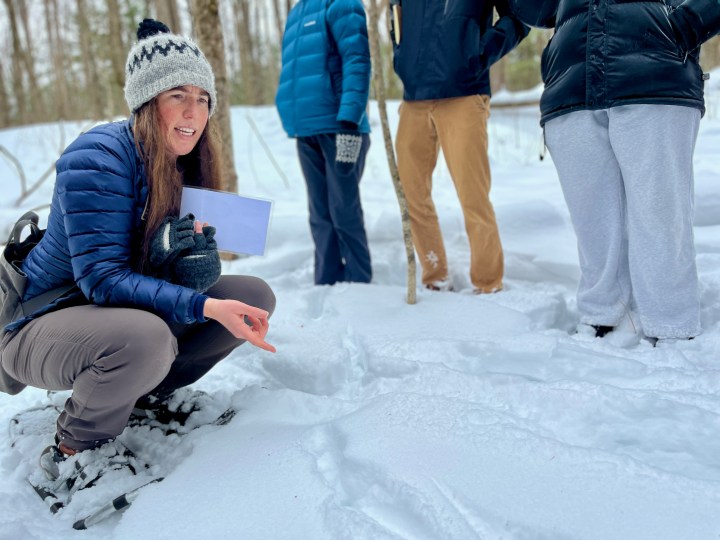
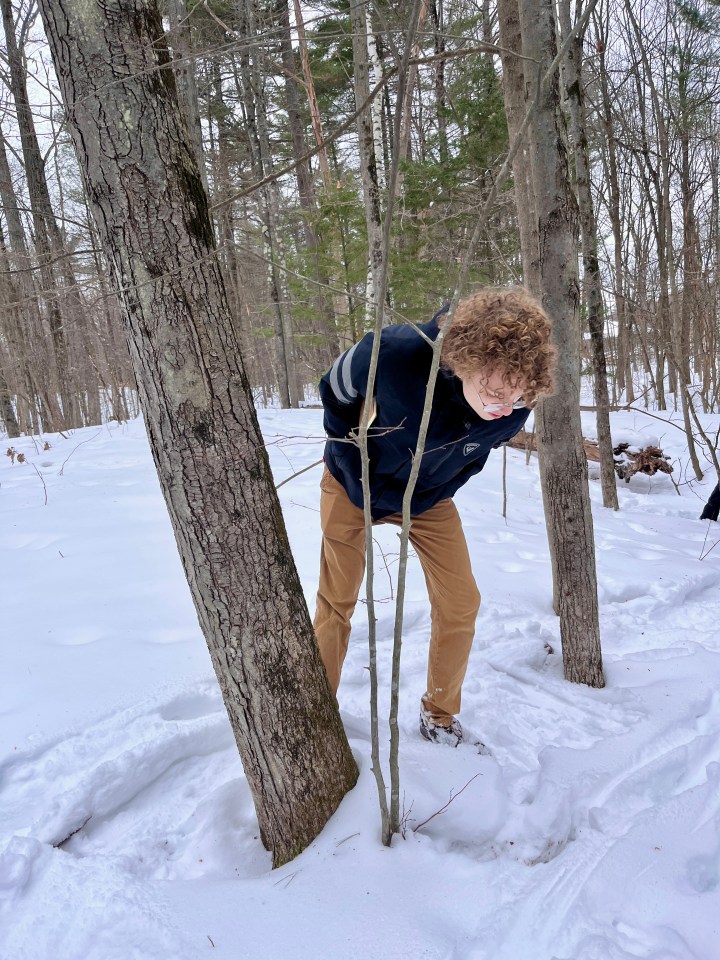
…but in the snow, we were able to read the recent history of our non-human neighbors.
When we read the landscape, we know we’re not alone.
Fying squirrel tracks? It certainly looked like it!
With community partners from Parks, Recreation & Waterfront and Burlington Wildways, BCL16 visited the city’s newest protected natural area.
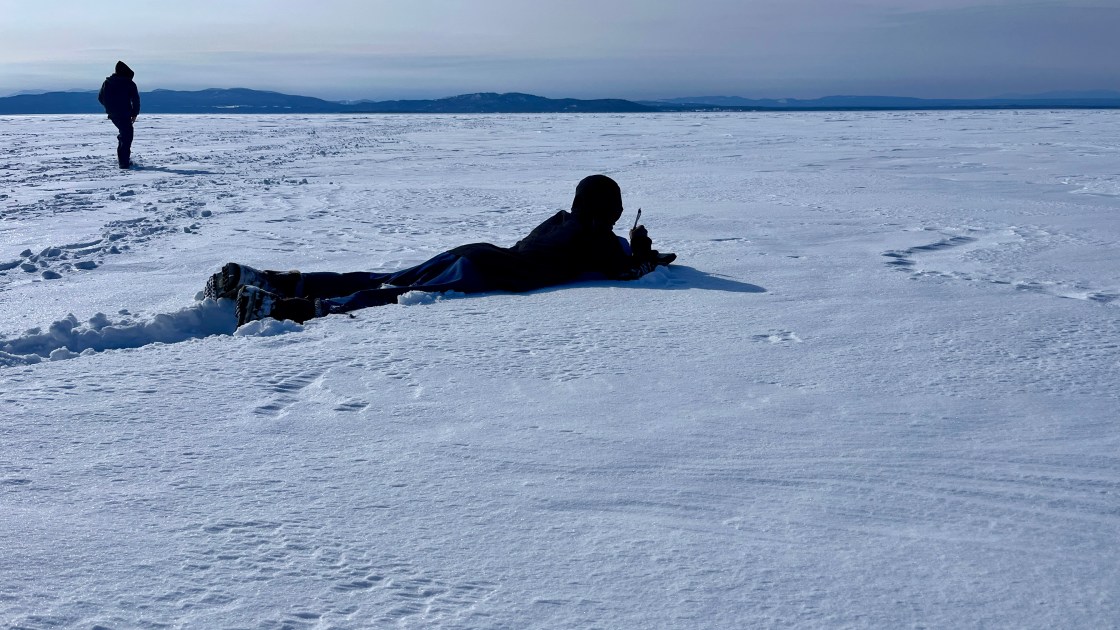
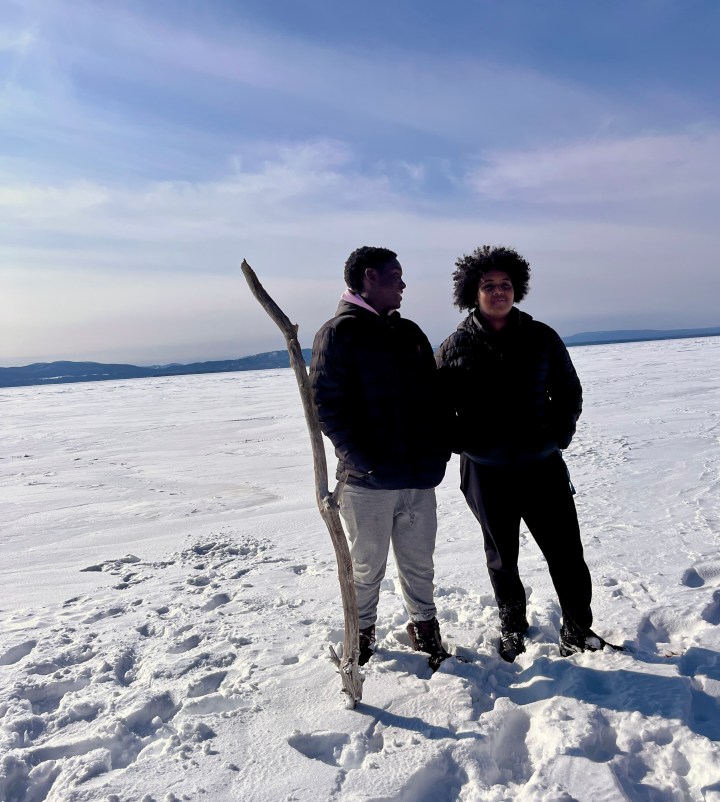
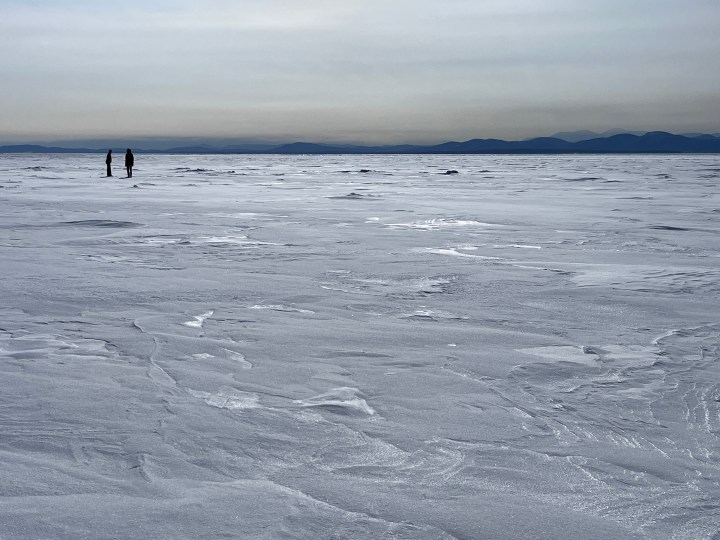
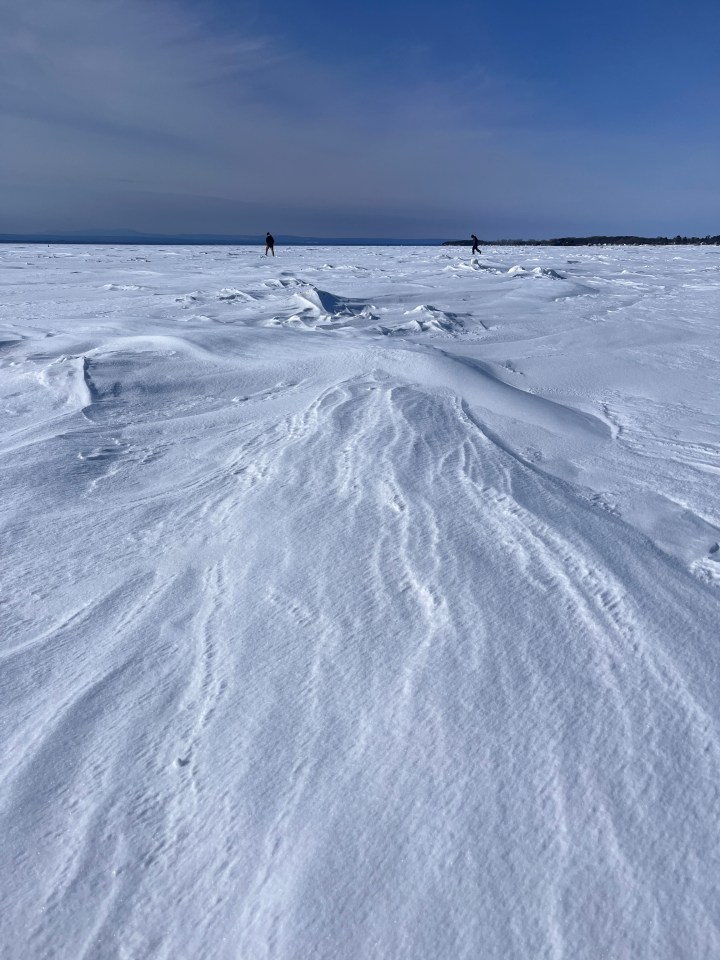
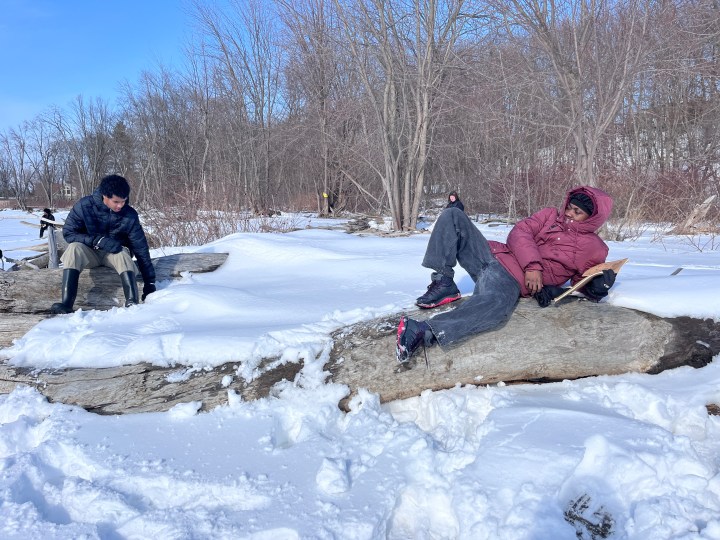
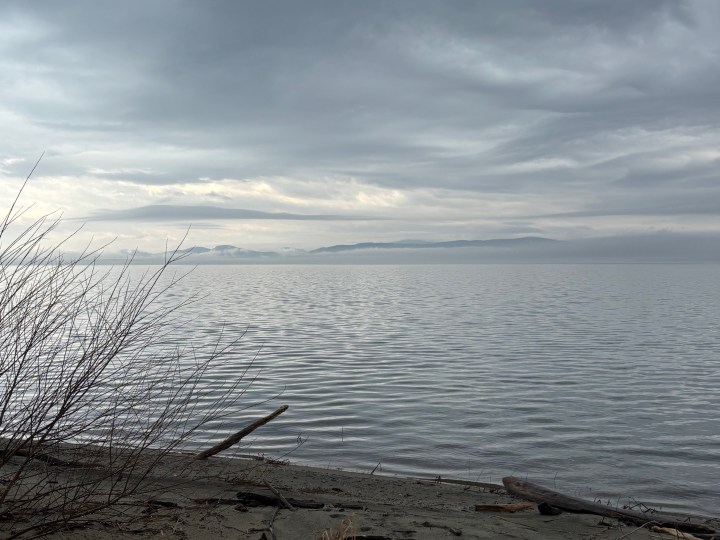
In 2026, Lake Champlain froze for the first time in seven years…
…and the landscape of ice felt like a wilderness.
It was otherworldly…
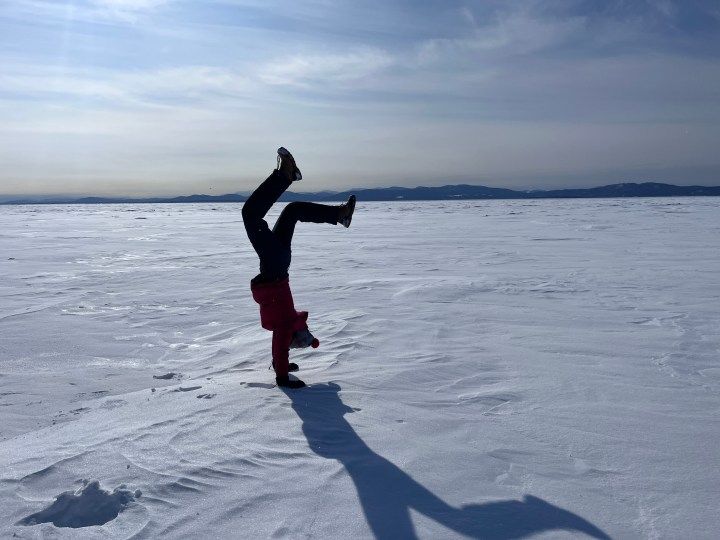
…but it also brought out our childlike sense of play!
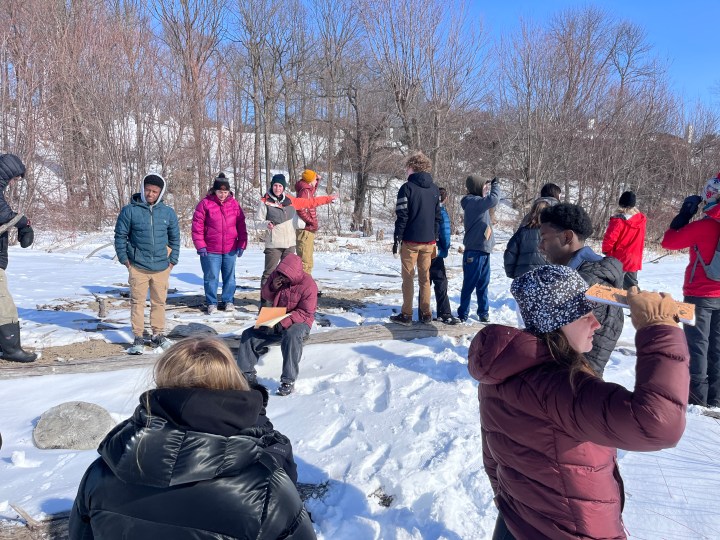
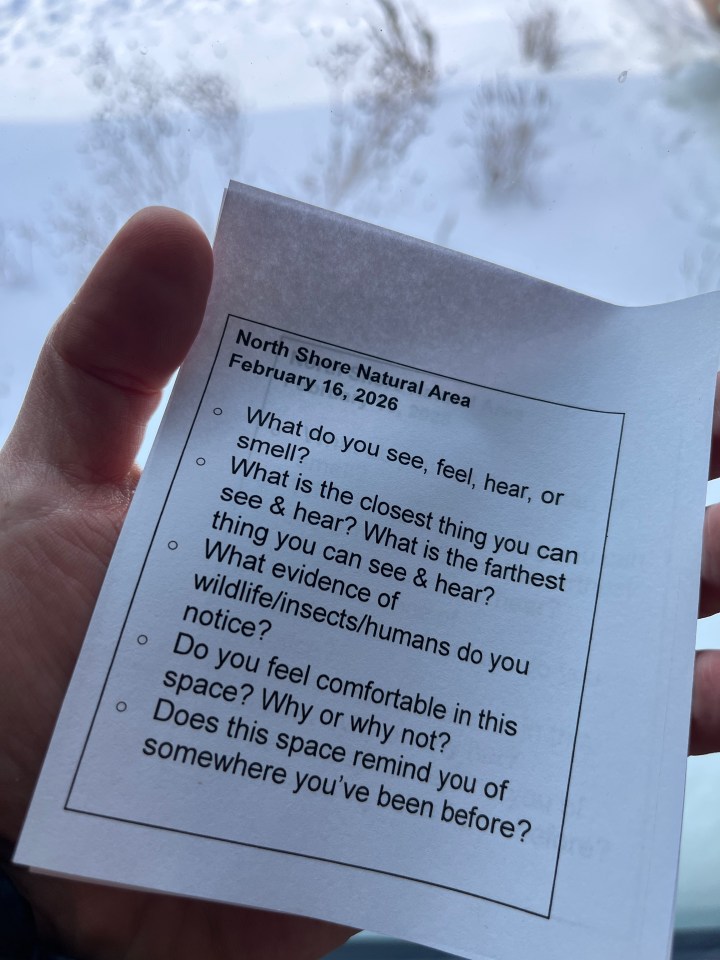
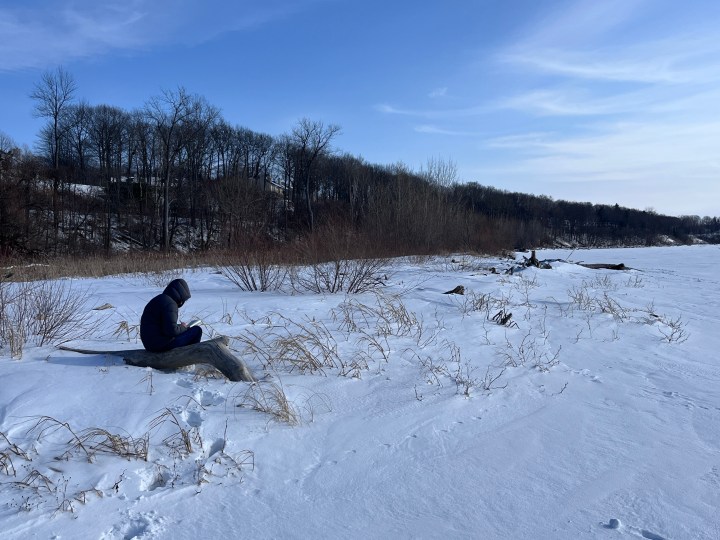
Diane Hannigan, Nature-Based Solutions Field Coordinator for Burlington Wildways, invited us to pause and reflect.
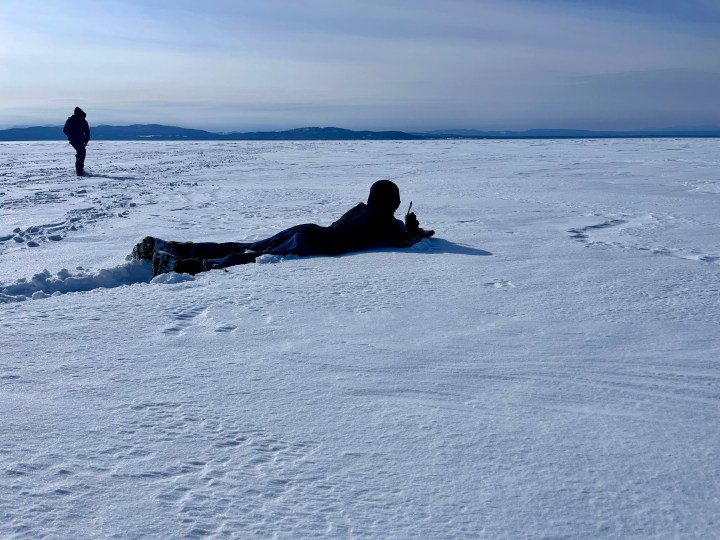
Students spread out and found their ideal spots…
…to open their journals…
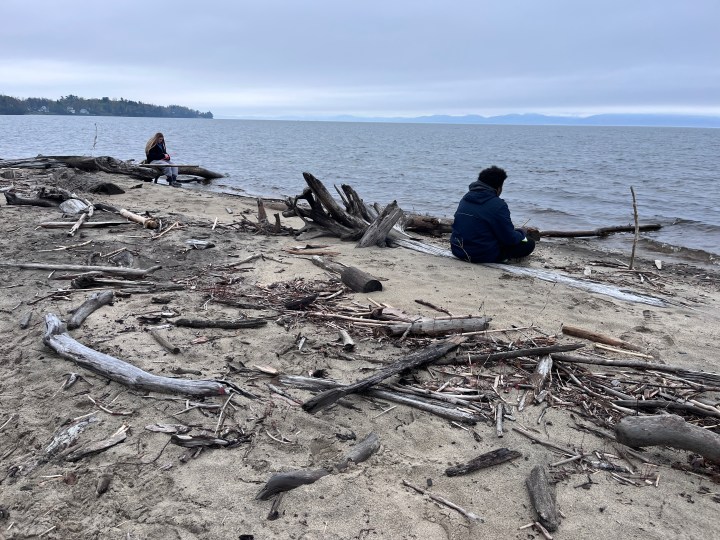
…and to be present in the moment, and in the place.
March
When late-winter blended into early-spring, we visited Shelburne Farms.
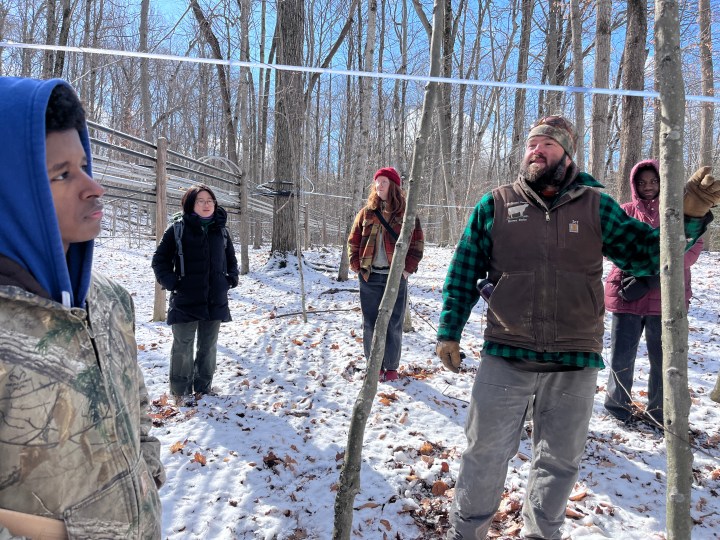
Jer Bessette introduced us to the sugarbush…
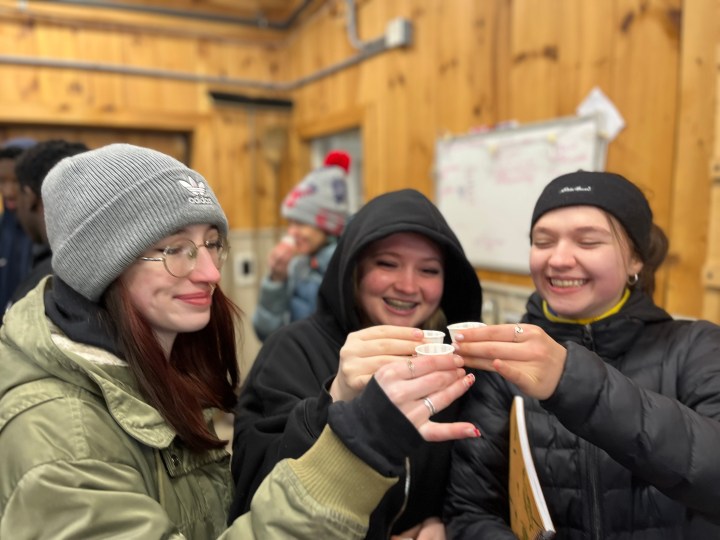
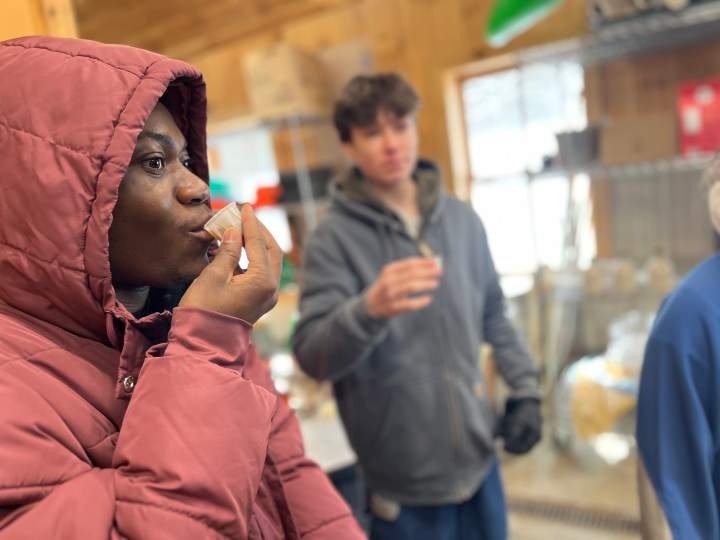
…and we tasted the fruits of an early sap run!
Some of us tasted notes of butter pecan, others tasted caramel.
Fresh syrup? Heavenly.
A few tried their hand at tapping trees…
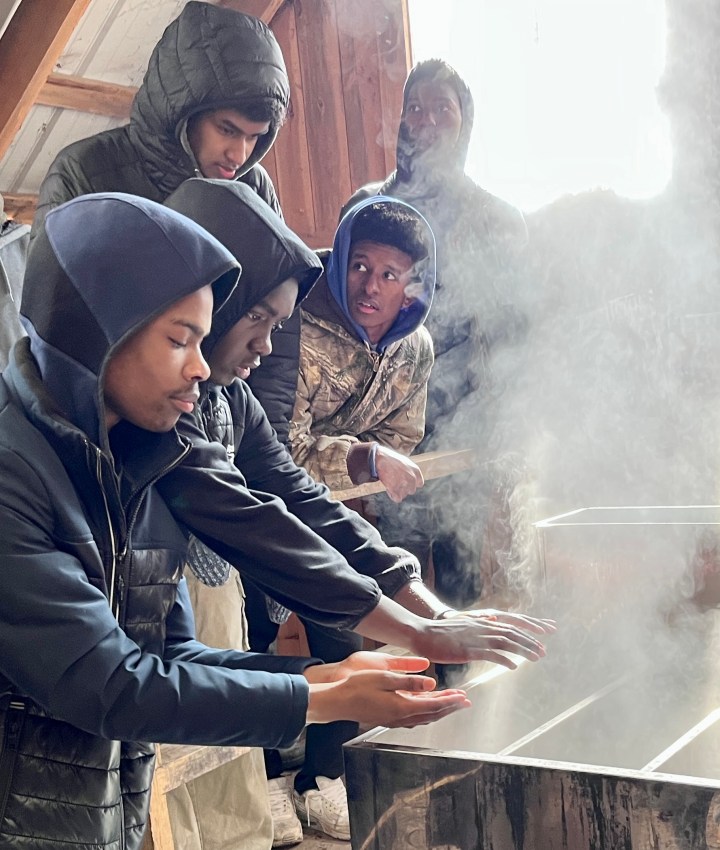
…and we all gathered in the demonstration sugarhouse…
…for a sap steam spa!
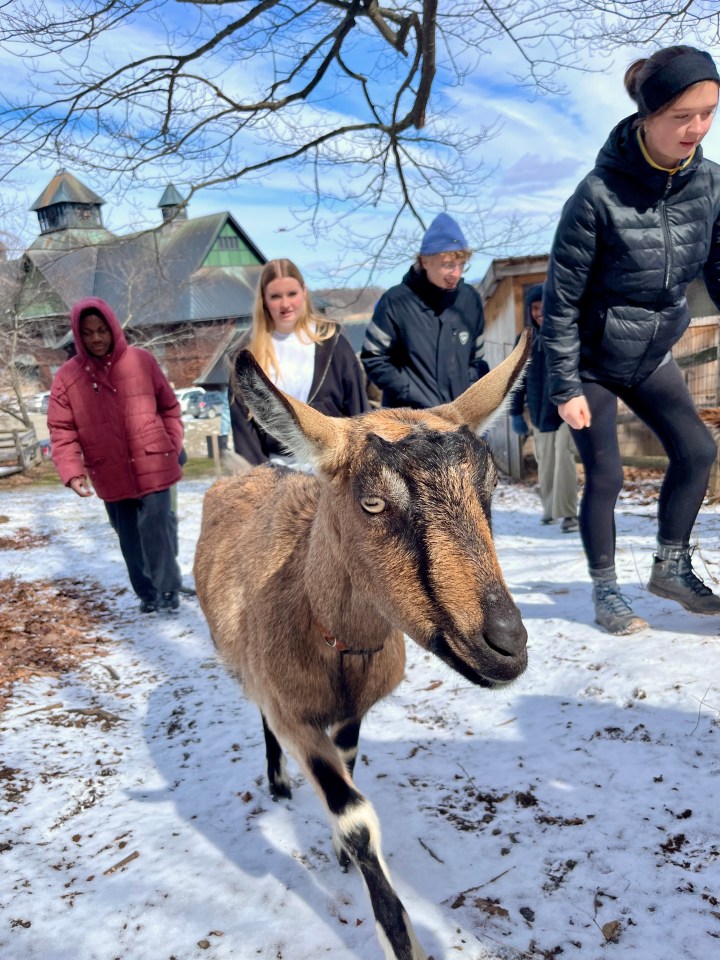
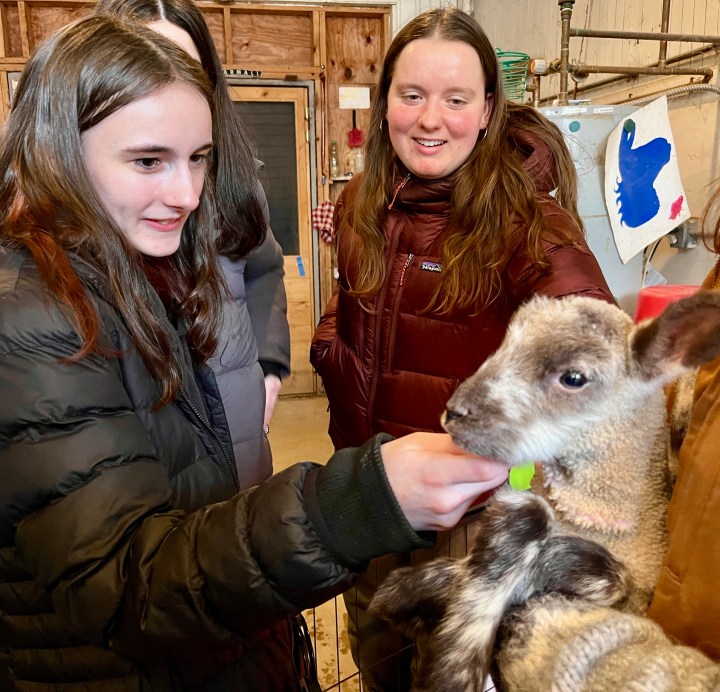
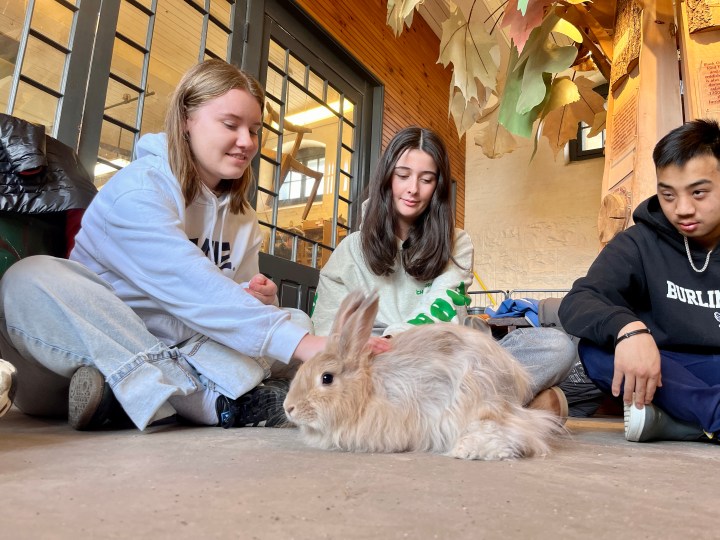
Later in the afternoon, we spent time with new friends.
They were happy to greet us.
Some were only a few days old.
Spring on the farm…
…was bursting with life!
April
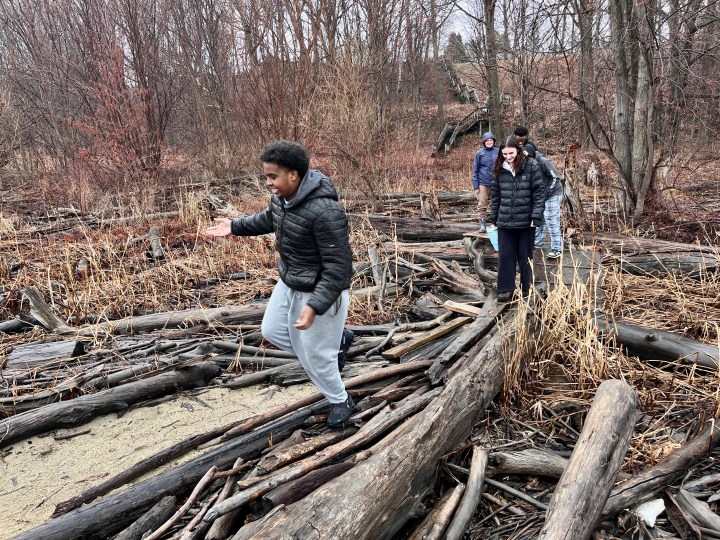
Later in the spring, the natural area that was once a frozen wilderness…
…had transformed.
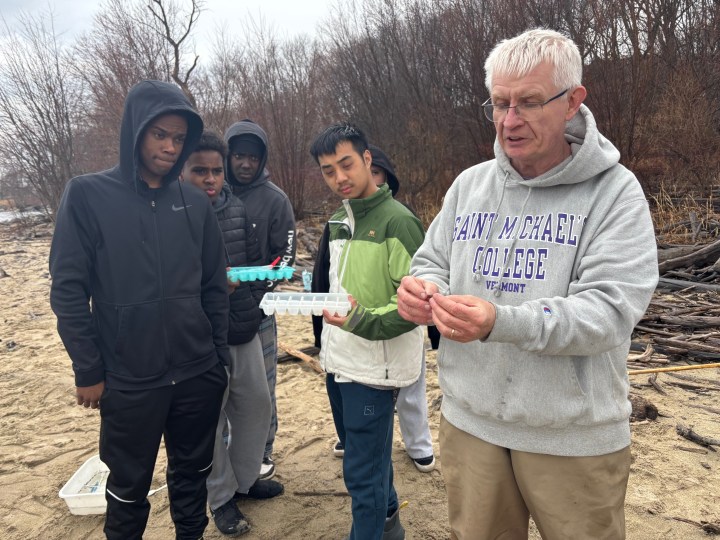
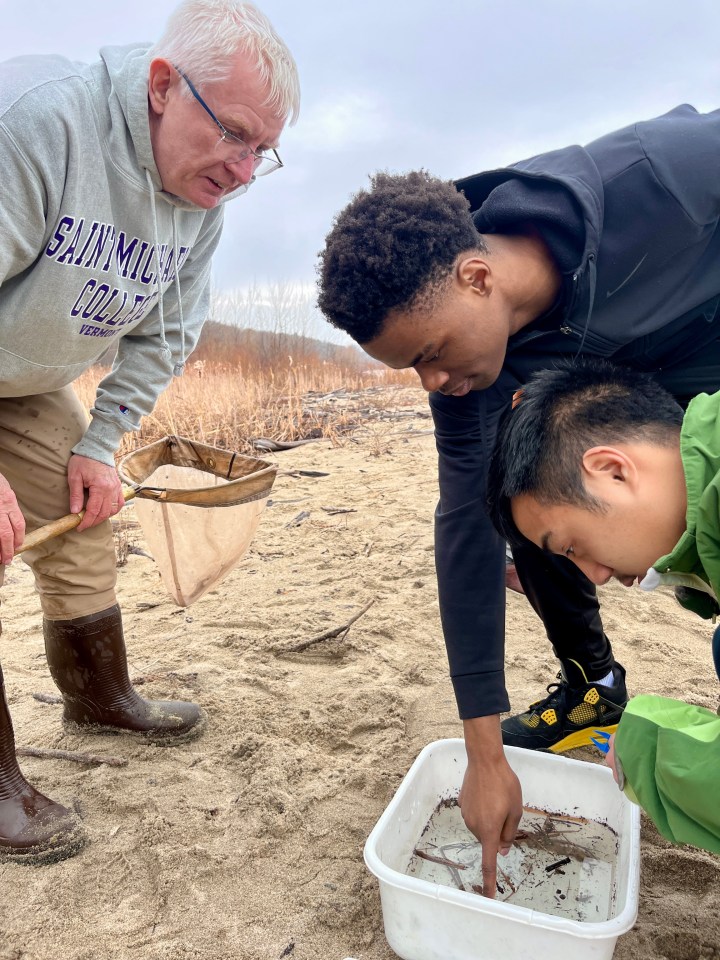
Freshwater ecologist and St. Michael’s professor, Declan McCabe, introduced us to some of the wetland’s smallest residents.
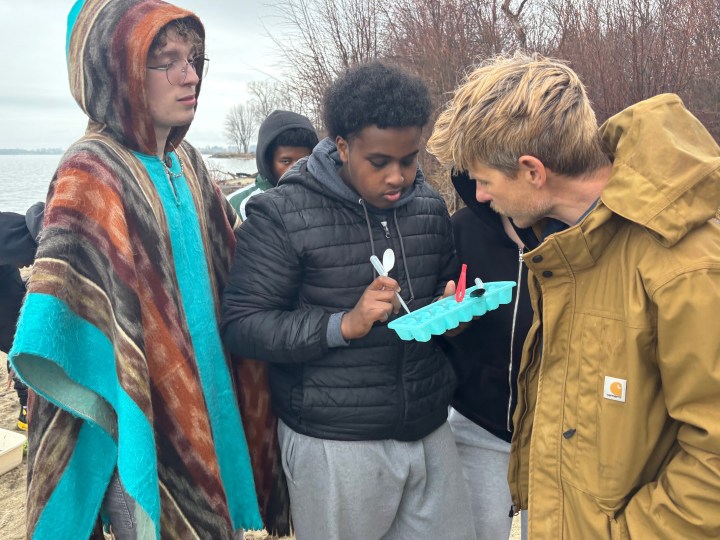
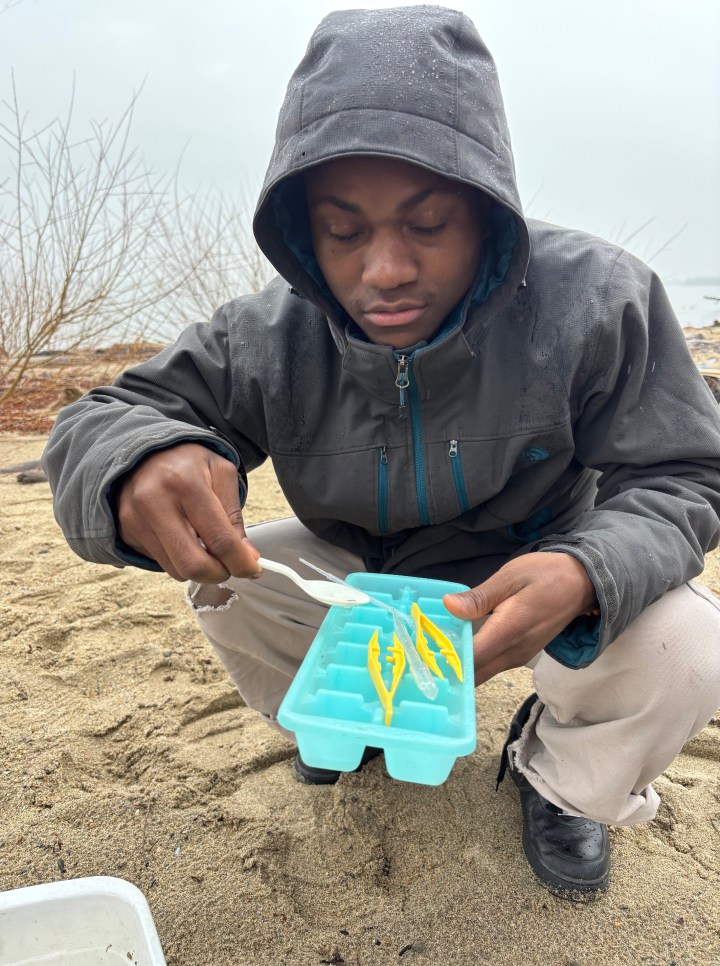
We found insects, annelids…
…and far more microdiversity than we expected.
We played the role of scientist…
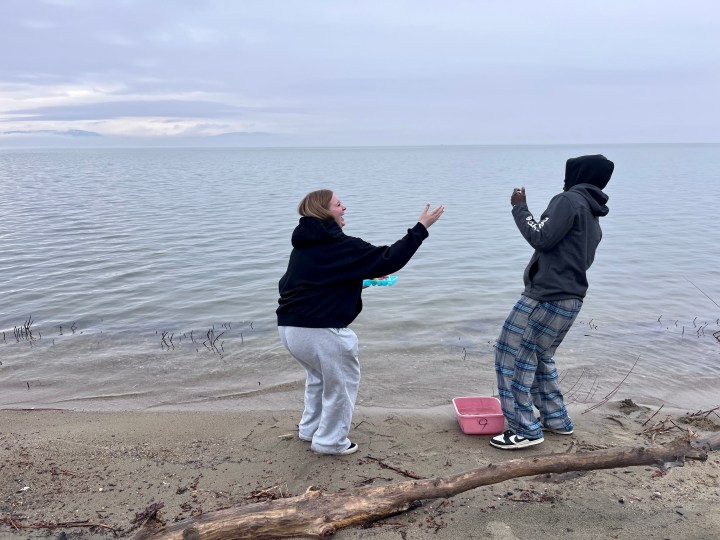
…and we also just played!
No two seasons–and no two days–are alike.
May
After a long, cold April, new leaves emerged.
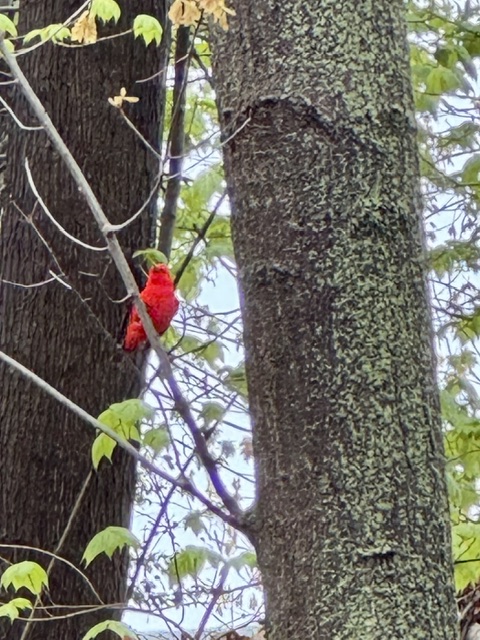
As we entered the woods of the conservation area, we were greeted by a scarlet tanager.
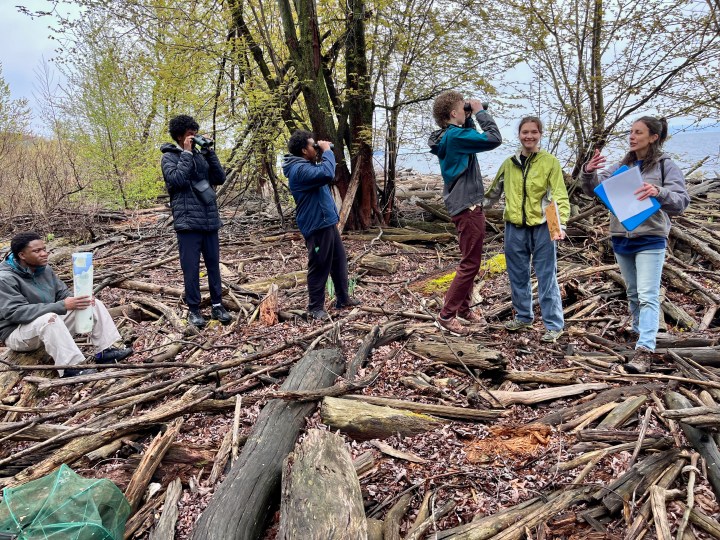
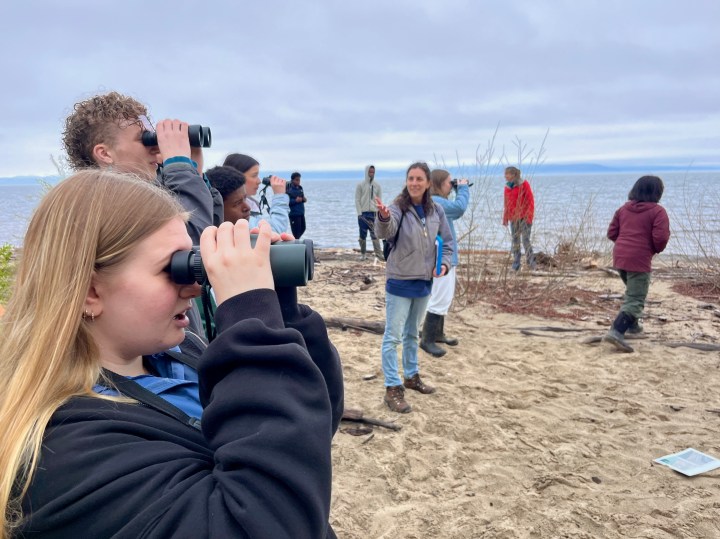
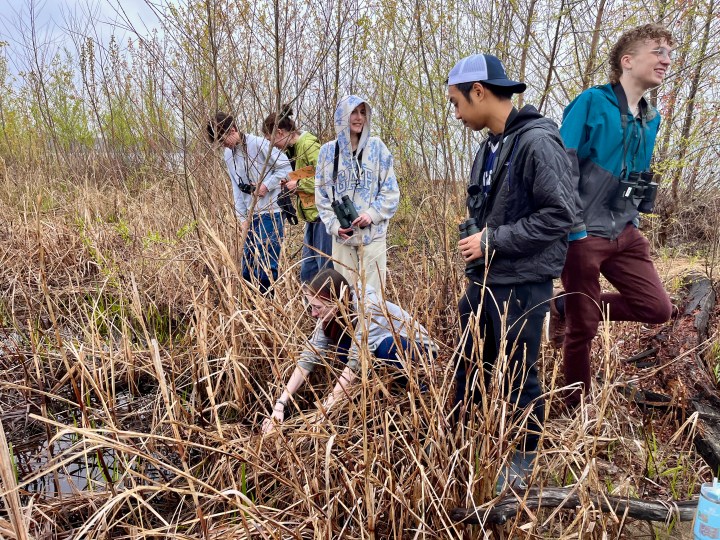
Diane invited us to reconnect to this place, and with binoculars there was so much to see.
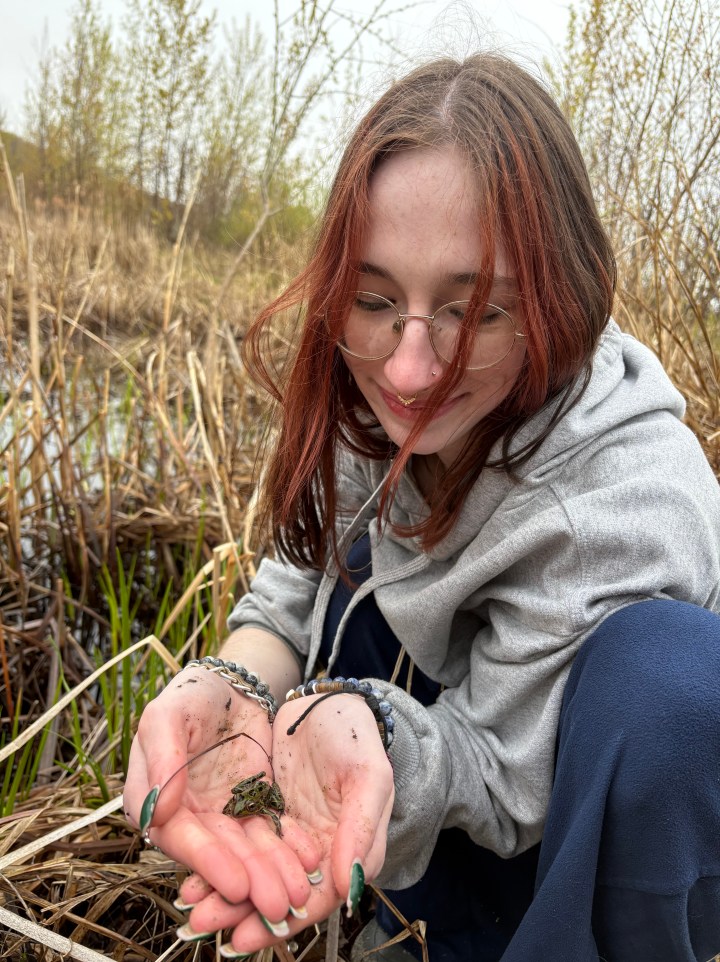
At the edge of the wetland, the animals were right there —
…leopard frogs…
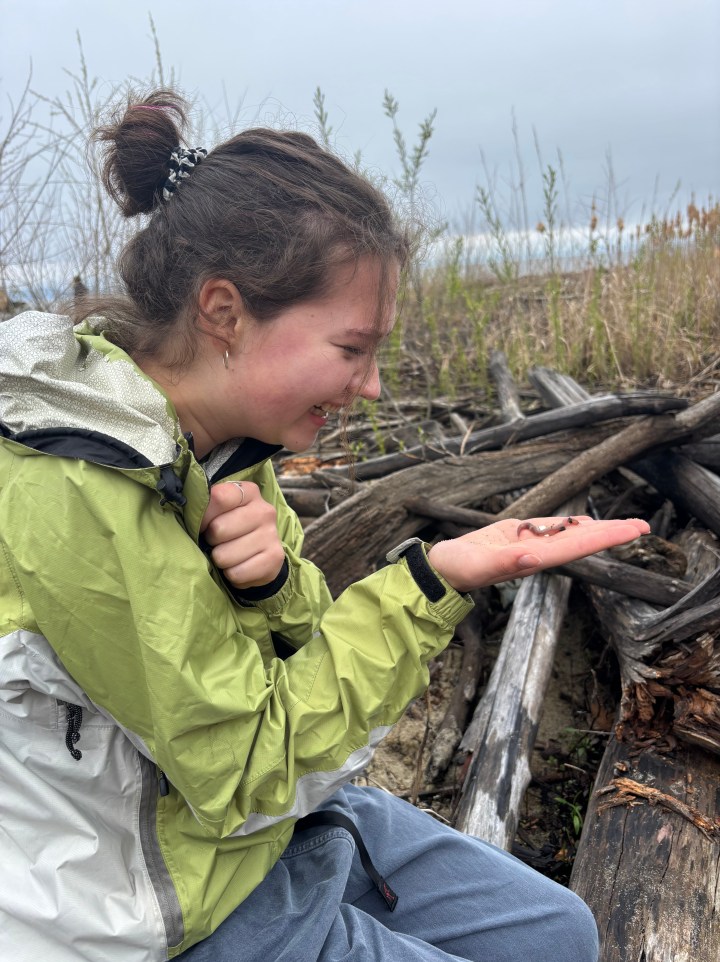
…and worms!
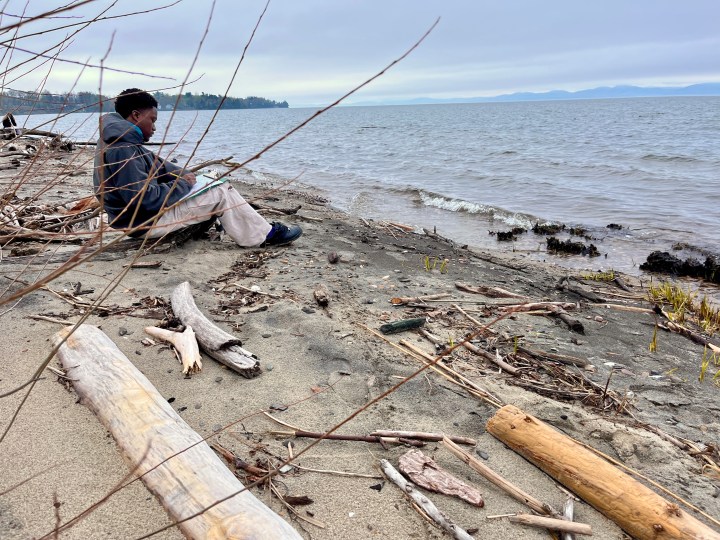
Our third visit to this place also allowed us time to journal…
…and to reflect.
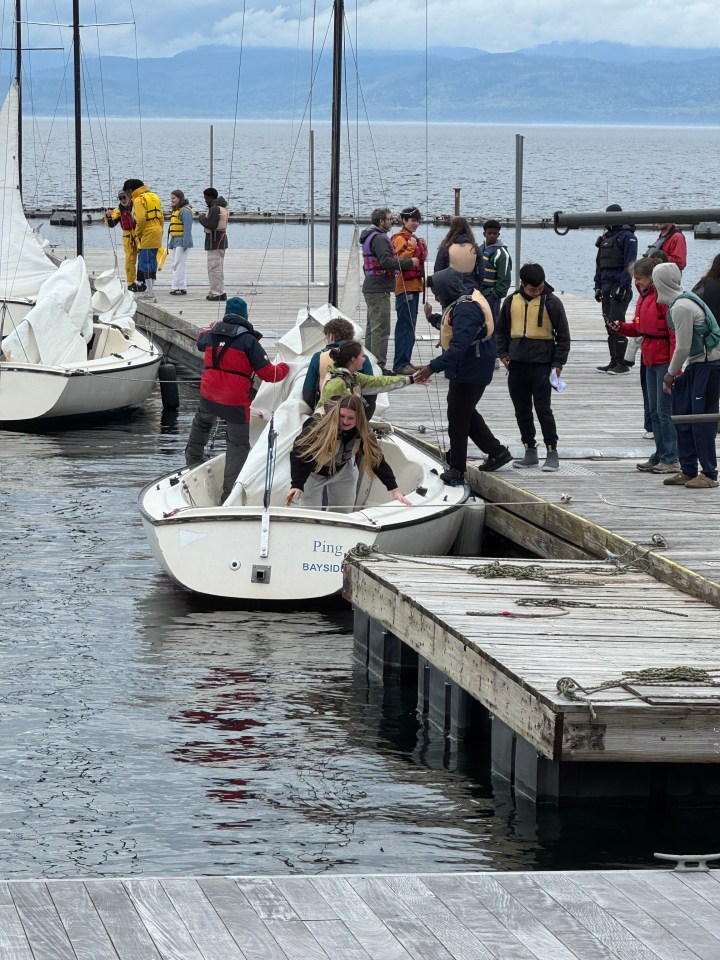
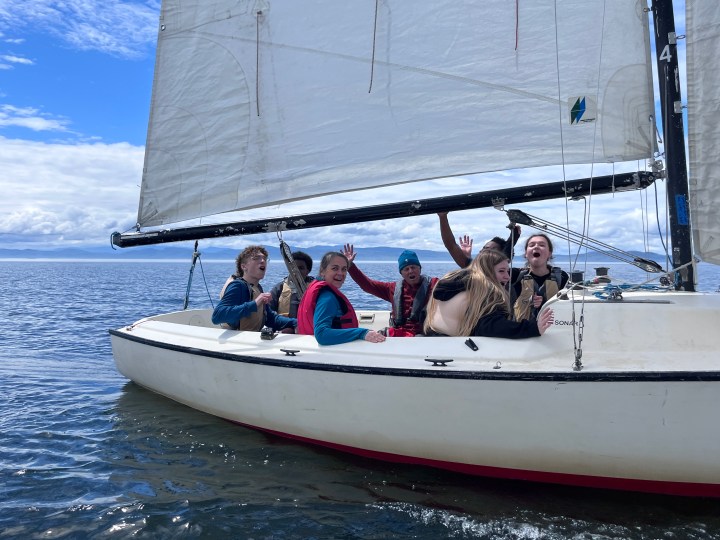
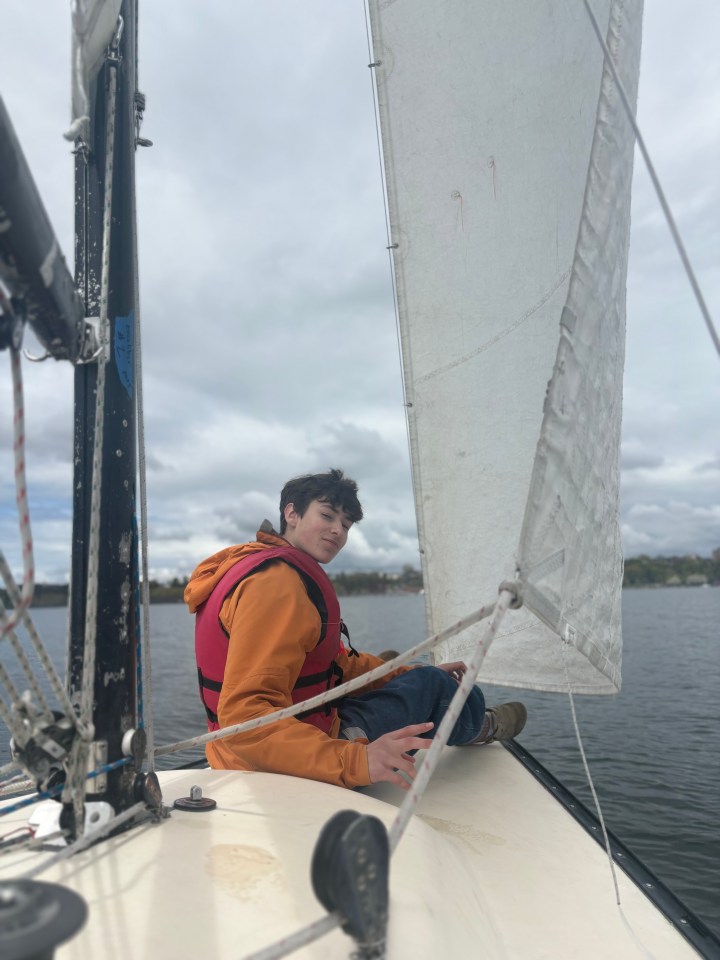
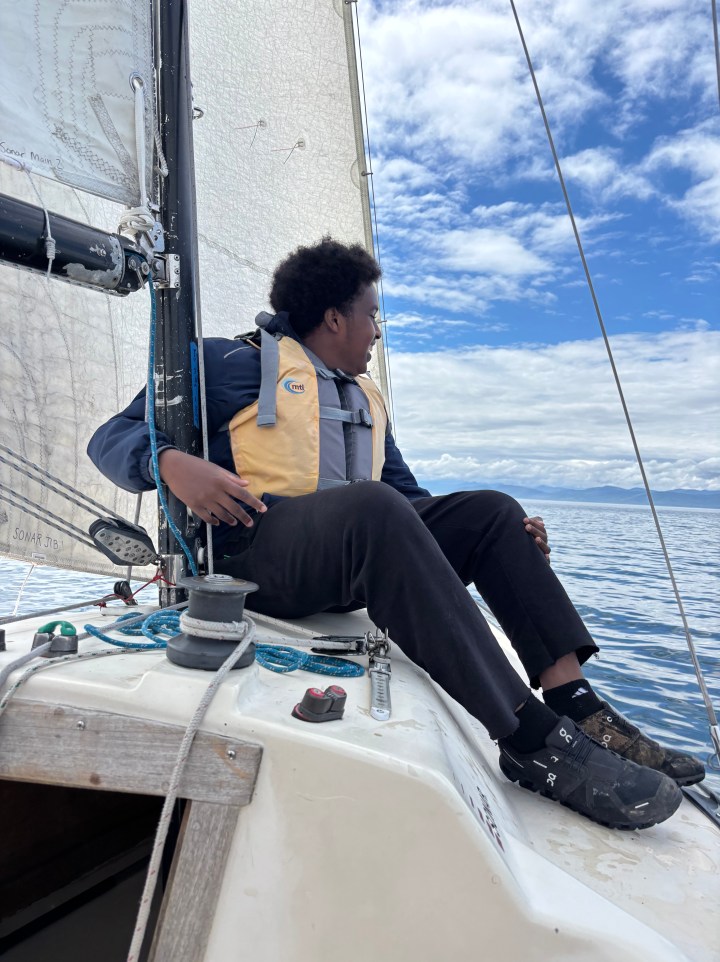
By mid-May, the boats at Lake Champlain Community Sailing Center were rigged and ready.
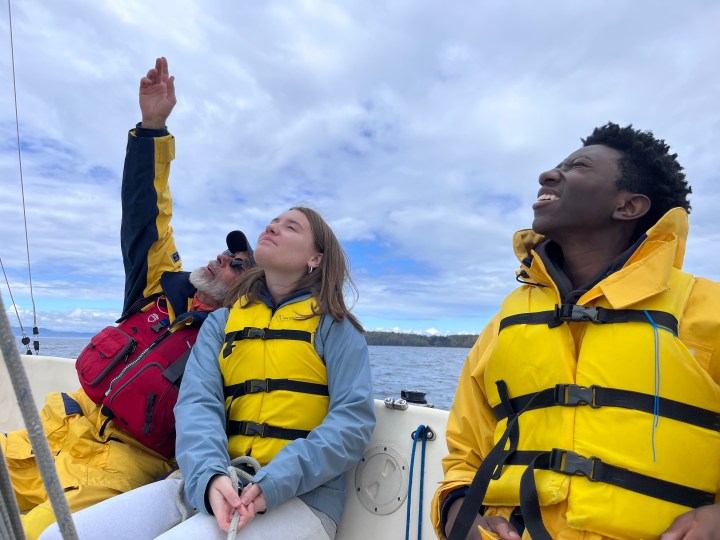
Students got a primer on points of sail…
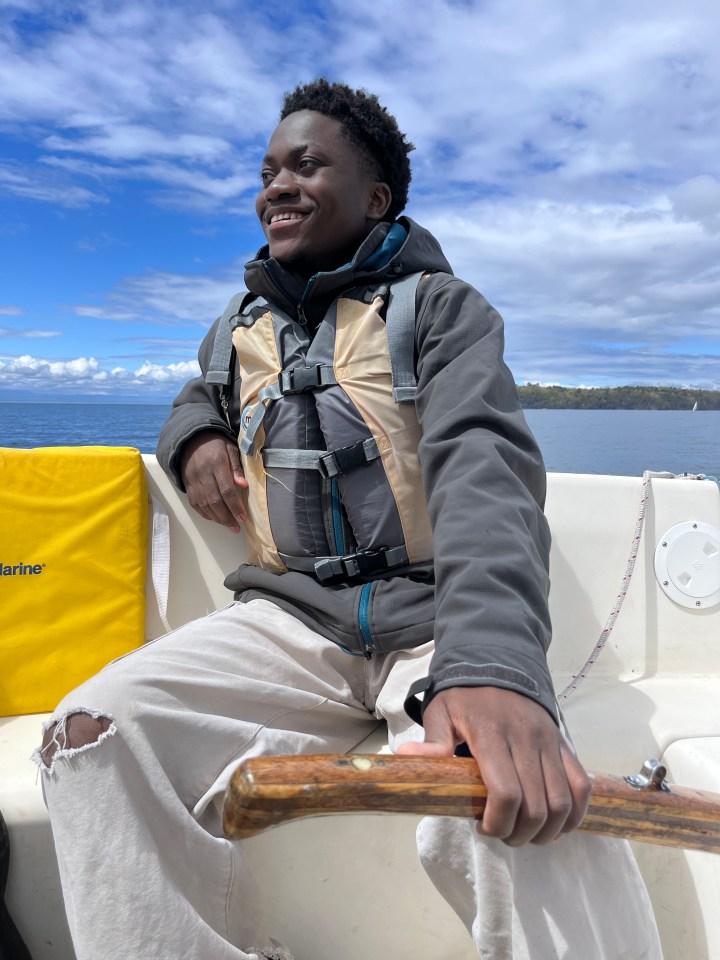
…and tried their hand at holding the tiller.
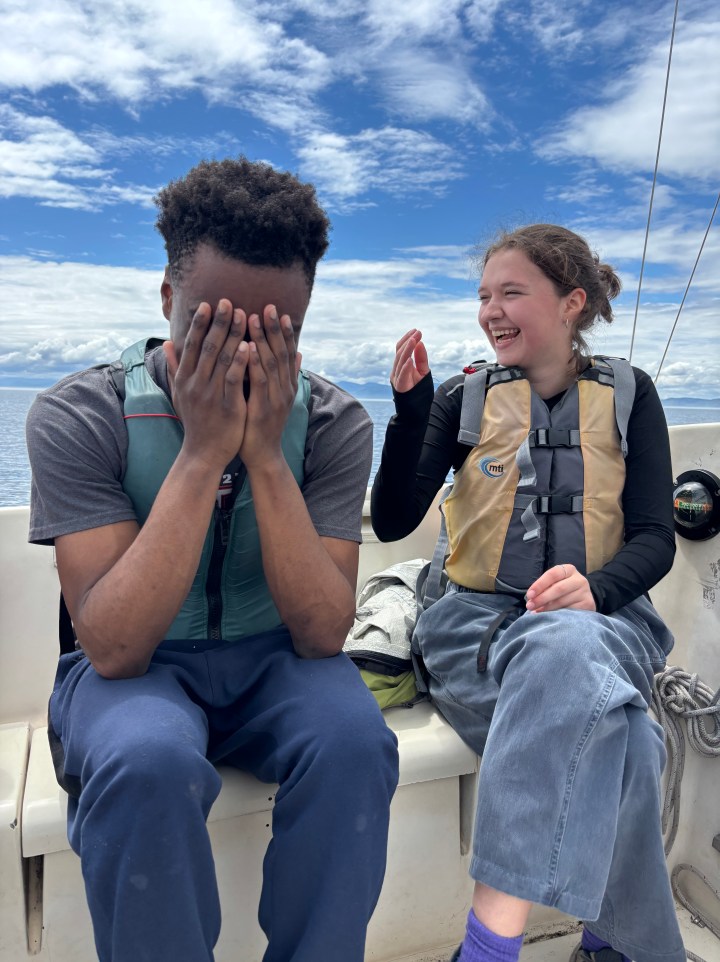
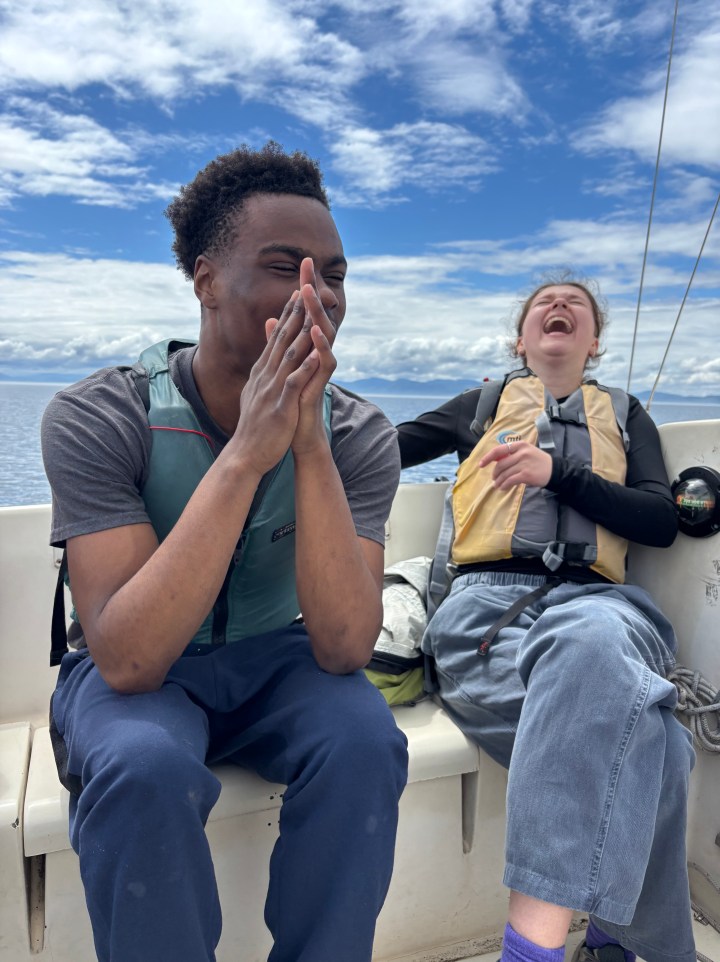
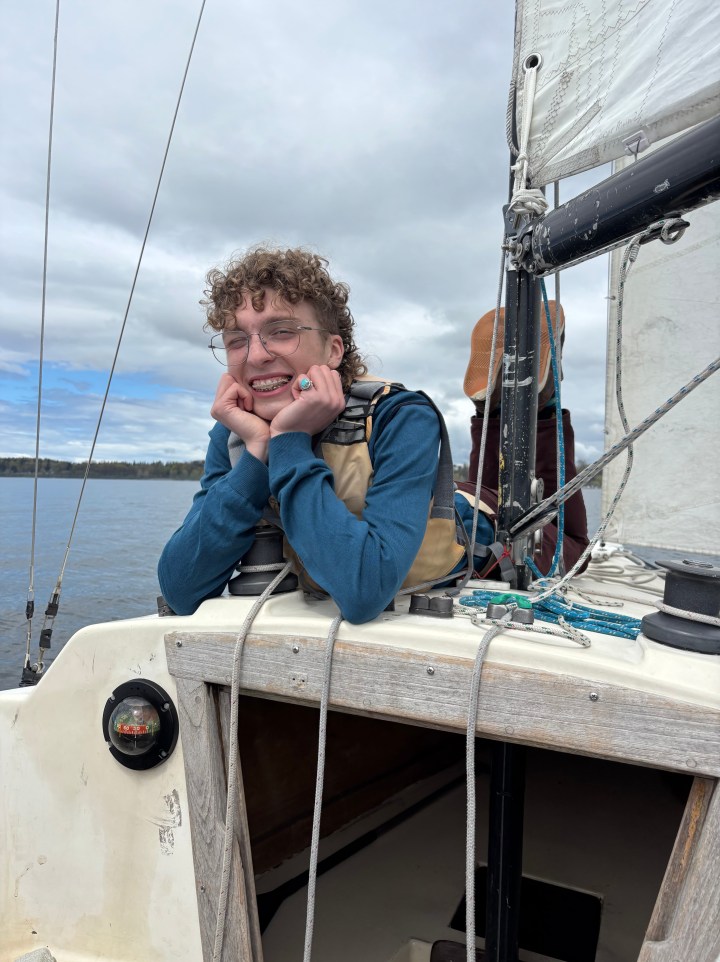
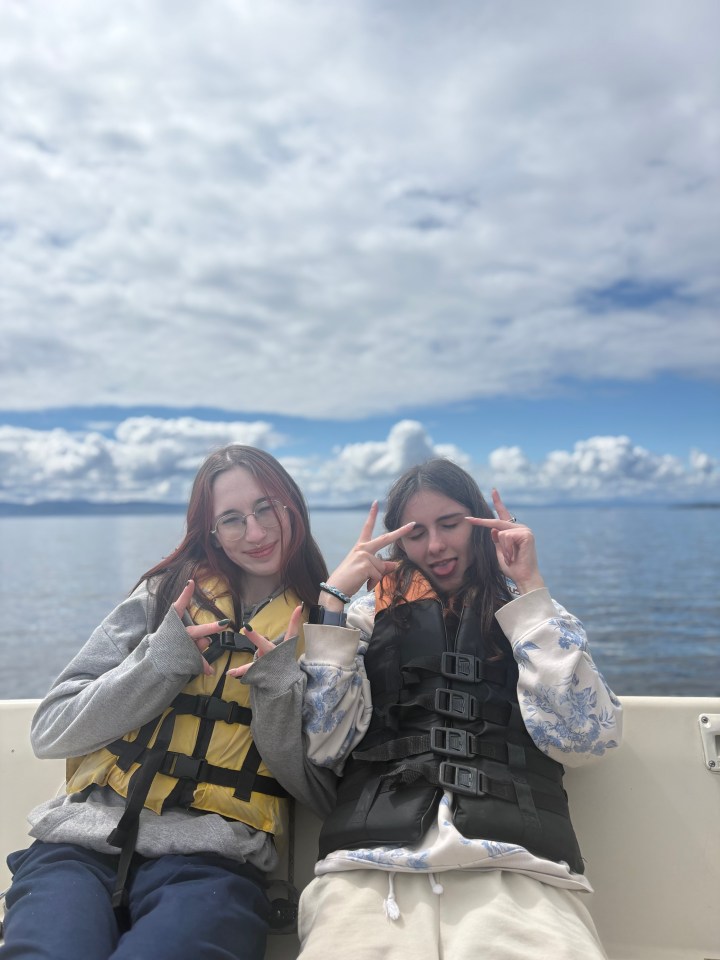
There is something about being on a boat that evokes pure joy.
Along with joy, there was gratitude…
…confidence…
…ease…
…and a new connection to both the lake and the land.