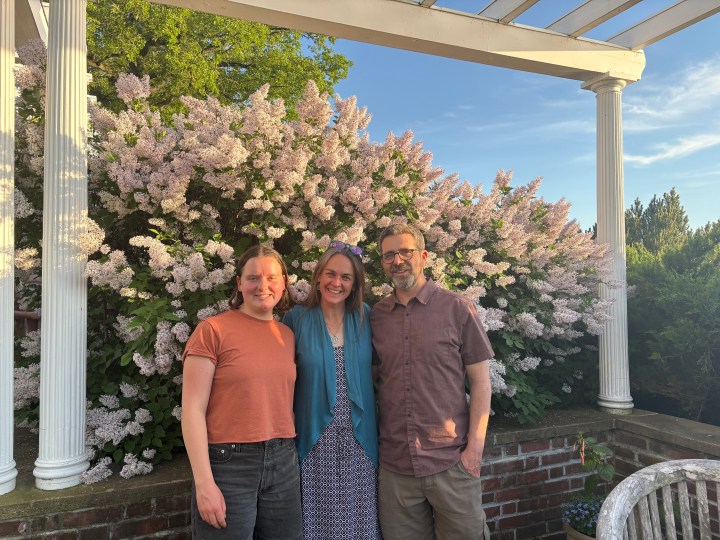
For the 2025-26 school year, Cate MacDonald served as BCL's Place-Based Education Teaching Fellow. Cate wrote the following reflection as the BCL16 semester came to a close.

To read more of Cate's reflection on her growth as an educator, visit the Shelburne Farms education blog.
I first arrived in Burlington five years ago as a freshman at the University of Vermont. I vividly remember my first day on campus–getting turned around multiple times, standing on the green trying to guess which direction led back to my dorm, feeling engulfed by unfamiliarity, that brief panic of believing you will never truly know your way around a space, never feel oriented within it, never feel like you belong there. At the time, Burlington felt like a maze of unfamiliar streets and people, and I longed for the day I would feel rooted and familiar–at home.
At the time, I thought learning a place simply meant learning how to navigate it. I had spent summers teaching orienteering lessons to students on backpacking trips where all we needed was a map, compass, and piece of string to determine where we were in relation to our next campsite. I expected my belonging in Burlington would arrive once I no longer needed GPS to get to class or could confidently walk downtown without second-guessing each turn. I’ve come to realize knowing a place is much deeper than that.
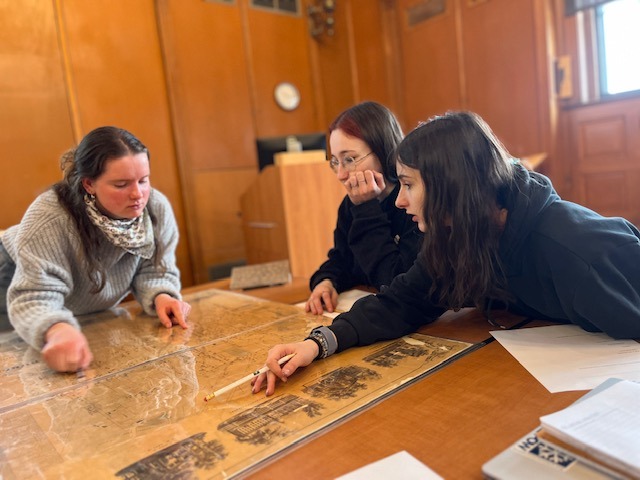
I learned to distinguish between “space” and “place” studying Geography in college. Space is simply where something is. Place emerges out of what that space means to each of us. It is the “what” or the “why” rather than simply “where”. I even honed in on specific places: studying accessible transportation to the Ethan Allen Homestead and the Intervale, food systems at Bread & Butter Farm, analyzing pedestrian safety at Main Street intersections. It wasn’t until coming to BCL that I learned the importance of not only zooming in on individual places, but also zooming out to think about the scale of the city. BCL helped me see the “what” and the “why” behind the systems and people that sustain a community and shape daily life, even when they are not immediately visible.
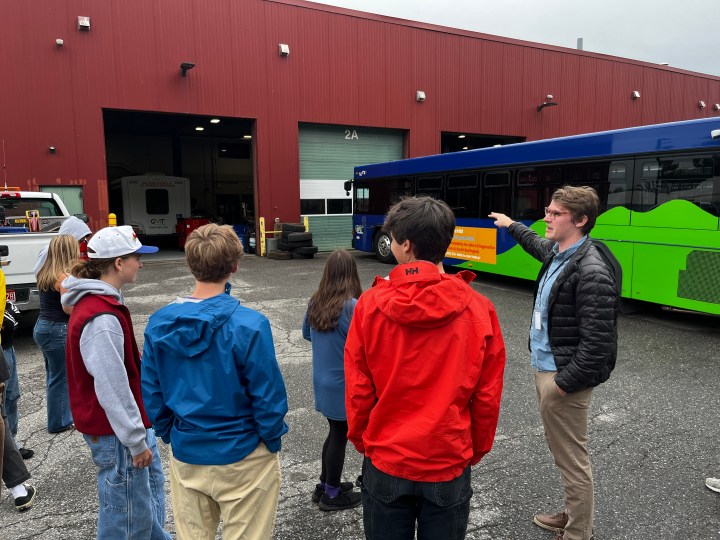
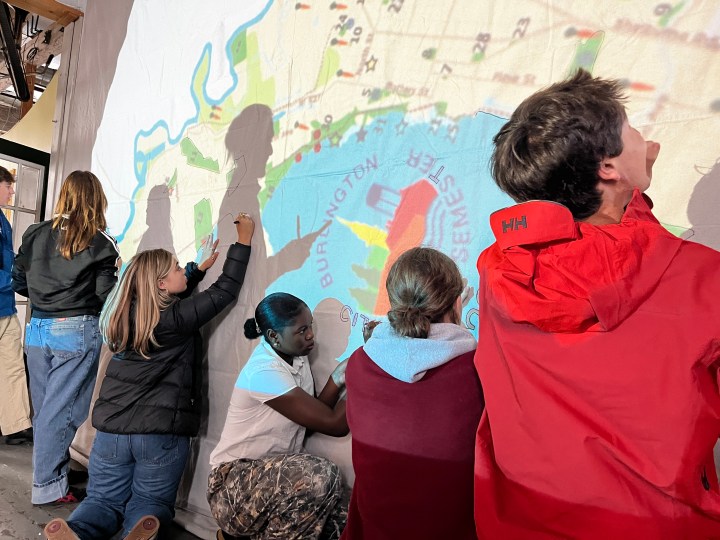
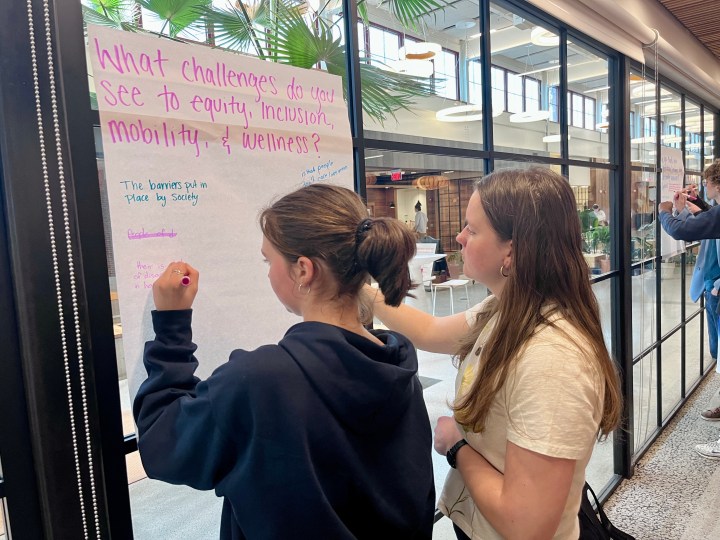
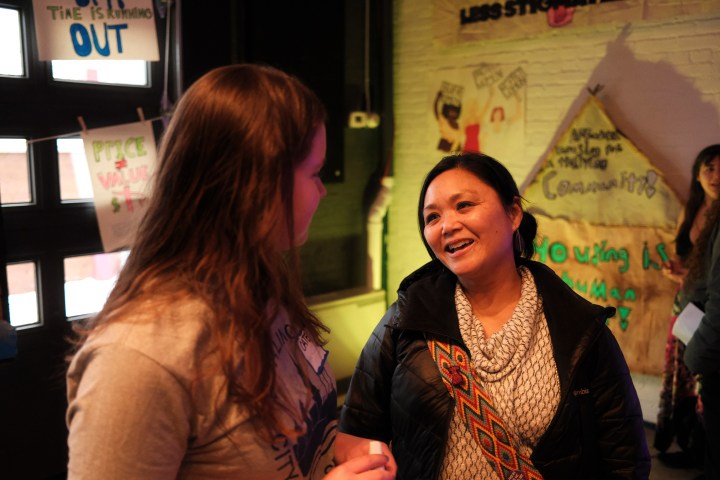
Something that surprised me most when coming to BCL was that students who have lived in the city their entire lives felt a similar disconnect. Some expressed not feeling like they had a voice in city decisions, not only because they weren’t old enough to vote, but more strikingly because they assumed their voice didn’t belong–because they didn’t feel belonging. It wasn’t until these students were challenged to engage with the city–to share their personal experiences, to ask questions about the city systems they interact with, and to listen to others’ perspectives–that students began to form a deeper connection to the place they call home.
In both my own experience orienting to Burlington, and the experience of the students, belonging emerged not from simply time spent living in the city, but putting in the work to form a relationship with it–to be a student of the place, and to get to know it on a deeper level.
There is not a “one-size-fits-all” recipe for this process. But from my time with BCL, I have learned that knowing a place begins with the following: curiosity, risk taking, active listening, vulnerability, and in turn, empathy. I am grateful to be taking away knowledge of how to create the conditions for all of these things.
Curiosity means not just being a passive member of a community, but an active participant in it. It is the willingness to follow inquiry, frustration, wonder, and interests rather than making assumptions about them. I watched students discover that they actually didn’t have to look far to find something they care about, for example, turning to their own lives to ask things like why bus service had changed in their neighborhood, how their sports teams foster belonging, or how worms affect our local ecosystem. Everyone has curiosity and passion, we just need to feel empowered enough to realize our voice matters enough to share it.
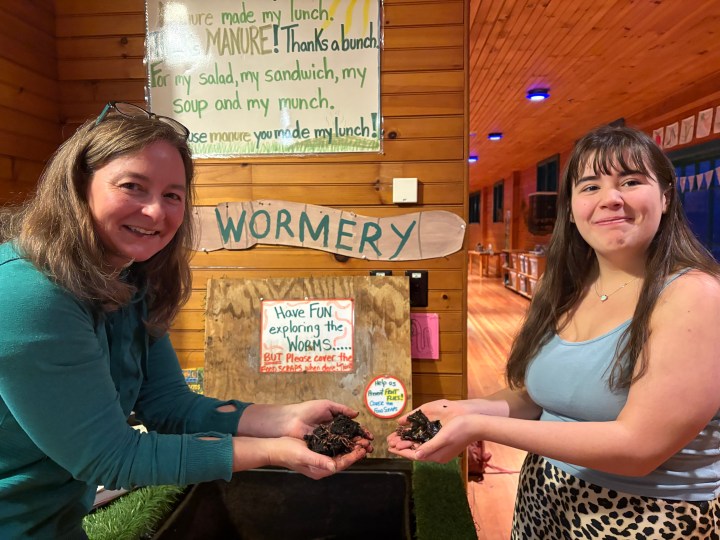
Risk taking requires diving in, getting messy and uncomfortable, talking to people you normally wouldn’t talk to, going places you wouldn’t normally go, asking questions you would normally ask. In BCL, we often say “rigor is a function of risk”, and that looks different for everyone. Risk could be anything from jumping out of your comfort zone to share out in class to asking city officials hard questions about their jobs, or interviewing someone you’ve never met. It has become clear to me that the more a student feels trust and connection with their teachers and peers, the more willing they are to take those risks.
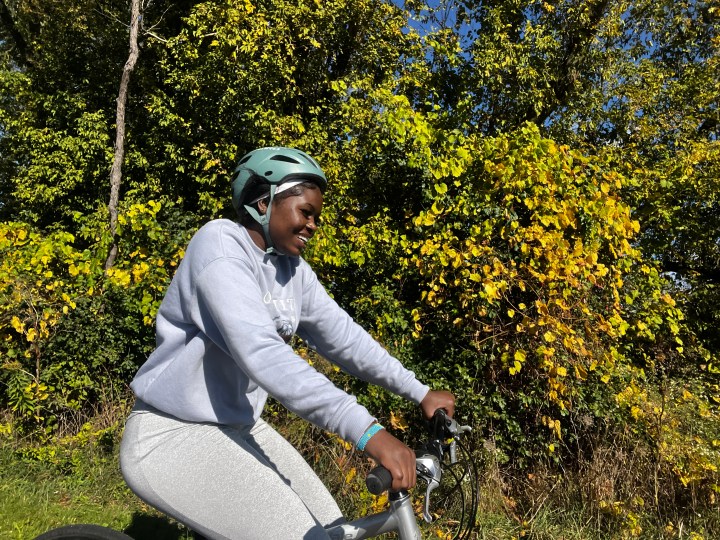
Active listening means paying attention not only to others’ words, but to their experiences. As community partner Mikey Van Gulden reminded BCL16 students, “Take the cotton out of your ears and put it in your mouth.” Students learn to listen not to respond or agree with a perspective, but to understand where it stems from. And sometimes creating space for another person’s voice is as much of a risk as speaking yourself.
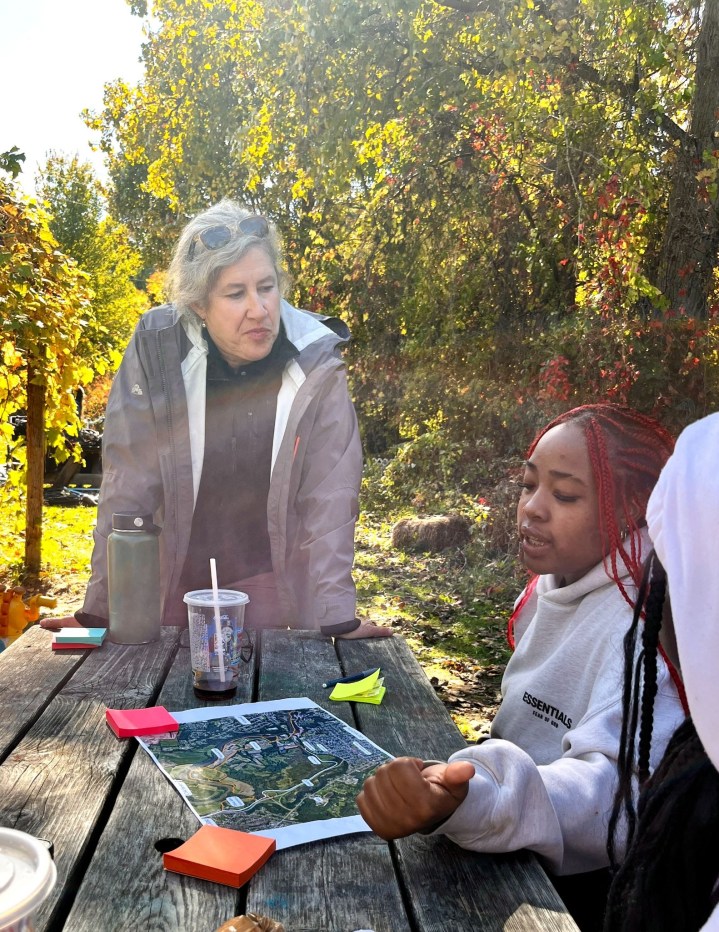
Vulnerability means having the courage to share oneself, to offer personal experience and insight, to understand that everyone’s experience (including your own!) in a place is valid and worth hearing. In BCL, we also talk about the importance of vulnerability in community building, offering it opens the door for others to be vulnerable too.
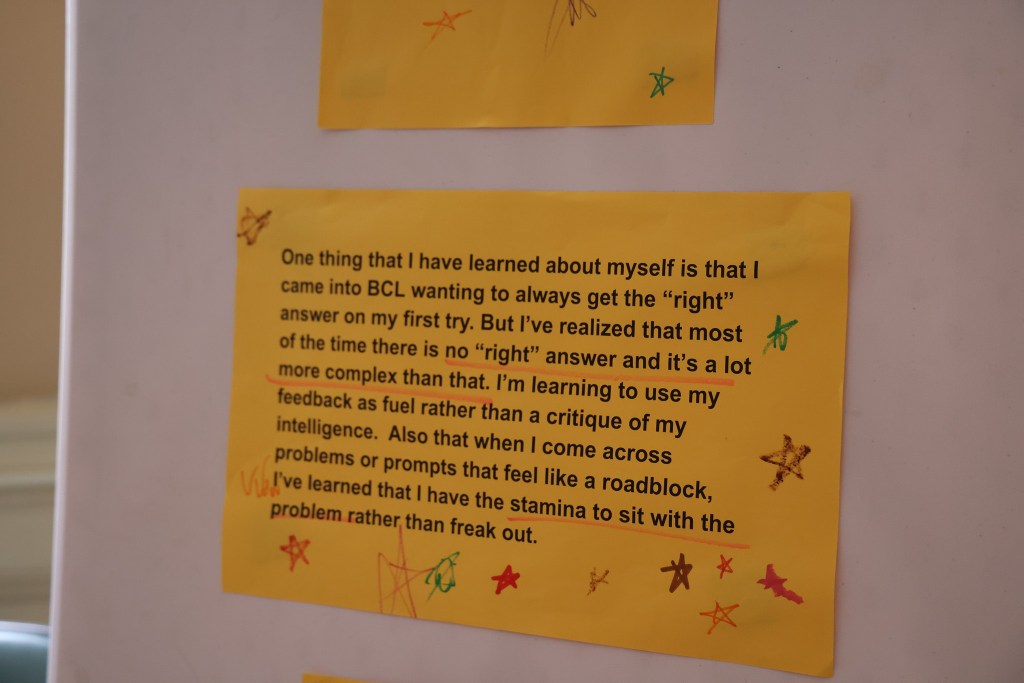
The conditions above create the foundation for understanding, which is at the heart of empathy. While studying transportation access to the Ethan Allen Homestead, students initially questioned why improving access should be a city priority. Their perspective shifted after hearing from a community gardener who relied on the space to provide fresh produce for her family. I’ve learned that we cannot empathize with people or places we do not care about, and we cannot care about people or places we don’t try to form a relationship with.
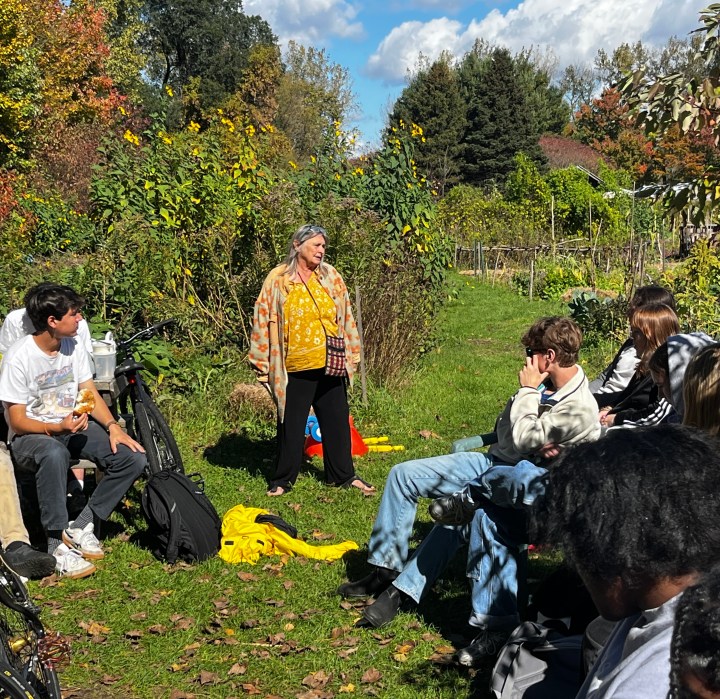
For me, all of these practices culminated in the ways I evolved as a teacher over the course of the year. I practiced being curious about myself, asking difficult questions that required honesty and reflection. Active listening came when learning new approaches to teaching, and trusting the process of executing them myself. Vulnerability meant acknowledging the uncertainty I had in the classroom, and naming it to students rather than hiding behind false confidence. At times, all of these things felt like risk-taking. It became apparent that the practices I worked to cultivate in students to form belonging in their community were the very practices that helped me grow as an educator and find belonging in the classroom.
On my last day as the BCL Teaching Fellow, a student compared me to a spider. It could be said of all BCL teachers who weave together experiences, partnerships, students, and themselves deeper into place. We guide students to simultaneously zoom in and out, to recognize that no strand, no person or system in the city, exists in isolation, that every thread is connected to each other, and in fact, relies on each other, holds each other up. This weaving is something I wasn’t able to do at the start of my time with BCL, and certainly not something I could do five years ago when I arrived in Burlington for the first time. Five years later, I still don’t feel finished orienting to Burlington. In many ways, my relationship with it, my sense of belonging, feels exponential–continuously growing as I uncover new layers of meaning.
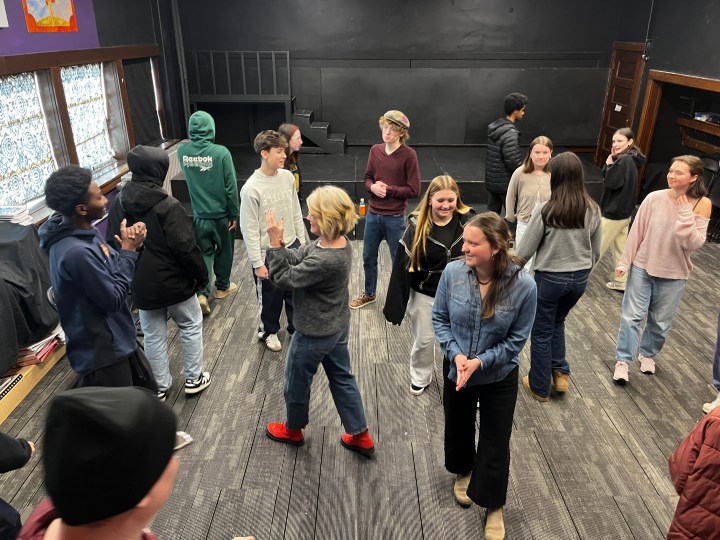
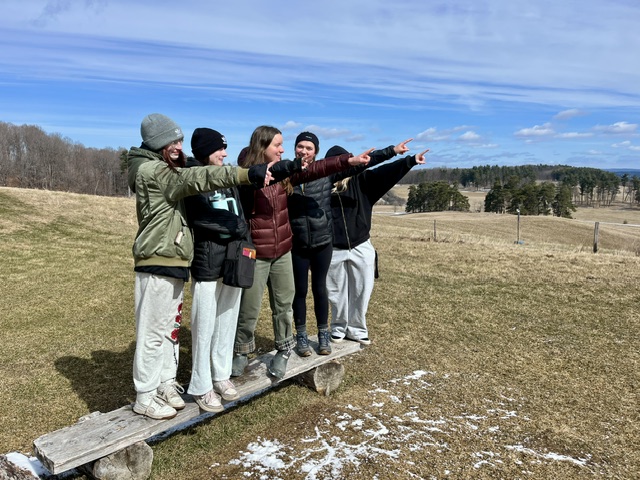
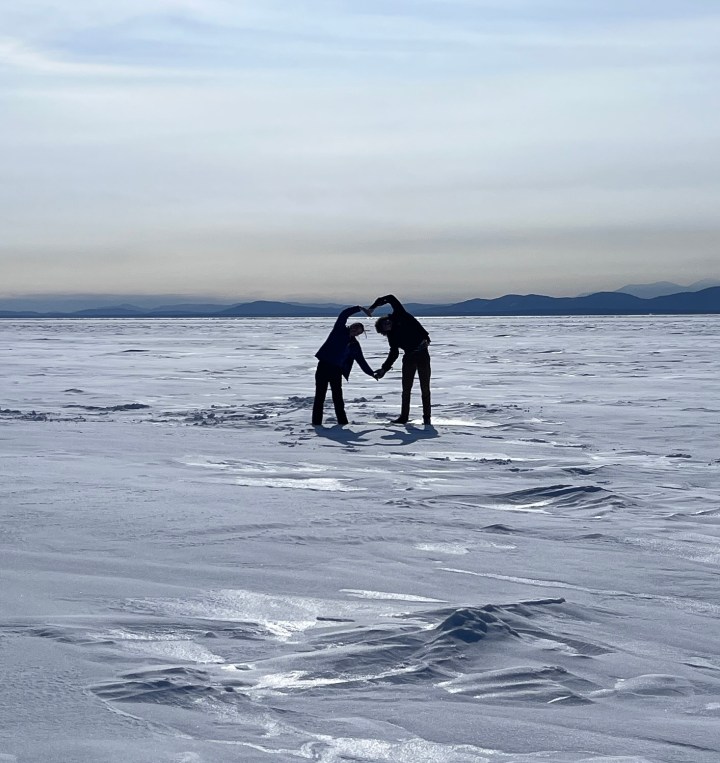
As I move into my future as an educator, I hope to carry with me the tools I’ve gathered to help students become not just learners of information, but learners of place–curious enough to pay attention, courageous enough to ask questions, and engaged enough to recognize that they, too, have a role in shaping the communities they call home. In doing this, maybe together we’ll keep navigating towards what it means to know a place.
I have endless gratitude for Dov, Christie, Aimee & the Shelburne Farms team, all of the students I’ve worked with this year, and of course, Burlington–the city and the lake–for trusting, supporting, and guiding me as I found my bearings as a teacher. Your mentorship and role modeling have helped me gain a deeper understanding of myself, my values as an educator, and the kind of learning communities I hope to help create. Thank you for inspiring me to continue this work.