Now that the semester is fully under way, Burlington City & Lake students are leaning in…and finding that things are more layered than they first thought. Relationships are more complex, and so are the systems that we take for granted. It takes an open mind to see these layers, and that mindset requires patience and practice.
The questions that emerge are just as layered as they systems they emerge from. How do we make complex decisions? What does interdependence look like, and what does it require? What would make our systems fair and equitable? We may never fully answer these questions, but that isn’t the goal. Every day of BCL, students are accruing insight, and embracing complexity.
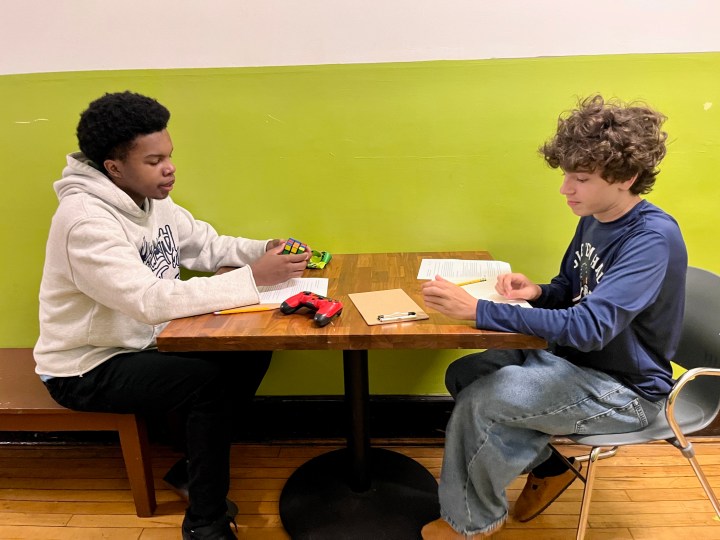
We kicked off the Telling Someone Else’s Story activity by bringing in three items that mean something to us. We got paired up with another student and then picked one of their items to learn more about, like the history of the item, what it means to them and any other details. When telling someone else your story, you can feel a bit embarrassed and vulnerable because you don’t know how that person will react or how it might affect how they think of you. I can relate to this because Leander chose my student ID card from my time in Seattle. This made me feel a bit vulnerable because it was expressing a feeling I didn’t really want to revisit. But [the project] was interesting to me because I got to see other people’s items which could reflect what they like, on top of actually hearing the reasons why those items mean something to them.
- Max
Have you ever been in class and a heavy topic comes up? Then everyone goes quiet, and you don’t want to talk either, afraid you’ll say the wrong thing. Yeah, that’s called vulnerability, and most people feel it. In BCL, we sometimes talk about those difficult topics, so vulnerability is a big part of it… People feel the most vulnerable because of fear. This absolutely unravels the connection because no one wants to mess up, and as Brené Brown said “no one wants to talk about it, and the less you talk about it, the more you have it.” People focus on the negatives, and I don’t give space for the positive, which is why vulnerability can sometimes feel like you’re trying to hug a cactus and not get poked. But feeling the poke is kind of a part of the experience.
While talking and being vulnerable can definitely make you feel that way, so can listening… It’s a vulnerable choice because to connect with you, I have to put something in myself that I know that feeling. And I know that can seem difficult. Putting yourself out there and also looking in towards yourself. It’s not easy, but doing it, being vulnerable, having empathy, having a connectio, it’s huge for you as a person and for your mental health because if you try to numb it, if you try to numb all the bad things, vulnerability, shame, and fear—you just can’t. As Brown says, “You cannot selectively numb.” To be vulnerable is hard, but it opens a world of connection.
- Anu
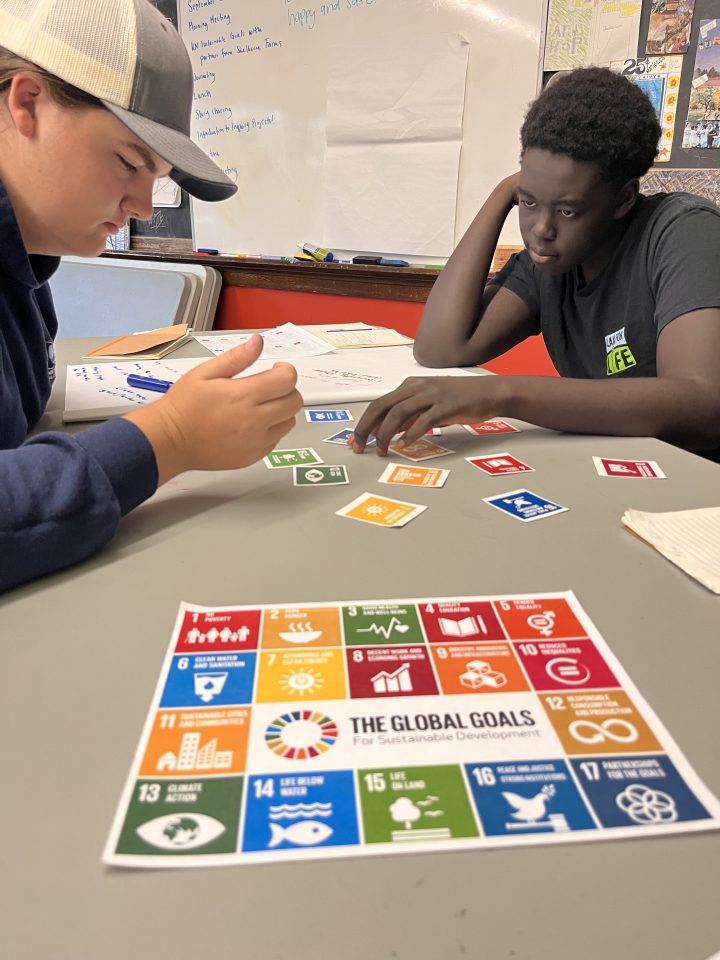
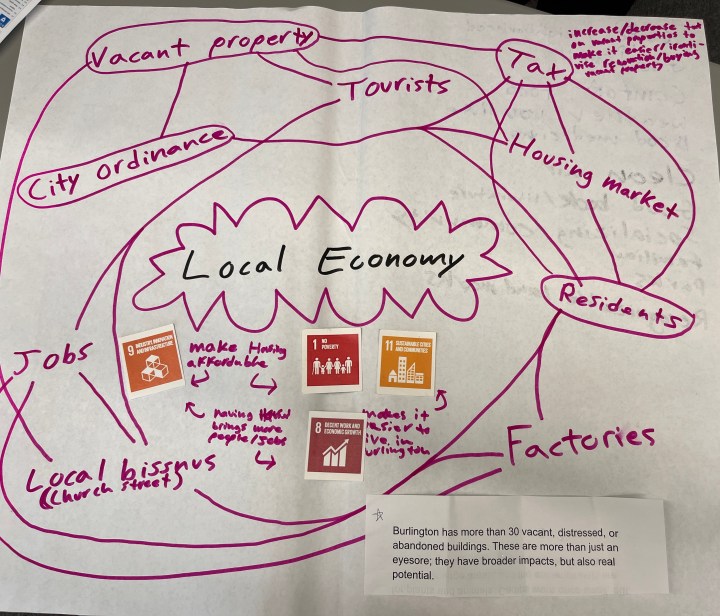
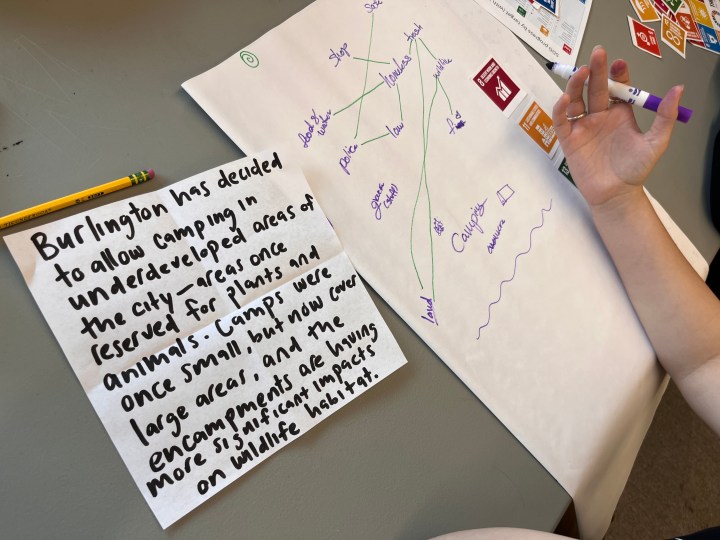
Today I realized how interconnected different systems and development goals are. All the different global goals rely on each other, because you need all of them, and some of them need others to be completed. Healthy fish might be needed to stop world hunger, for instance, but they also affect healthy life in the water.
- Enoch
A takeaway I had from the Sustainable Development Goals activities today was that there are many connections in our community, many different leverage points and changes that need to happen so we can thrive. My question is, how do we make sure these changes happen at a large scale?
- Leander
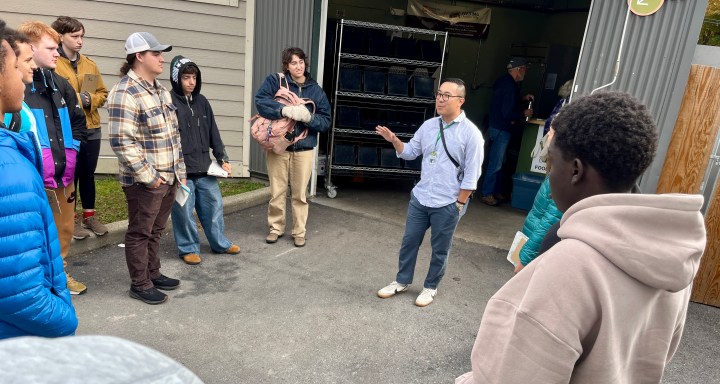
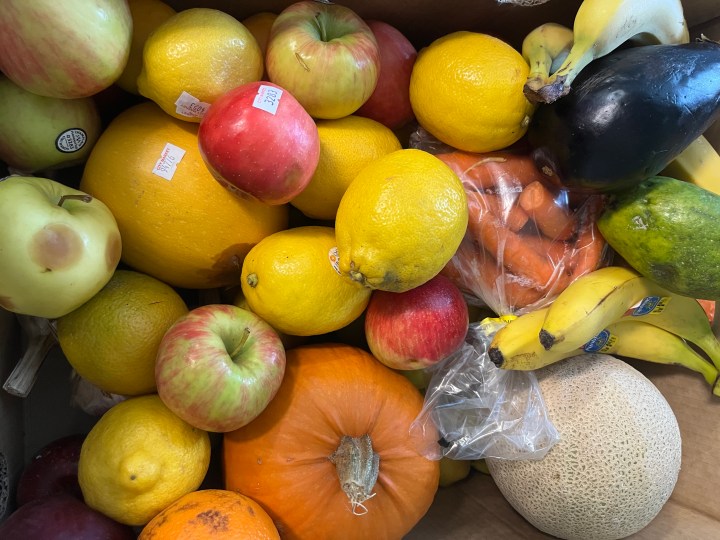
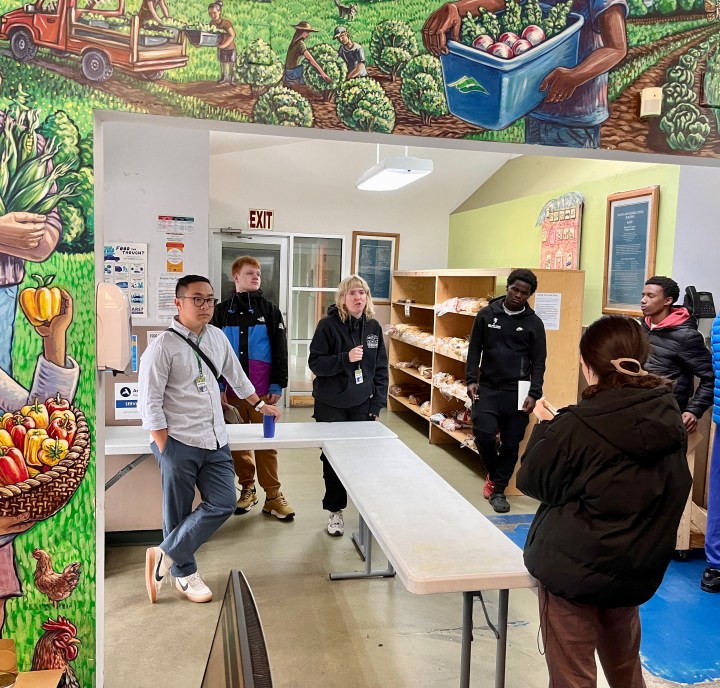
An “Aha Moment” I had from visiting the Food Shelf was getting to know the perspective of people who are part of that place. It was interesting learning how the food shelf even works, and how they help the people who come in feel at home. I loved seeing them make food for the people, like home cooked meals and seeing people happy.
- Arizona
Some people are embarrassed to get food from other people, which I thought was very interesting. Before we talked about it, I did not consider that getting food would be embarrassing to people or hurt their dignity.
- Gavin
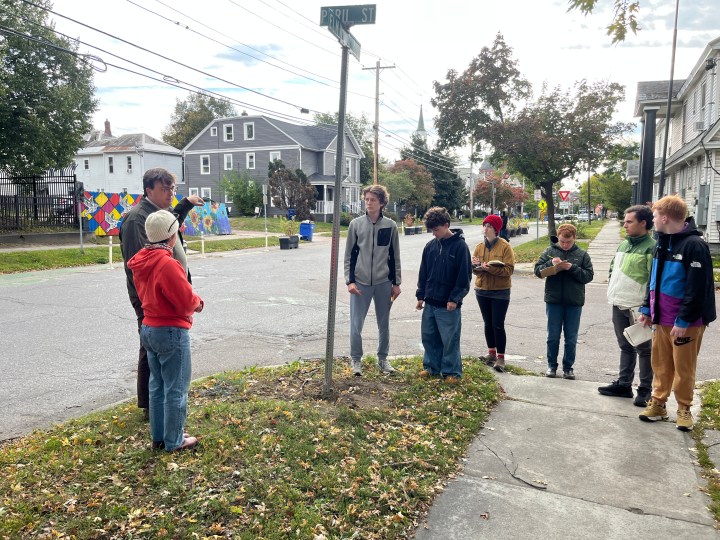
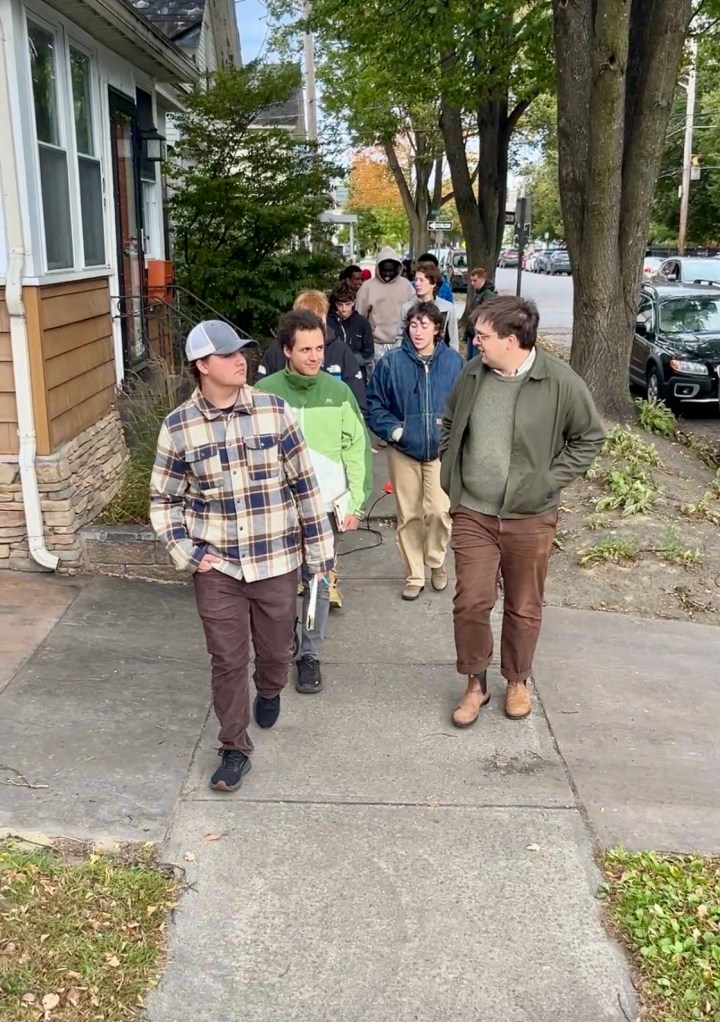
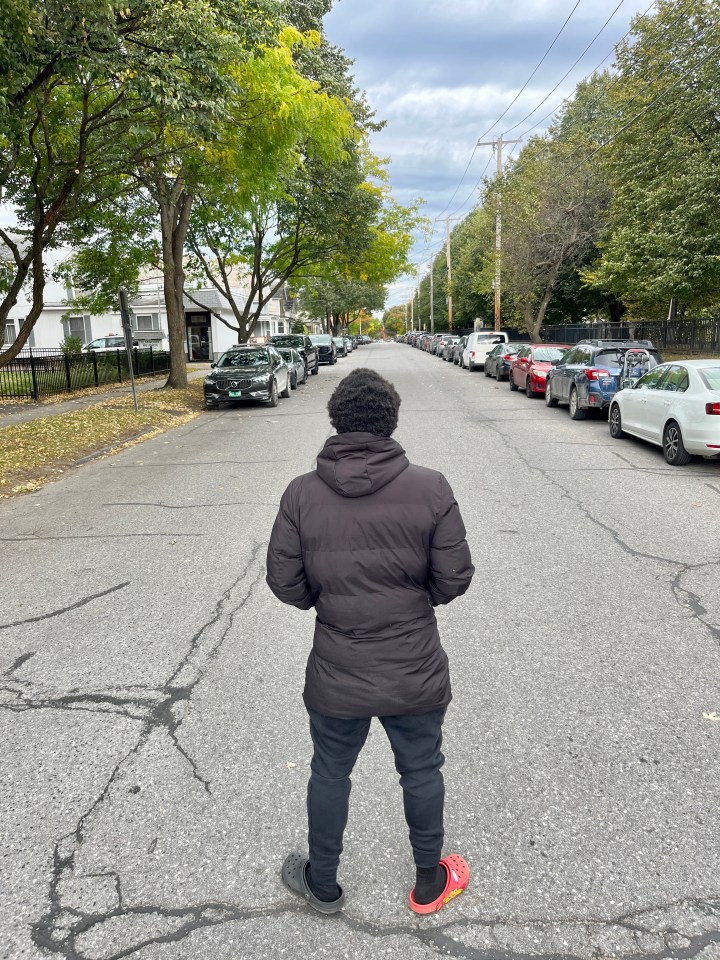
I never noticed how much space parking takes up. It was interesting to think about the pros and cons, comparing cars and the historical trolleys, and which ones would be better, or safer, or how much space they each require.
- Anu
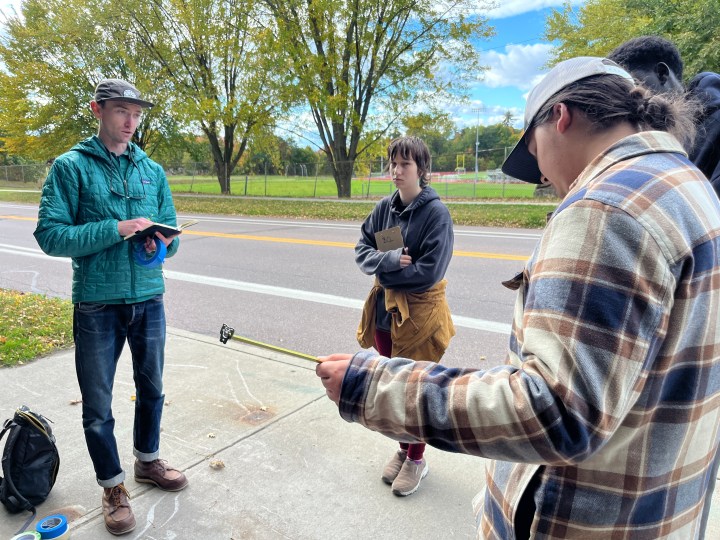
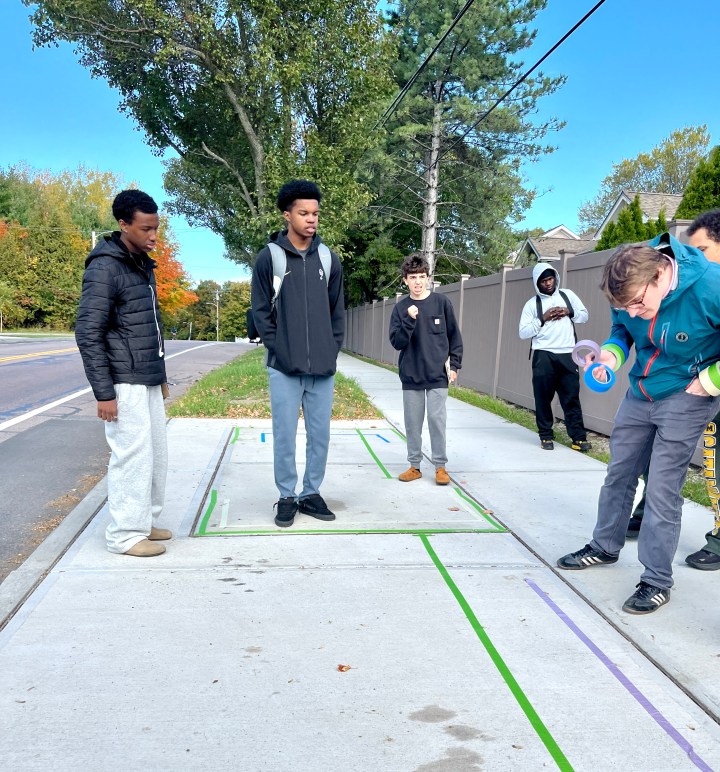
I thought it was pretty cool to meet people who handle the bus and the different parts of the bus stops. I hope that Connor, Chris, and Will take our suggestions seriously and implement them into the bus stops around the city. I think they should prioritize adding shelters or concrete platforms to the stops.
- Enoch
I think that at major bus stops they should prioritize having as much coverage from the outdoor elements as possible – like rain, wind, snow, and or the very hot sun. For bus stops that are near open spaces (that aren’t shaded by city buildings), they could have small solar panels and or micro wind turbines to generate extra power for night lights, or the extra power could also just be put into the power grid.
- Henry
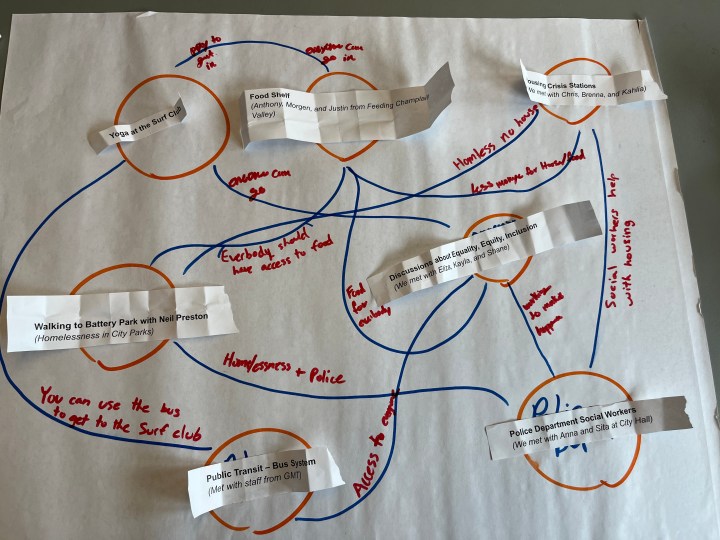
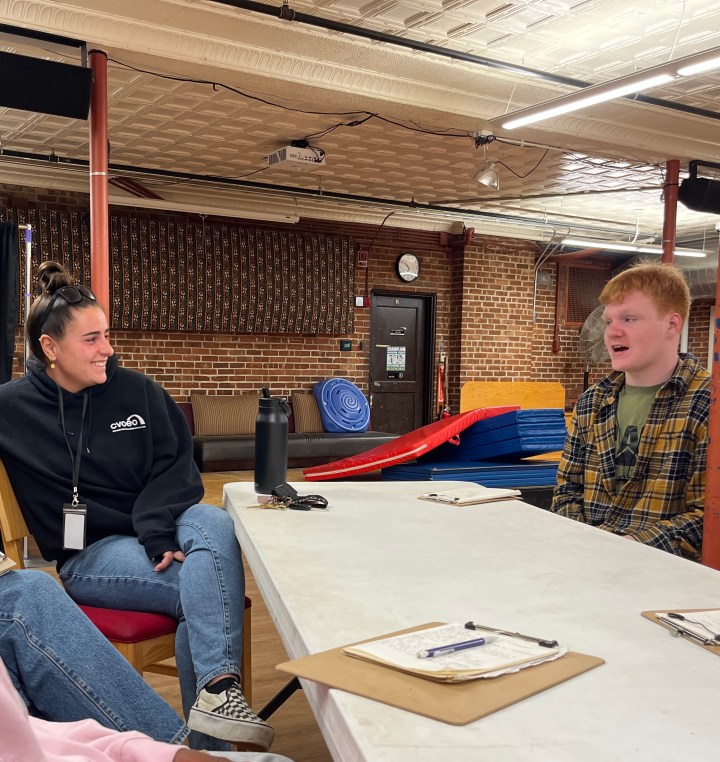
I was surprised about how many people that are unhoused are not sober. These issues are clearly connected. I was also surprised that we don’t have enough programs that help unhoused people get sober. I learned that even if some of the unhoused people get housing, sometimes they just crash and burn and then end up getting evicted.
- Mach
It’s interesting that the median Burlington home costs around $530,000, and from 2021-2023 home prices have increased by 12%. In the coming years I will most likely be independent in college and these sessions give me more time to think and prepare about how expensive it’s going to be. I need to be strategic right now, so I’m prepared for my future.
I also wonder how Burlington can be thriving in lots of places and for lots of people, but at the same time can be unsafe and and just simply not be thriving for others? I do think that this year, the city of Burlington is thriving a little more than it was because there are lower crime rates, and also a lot of local businesses seem to be doing better, and are attracting more customers. One thing that brought thousands of more people this year, and really helped Burlington was the Jazz Festival in early June.
- Guthrie
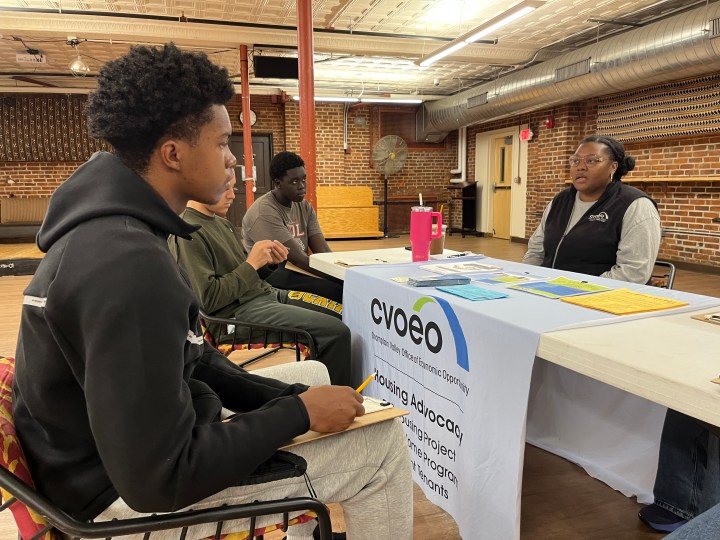
With partners from the Champlain Housing Trust and CVOEO, we talked about the very evident housing problem in Vermont and made connections to the homelessness problem as well…Chris from the Champlain Housing Trust talked about why housing is so unaffordable. He mentioned how difficult it is to build housing because of how many regulations there are. He also said that the cost of construction is too high. I thought to myself: What makes the cost so high? Materials? Labor? And why are there so many regulations when it comes to building housing? Who came up with them?
CVOEO sets people up and get them into houses easier. One interesting thing Brenna Bedard mentioned is that we have rehab centers in VT, but they are located too far away for people to access them. People also are put on a waiting list for up to a year which makes it very difficult. I knew homeless people had these resources but why are they so difficult to access? Why haven’t we thought of making things easier for them? For example, having a closer, more accessible rehab center?
- Ibrahim

