If a time traveler from the early 20th century were to walk through a portal into a conventional modern classroom, there might be a few differences — more groupwork, perhaps, and more screens — but much of the setting and structure would look familiar. Students would still be working in closed rooms, in discrete disciplines, following teachers’ instructions and tasks. And while there are certainly educators today who take classes on field trips, host guest speakers, and integrate locally relevant topics, many students go years without connecting to the place they call home.
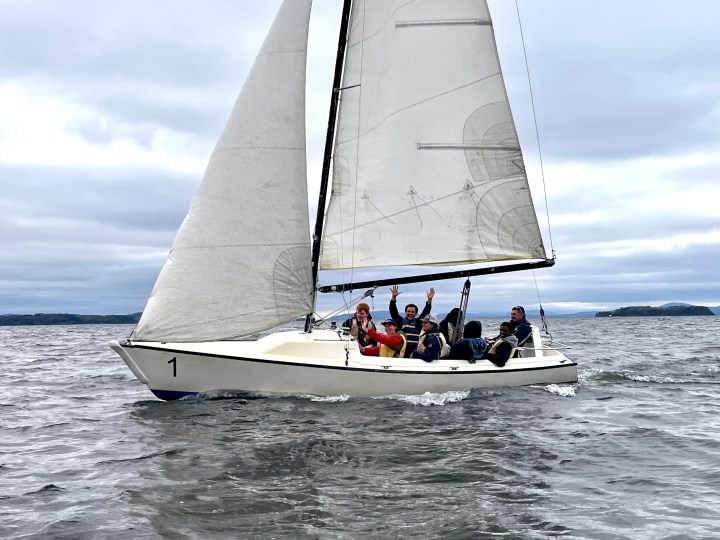
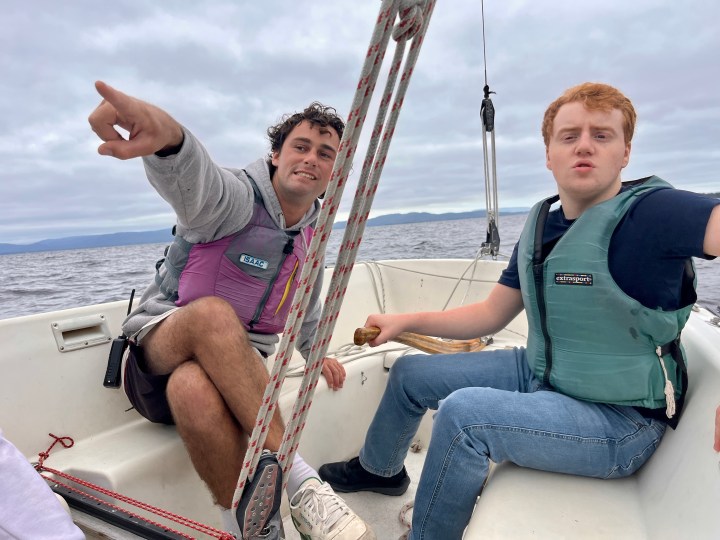
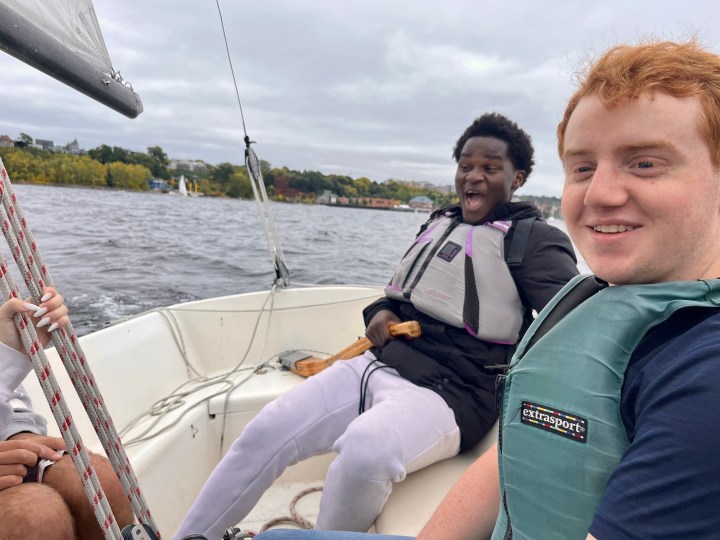
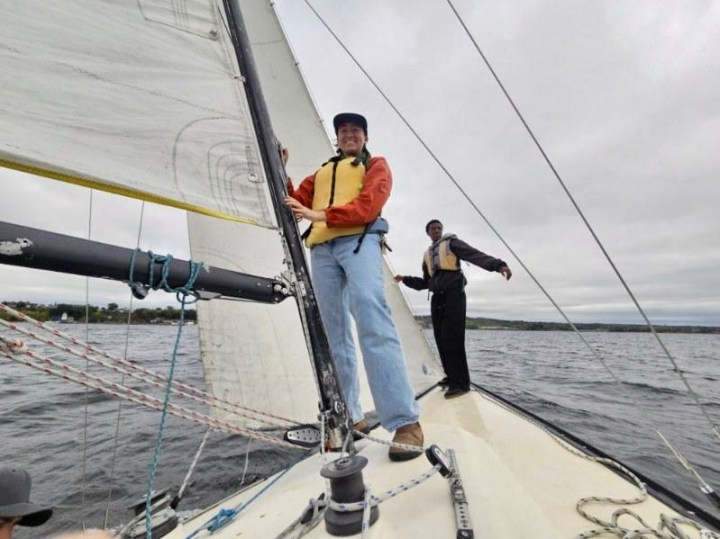
The Burlington City & Lake Semester flips the script. In BCL, the real world is the content, shared experience is the common text, community partners are fellow teachers, and compex local issues take center stage. Students explore interdisciplinary questions through the eyes of dozens of professionals, across a wide variety of fields and perspectives.
Through it all, learners’ experiences help them connect deeply to the place they call home.
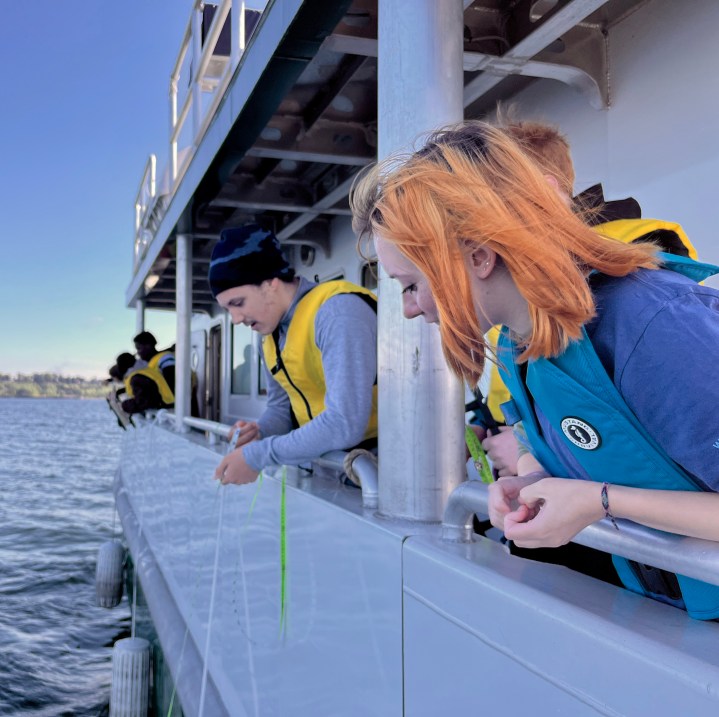
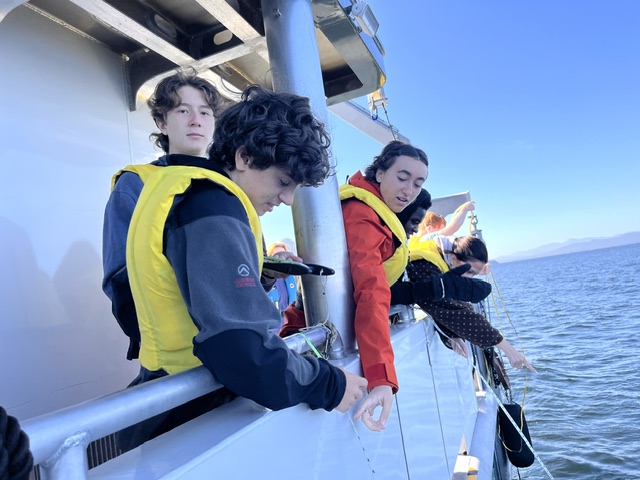
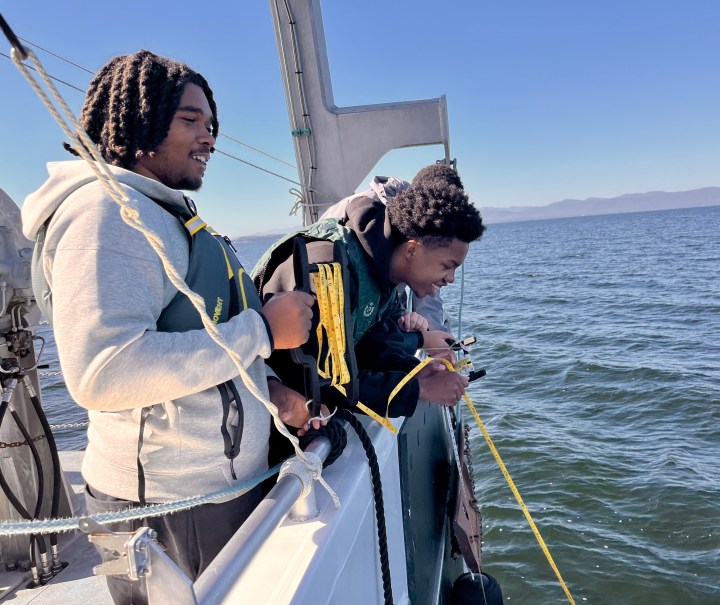
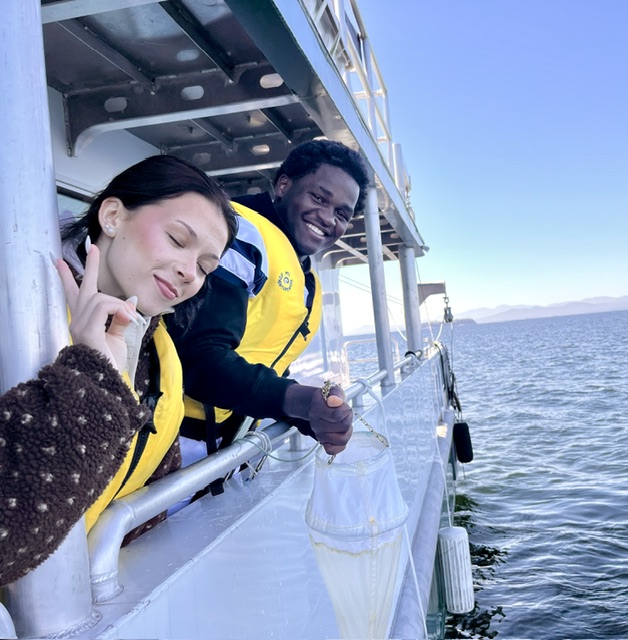
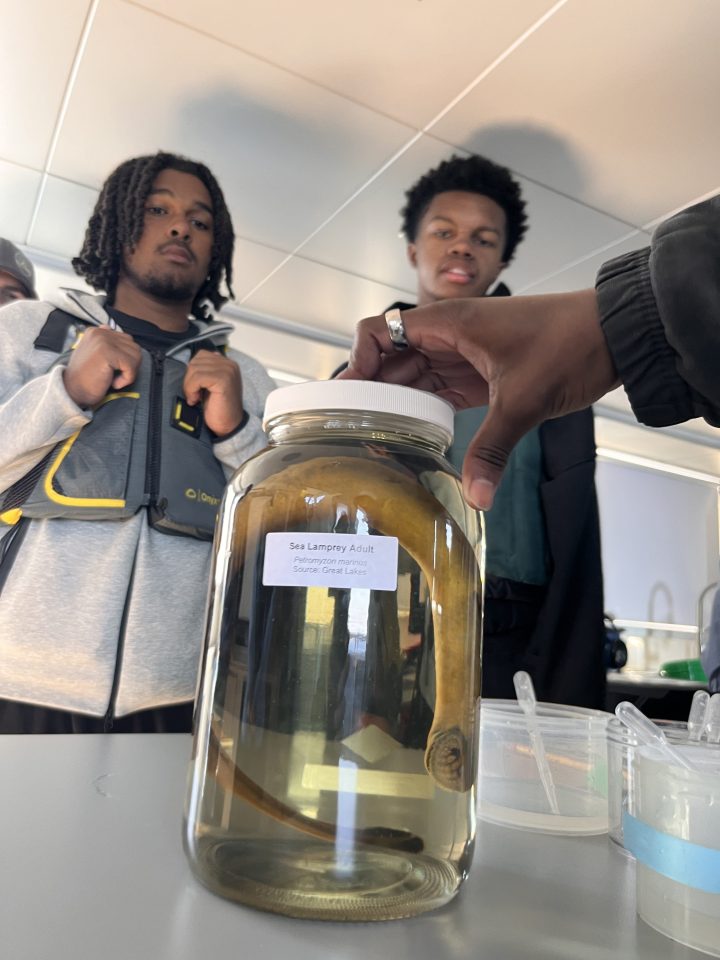
The health of the lake is connected to my own life because I have a lot of siblings. When most of my siblings are home at the same time, the house gets louder and messier. There is less space, more noise, and more things happening at once. This reminds me of how an increase in the population of organisms can affect the environment around them. Of course, plankton are different from people living in a house because they are a natural and important part of the lake’s ecosystem. Having a lot of plankton isn’t always a bad thing. The problem happens when certain types grow too quickly and cause problems in the environment. This comparison helped me understand how changes in population can affect the place where things live. One idea I had was to create a device that could help prevent harmful algae blooms or warn scientists before they become a big problem… constantly monitoring the water and detecting when things start increasing too quickly. The device could send an alert to scientists and help them respond earlier and figure out what needs to be done to protect the lake. I think this would be a useful idea because it could help keep Lake Champlain healthy and make it safer for people and animals.
- Nilabwe
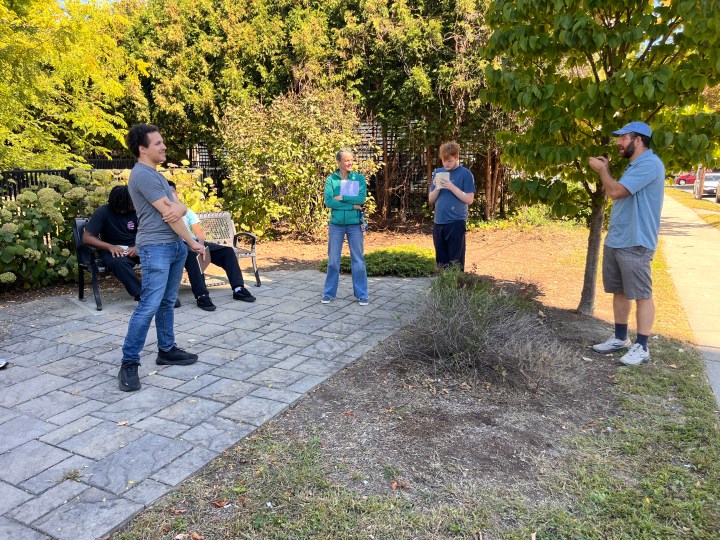
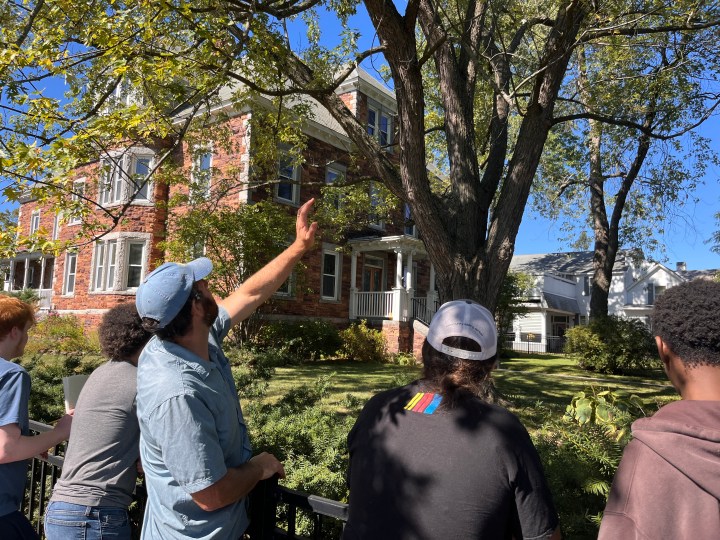
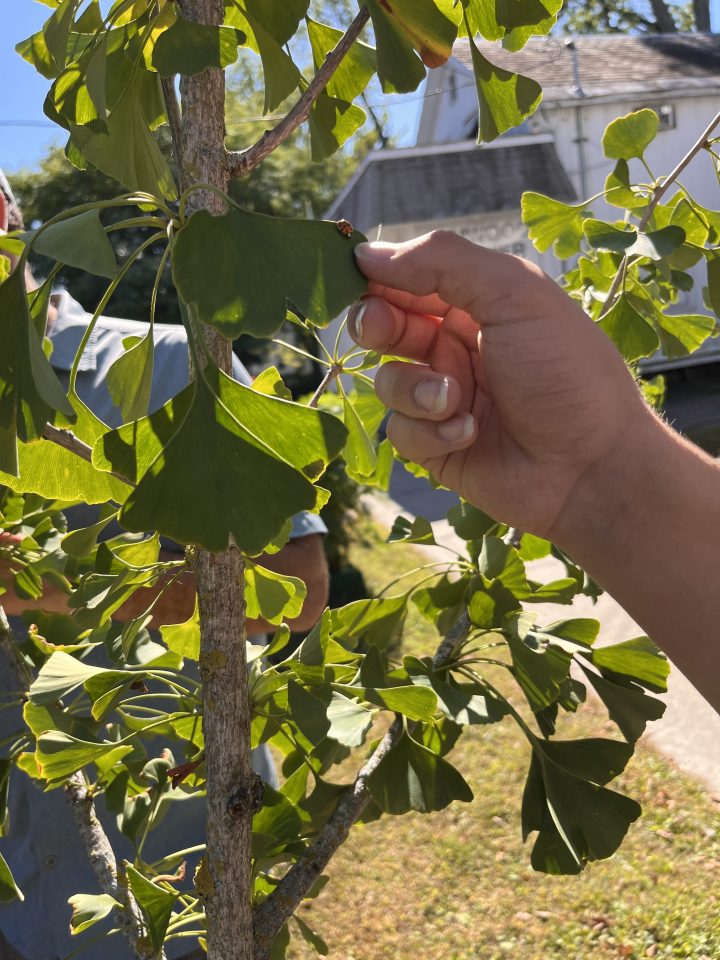
Going into our walk with Jacob Holzberg-Pill, I understood how trees can be an important part of a neighborhood and community. When I moved into my house on Catherine Street, there were three large trees in front of it. Now, those large, glorious trees have been replaced by three smaller ones. I find myself looking for the old trees on my way home even though I know they aren’t there anymore. They were a part of the lives of my friends and neighbors growing up. We used them as start and finish lines for races, cover in Nerf gun fights, and we even tied a swing to one and would see who could go the highest. The rope ended up breaking from repeated use. Seeing those trees get cut down felt like losing a part of my childhood.
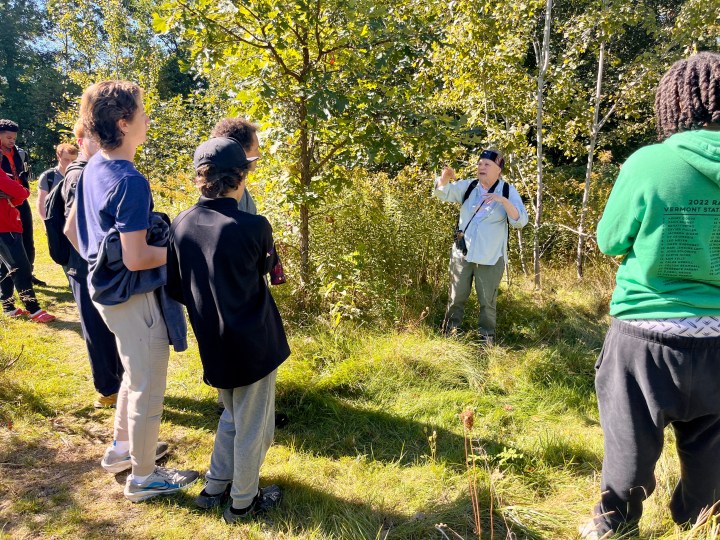
With Jacob, we learned how much thought goes into each new tree we plant – especially in the wake of the emerald ash borer, where Burlington lost an estimated 10% of its trees. Thought was put into not only what trees were planted, but where they were planted, what species they were, what trees were next to them, the preferences of the people who lived next to the trees, and more factors Jacob didn’t have time to mention. After seeing a glimpse into how robust our arborist system is, I wonder what it’s like in other cities? In places with radically different climates, what problems do they face? Is our city particularly good at planting trees? And should we be more worried about tree diseases?
- Ezra
It was interesting to walk outside with Jacob, who would help us identify trees and tell us how trees can help Burlington become a better city. Before this walk with Jacob I never thought about how trees affected animals, people, and the city itself. This experience connects to the Sustainable Development Goals directly. In an article on Science Direct, trees can help and improve many of these goals. Before this walk with Jacob I never thought about how trees affected animals, people, and the city, but now I realize how trees in Burlington can really help in many ways other than the city’s appearance. Some questions I have from this day are : How would Burlington be different if there were less trees in the city? What would happen in Burlington if there weren’t enough trees? These questions make me wonder how much trees affect the earth’s climate change, wildlife, and people’s everyday lives.
- Mach
In a resource from U.S. Forestry it says, “Tree canopies also benefit the health of the general public. Not only do they cut air conditioning bills and boost property values, but they also lower stress levels for nearby residents.” This stood out to me because I feel like when people think about trees, they don’t think about the benefits. Neither did I… During this project, we had an opportunity to meet with Jacob, who knows and studies a lot about trees. Before meeting with him, I knew that trees provided oxygen and shade, but I did not realize how many other ways they help the environment. Trees provide animals with food and shelter, prevent soil erosion, reduce pollution, and make communities cooler and more beautiful. Learning about these benefits helped me understand why forests and individual trees need to be protected.
- Arizona
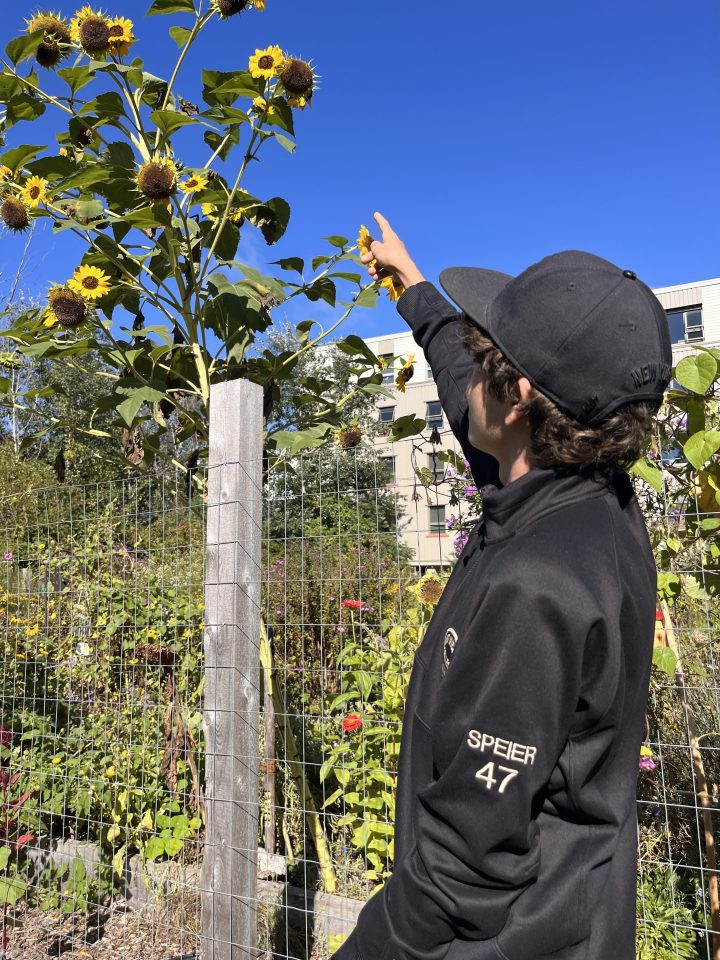
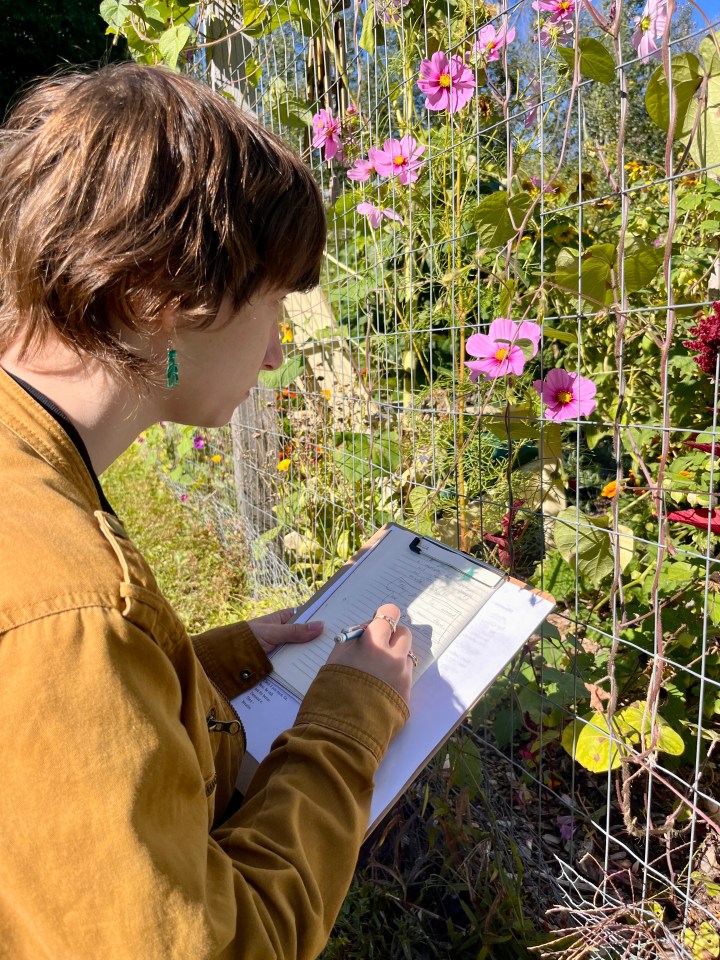
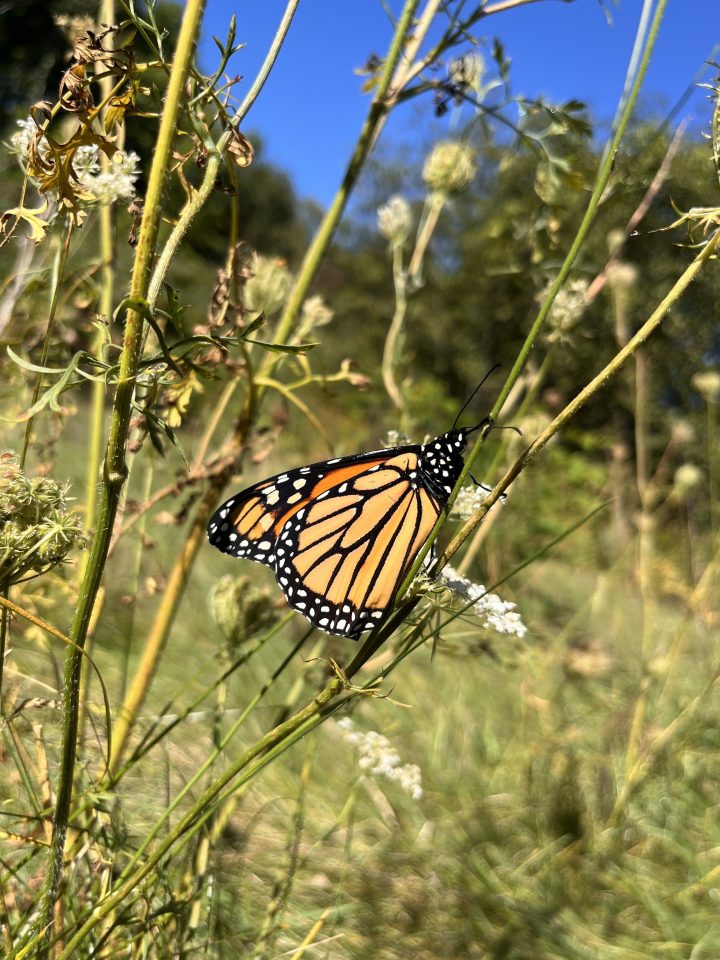
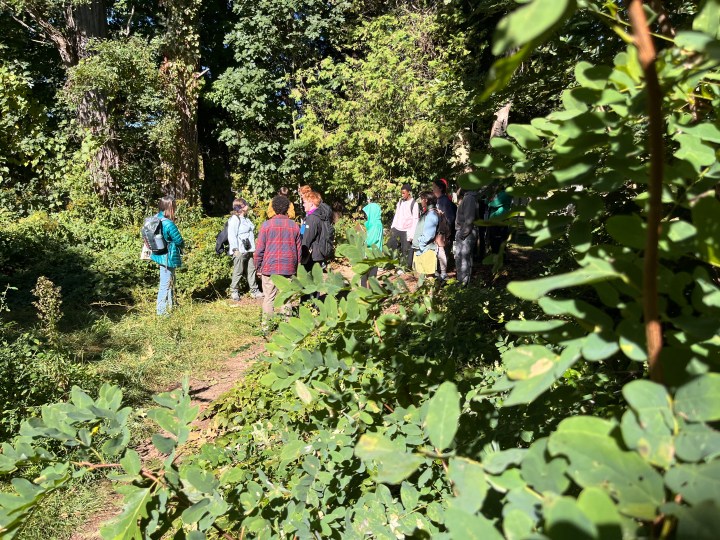
When we met Alicia Daniel at Kieslich Park, she explained how the path that was already there acted as an animal corridor. Alicia said many animals crossed North Ave coming from Kieslich park trying to reach the Intervale. This fact surprised me, since isn’t it dangerous to have animals crossing busy roadways? How could we protect these animals just trying to cross the road? Since I drive, I often see dead animals on the Beltline… So maybe we should make society aware of the animal corridor. By improving the animal corridor, by putting more signs, or creating more animal friendly crosswalks, we could reduce the amount of roadkill in and around the city. so the animals can reach their destination safely. I originally thought animals could sustain themselves, but humans have come into the world and made it difficult for them to continue to live how they used to. Now we must help sustain certain species populations so they won’t go extinct due to our actions.
- Leander
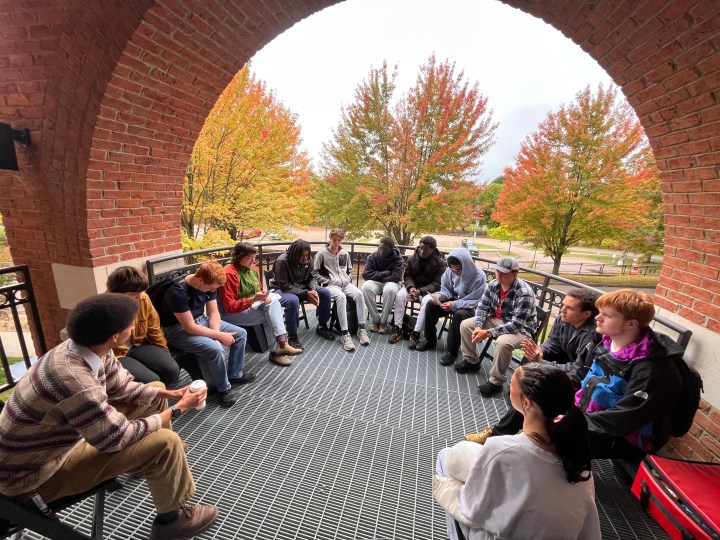
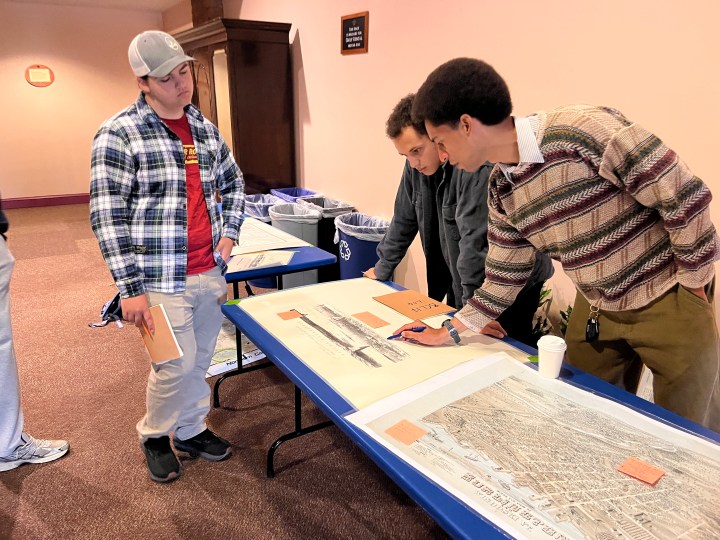
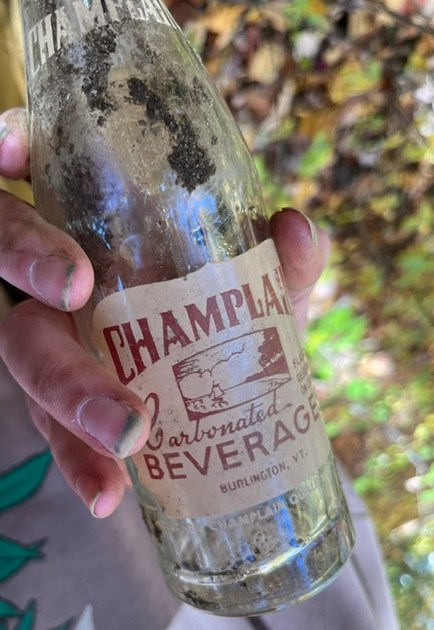
An interesting experience we had at BCL was when we were looking at the old waterfront maps and learning that the waterfront is man-made – which I think is crazy to have figured that out after being in Burlington all my life. This experience makes me think about how the space looked like before the Waterfront was built, and how they did it, because you would have to find some way to deal with water and animals that live in the water. A question I have from these experiences is how long did this take to build? How much did it cost for the waterfront to be built?
An article that helped me understand this more says, “After the Champlain Canal opened in 1823, Burlington was suddenly plugged into a vast trade network…The city expanded the shoreline using timber cribs filled with stone, essentially building land out into the lake to make room for lumberyards, warehouses, rail spurs, and wharves.”
This connects to my own life because I’ve done work like this and it really makes me think about how much time it would take, because they don’t have the same types of things we have now. When I look a little more into it I saw the type of equipment they used, and most of them used steam mechanicals, unlike now when we have hydraulics which make it easy to control and probably makes the work faster.
- Dereece
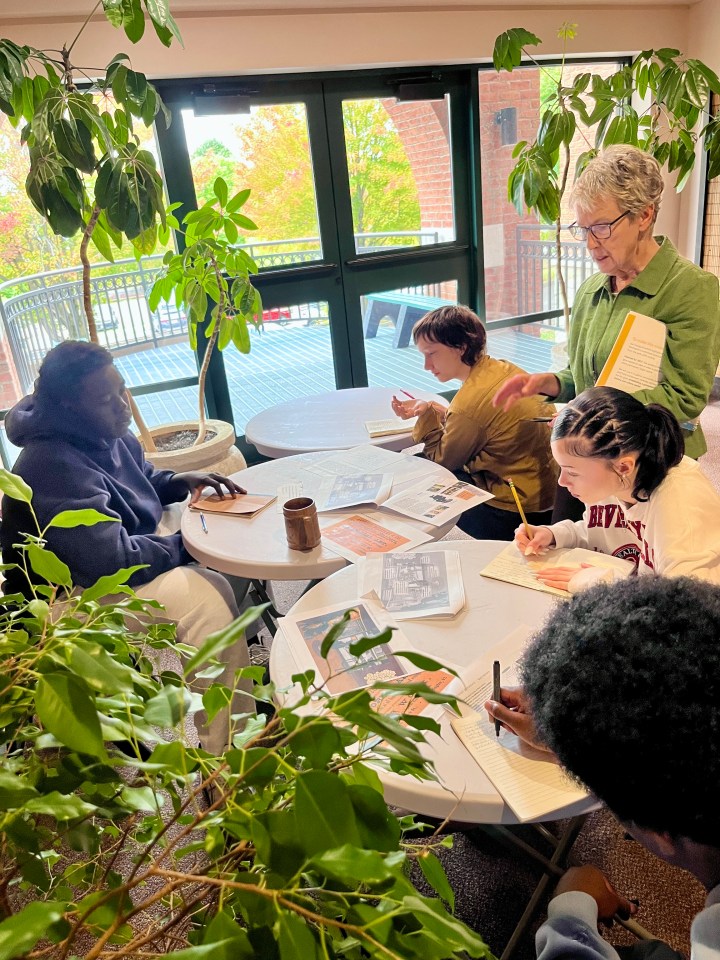
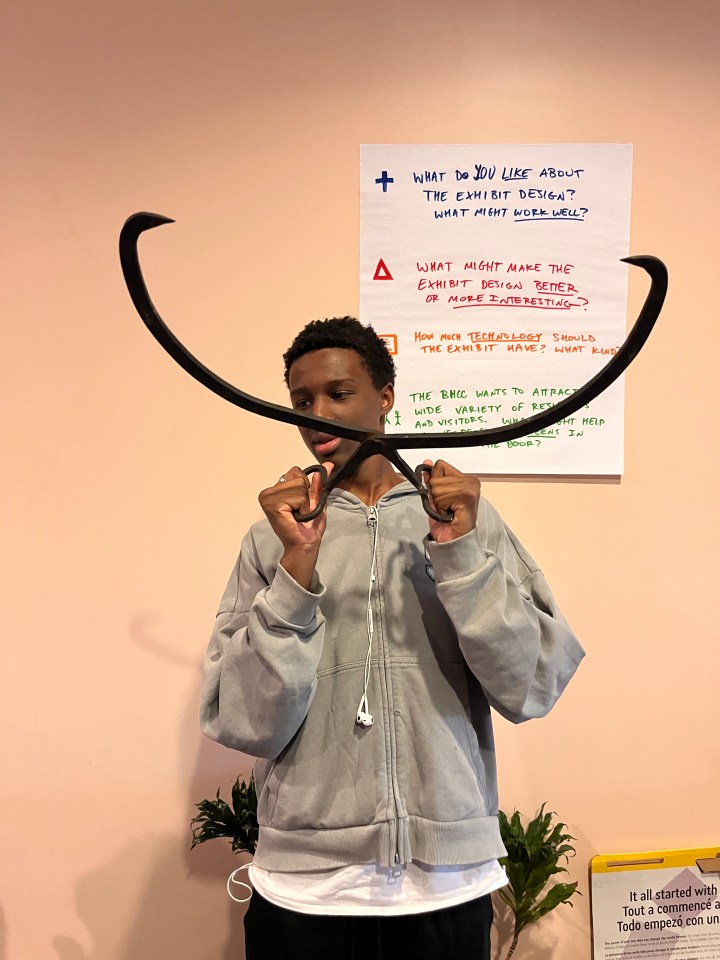
I want to say that history is extremely important. It’s important to understand what we did so we don’t do it again. What we can learn from it will help us improve from it, but also to respect it and give our due to the people who make a difference, who made the difference, and that is also why I think it’s extremely important that the Burlington History and Culture Center, this place that wants to show us what our history is, be a place where all ages can interact and understand history, especially in a time when history is fragile, what’s constantly being changed from what it actually was. The center… they want it to be a place where you can feel that you’re connected to what you’re learning, getting to be able to hear, touch, and smell the things that were happening in our history. “They want to highlight the Indigenous people, immigrants, and laborers who built the Queen City with their own hands.”
- Anu
The Burlington waterfront’s industrial history began in 1772. “In Ira’s own words,” on a UVM site, his goal was “to look for the best place for trade, at or near Lake Champlain.” The very first buildings popped up on Water Street, or as it’s known today Battery Street, and by the 1800s Burlington was known for lumber. You can see the history of Burlington on the waterfront itself and by looking at old maps. Just by looking at the Waterfront you can see it is not natural. The edges are very straight and not very curvy, and on maps you can see that the original lake covered almost all over the entirety of the current waterfront.
Knowing the history of the Lake and Vermont to me is important to me because I love learning the history of the place that I live. I love seeing what has changed and what remains the same, which is not much. It’s super interesting to learn about.
- Gavin